The Great Lunch Packing Challenge: A Montessori Family Activity
October 5, 2026

At Bozeman Montessori, we frequently explore ways to share ideas for integrating Montessori learning at home. With this in mind, we'd like to present you with a family challenge! You can think of this challenge as a home activity. Even though we don’t assign traditional homework in Montessori, we love to collaborate with families to help children develop their skills, independence, and confidence!


Children in Montessori settings do a lot of food preparation. Food prep is a major component of their Practical Life experience at school and a foundational step toward becoming functionally independent in the world.


Our challenge is this: Rather than taking on the sole responsibility of preparing lunches for our children, let's make a commitment to move toward helping our children become their own lunch packers!


Seems Daunting?


Maybe you already have a quick and easy routine for packing lunches, or maybe it feels like a daily chore.

Regardless, preparing food is a necessary part of daily life, and many of us try to fine-tune lunch packing to make it as efficient as possible. The thought of including young children in that process may at first feel overwhelming.


We recognize this shift can feel uncomfortable, but bear with us! Helping children learn how to pack their own lunches not only teaches essential life skills, but it also directly supports their Montessori experience in a significant way.


Plus, there is a practical side benefit: children frequently open their lunchboxes at school and complain about items they don't want to eat. When children participate in the process, they gain ownership and accountability for what they bring. If it's food they helped choose, prepare, or pack, they know what they have and are much more likely to enjoy it!


Here is a breakdown of the steps to support your child as they learn how to prepare food, pack lunch, or simply place items into their lunch container. Keep in mind that this family challenge can start as early as the toddler years!


1. Shop Together


A wonderful way to enlist children’s involvement is by including them in the shopping experience. Young children can select specific food options off the shelf and place them in the cart. Older children can help write the grocery list, calculate costs, or keep track of items in the store. Even a small amount of involvement gives children a healthy sense of ownership and agency.


2. Choice Within Limits


To maintain a balance between wants and needs, weave in simple conversations about balancing different food groups and selecting healthy options. Some families have success by collaboratively creating a visual list of choices within each food group (e.g., grains, vegetables, fruit, dairy, and protein). A simple visual guide helps even the youngest children see what choices are available when planning meals.


3. Accessibility in the Kitchen


After returning from the store, children can help put away the items they will use for their lunches. Accessibility is key to independence. Having a designated, low shelf or drawer for lunch containers and non-perishable foods works remarkably well. If possible, clear an easy-to-reach spot in the refrigerator for perishable items.


Clear storage containers allow children to easily see their choices:


  • After buying grapes, children can help wash them, pluck them from stems, and place them in an accessible container in the fridge.
  • Carrots can be washed, sliced, and stored in a transparent container of water.
  • Crackers or dry snacks can be transferred into clear containers on a low cabinet shelf.


4. Easy to Make & Easy to Eat


Young children thrive with small portions and variety. When preparing food, look for ways your child can safely assist:


  • Cutting a sandwich into mini-squares
  • Peeling and sectioning a clementine
  • Slicing cucumbers with a child-safe cutter
  • Spreading cream cheese or nut butter on a cracker


Older children can learn to assemble their own wraps, sandwiches, or pack leftovers into thermos containers.

When children are involved in food preparation, spills will happen! It is helpful to allow extra time and space for mess. We can show children how to gently clean up after themselves, while remembering that young children will still need our friendly collaboration. When we work together, we offer them the bridge to eventually "do it by myself."


5. Plan Ahead & Build Routines


To avoid rushed mornings, establish a predictable routine ahead of time:


  • Weekly Menus: Map out a quick lunch menu together over the weekend and post it at eye level in the kitchen.
  • Batch Prep: Prepare ingredients on the weekend so items are ready for your child to assemble into their lunchbox each day.
  • Evening Prep: Establish an after-school routine where your child empties and washes their containers, then packs their lunch for the next day before bedtime. The packed lunch container can sit in the fridge overnight, ready to grab and go.


Your children are far more capable than it may seem! While establishing new routines takes patience, you are helping your child build true independence and reinforcing their practical life learning.


If you would like to see how food preparation and practical life lessons are integrated into our Montessori classrooms, schedule a visit with us! We would love to support your family's Montessori journey.
Two children wearing helmets ride balance bikes on a sunny neighborhood street.
September 28, 2026
Discover how Bozeman Montessori’s prepared environments honor Maria Montessori’s universal Human Tendencies to foster independence, self-construction, and lifelong growth.
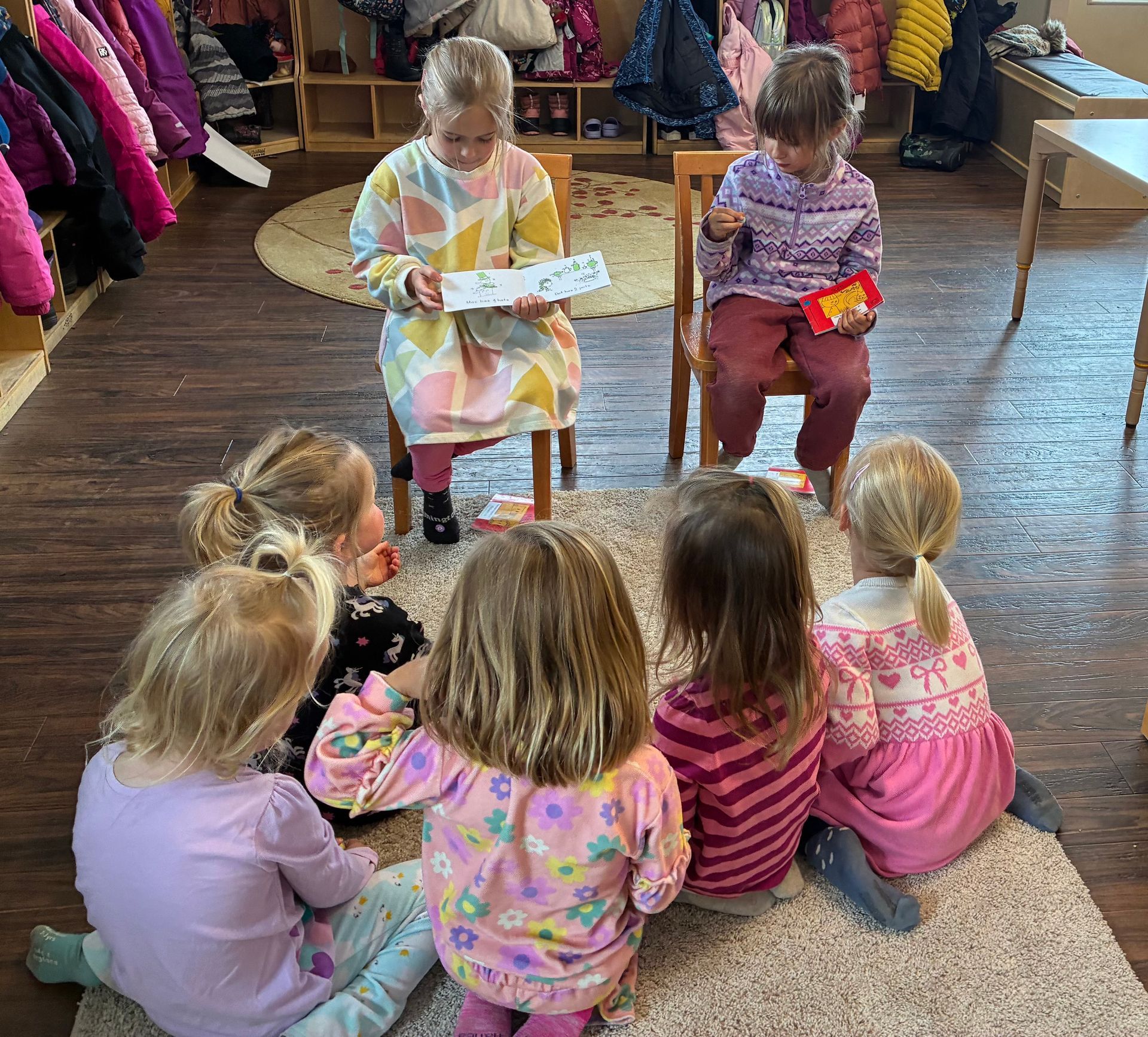
Children sitting on a rug listen to a child reading a book in a classroom.
September 21, 2026
Discover how Dr. Maria Montessori’s universal Human Tendencies guide natural learning, self-construction, and growth in our prepared environments.
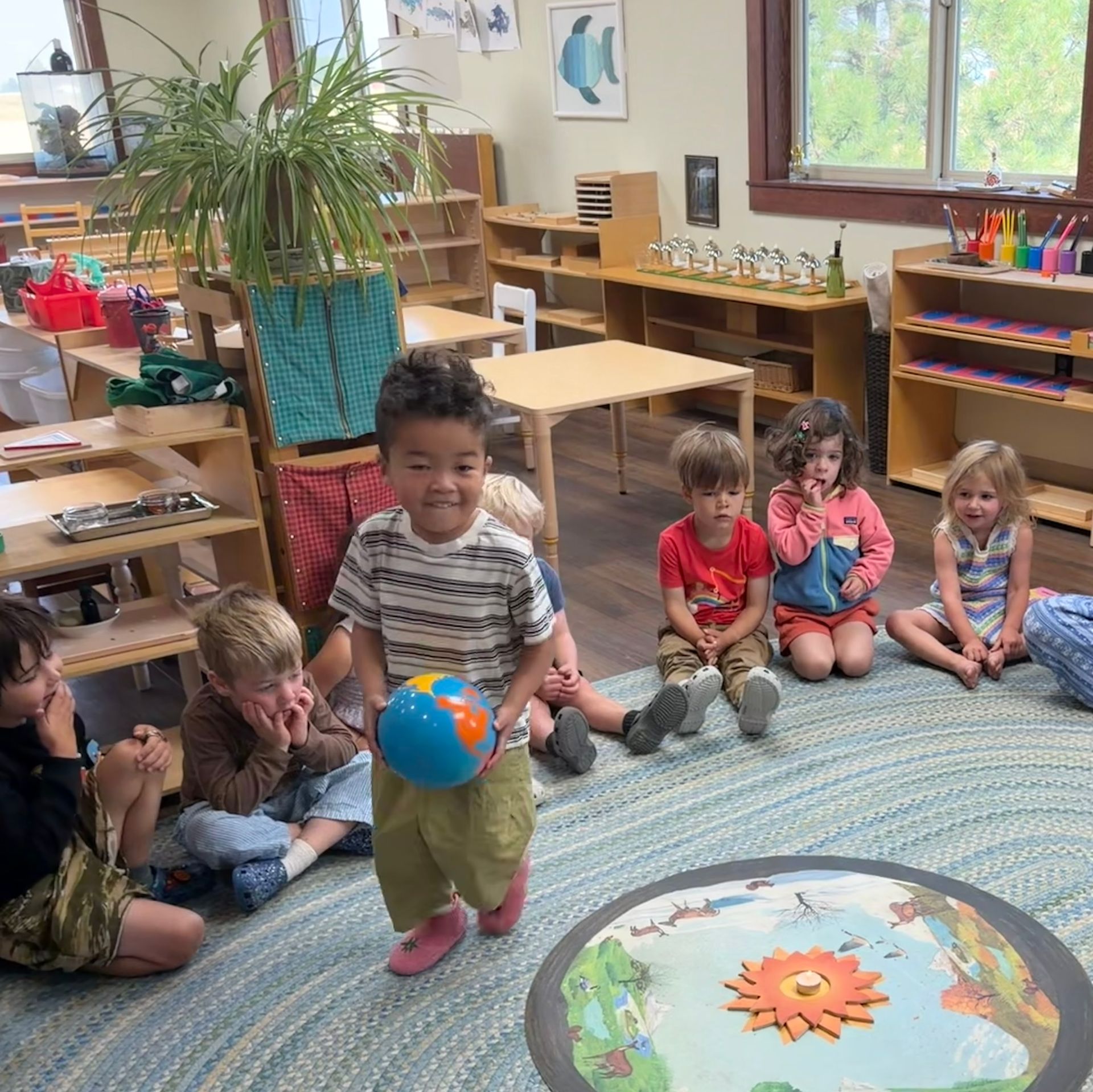
Children sitting and playing in a colorful classroom, one holding a globe.
September 14, 2026
Discover how young children effortlessly absorb language, culture, and life skills from birth to age six through Dr. Maria Montessori's concept of the absorbent mind.
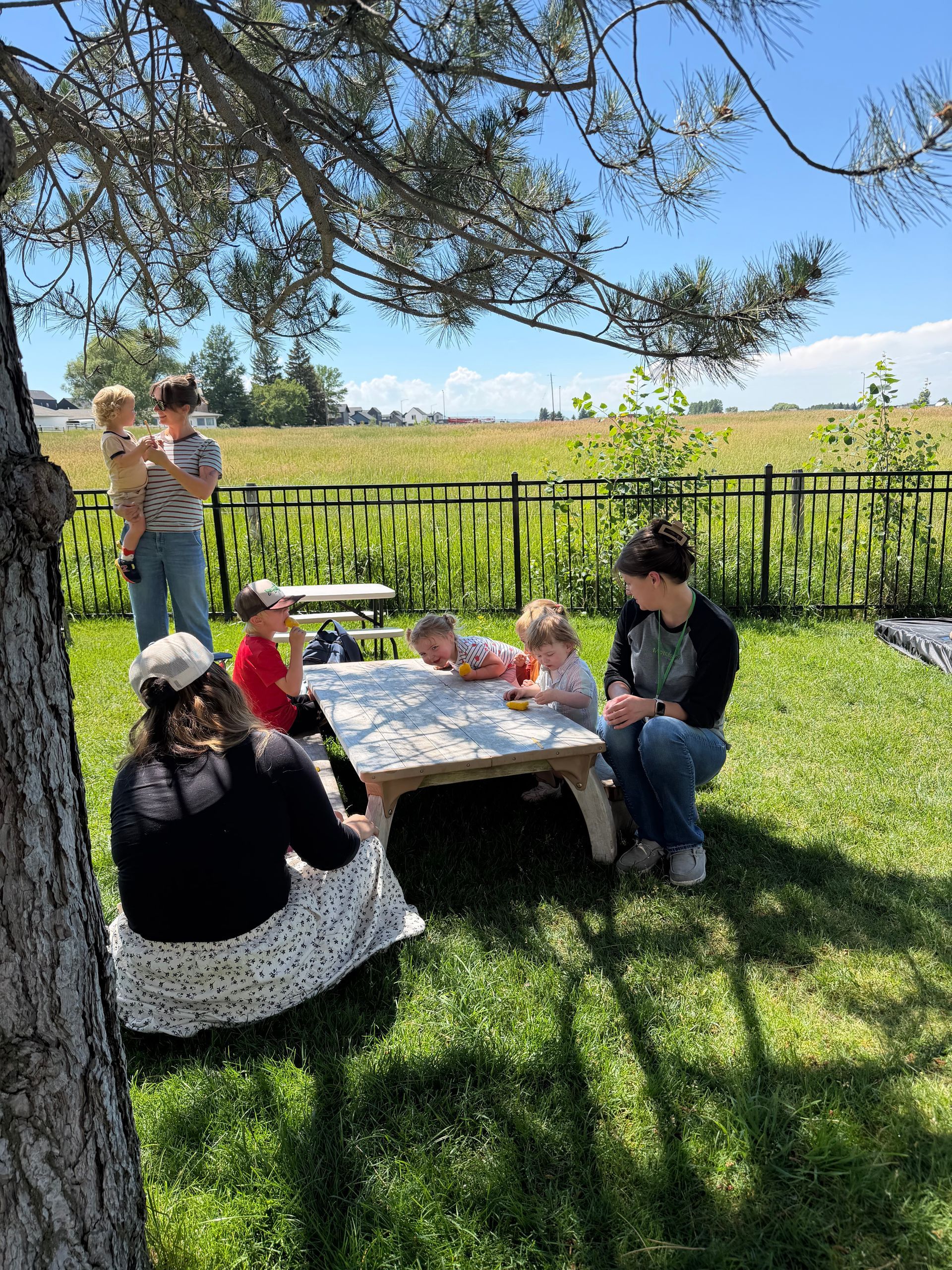
People sitting at a picnic table, with a field and fence in the background.
September 7, 2026
Discover how Bozeman Montessori’s prepared outdoor environments foster independence, sensory learning, and community through purposeful Practical Life activities.
August 28, 2026
We’d be thrilled to have you join us for an exclusive look around our campus!
Teacher helping children at a table with a board game in a classroom
July 30, 2026
Come see the Montessori environment in action! Now enrolling for the 2026-2027 school year.
montessori children with guide in tea lesson
June 26, 2026
We’re opening our doors for a special campus tour and we'd love for you to join us!
Three young children sitting on a couch, smiling in a bright indoor room.
June 15, 2026
Connect the Montessori classroom to nature. Discover how exploring Montana’s rivers helps young children develop spatial awareness and environmental respect.
Two children kneel on a classroom rug behind a colorful block maze on the floor.
June 1, 2026
In the Montessori tradition, we talk a lot about "following the child." Sometimes people mistake this for letting a child do whatever they want. But as those of us who have been in the trenches know, following the child actually means observing them through developmental periods so thoughtfully that we understand what they need before they even have the words for it. When it comes to mental health, this observation is our greatest tool, as it helps us prepare. Mental health in childhood includes resilience, the security of belonging, and the development of an "inner voice" that tells a child they are capable, eventually serving as their source of internal guidance. Supporting this development requires us adults to shift from being managers of their behavior to loving guardians of their emotional environment. The Foundation: Safety and Routine For children in the first plane of development (birth to age 6), the groundwork for mental health is laid through warm, secure relationships. In Montessori terms, this is the "prepared environment” of connection. We often say that children need consistency like they need air. We provide stability through routine—not a rigid schedule, but a predictable rhythm. When a child knows what comes next, their nervous system relaxes. Simple acts like involving them in everyday moments—letting them slice a banana or fold washcloths—give them a sense of agency. A child who contributes to the world around them is a child who feels capable and valued. This sense of "I can do it" is important, and sometimes we just have to get out of the way. The Elementary Years: The Why and the Who As children move into the second plane of development (ages 6–12), their mental health needs shift toward social belonging and moral understanding. This is the age of "Why?" and "That’s not fair!" At this stage, adults can check in on their feelings through everyday events. Did they get into a fight with their friend? Don’t rush to fix the sadness. Instead, sit with them in it. We can support their mental health by giving them the tools to solve their own social problems. Ask, "What do you think would help you feel better?" rather than handing them the solution. This builds the self-efficacy that helps buffer against anxiety and depression later in life. Learning the Hard Way Mental health isn't about avoiding the scary or hard things that come with growing up; it's about making sure your child never has to face them alone. It’s about cuddles, and hugs, and playing with your kids. It’s about recognizing that a tantrum isn't an attack on your parenting—it’s a child whose inner "prepared environment" has temporarily collapsed, and they need you to help them rebuild it. The Parent’s Work (The Inner Preparation) In Montessori, the "prepared adult" must do their own inner work to best be able to guide a child. Parenting can feel messy, and it rarely looks like the peaceful, perfectly-balanced life we might have imagined. Here is how to keep your own foundation solid: Honoring the "Gap": Make peace with the fact that your reality may not match your expectations. There will be days when you are not the “calm, cool and collected“ model you want to be. Forgive yourself. Your children don’t need a perfect parent; they need a regulated one who can apologize when they mess up and move forward. Mindful Co-Parenting: Whether you live in the same house or two, communication between co-parents must be clear and boundary-honoring. Children are emotional barometers; they feel the pressure of unspoken conflict. Aim for "functional transparency"—share the necessary information about the child’s needs without using the child as a messenger. Self-Care is Not a Luxury: You cannot pour from an empty vessel. In the Montessori classroom, a tired, burnt-out adult is not the example we want to set, nor is it an effective one. Taking ten minutes for a quiet tea or a solo walk isn't "ignoring" your kids; it’s calibrating your instrument so you can be the calm center they need. Boundaries as Love: Setting a boundary for yourself ("I need 5 minutes of quiet before I can help with that") teaches your child that you are a human with needs. This honors your humanity and models for them how to protect their own mental health in the future.
Show More