Cultivating Community: Grace and Courtesy at Bozeman Montessori
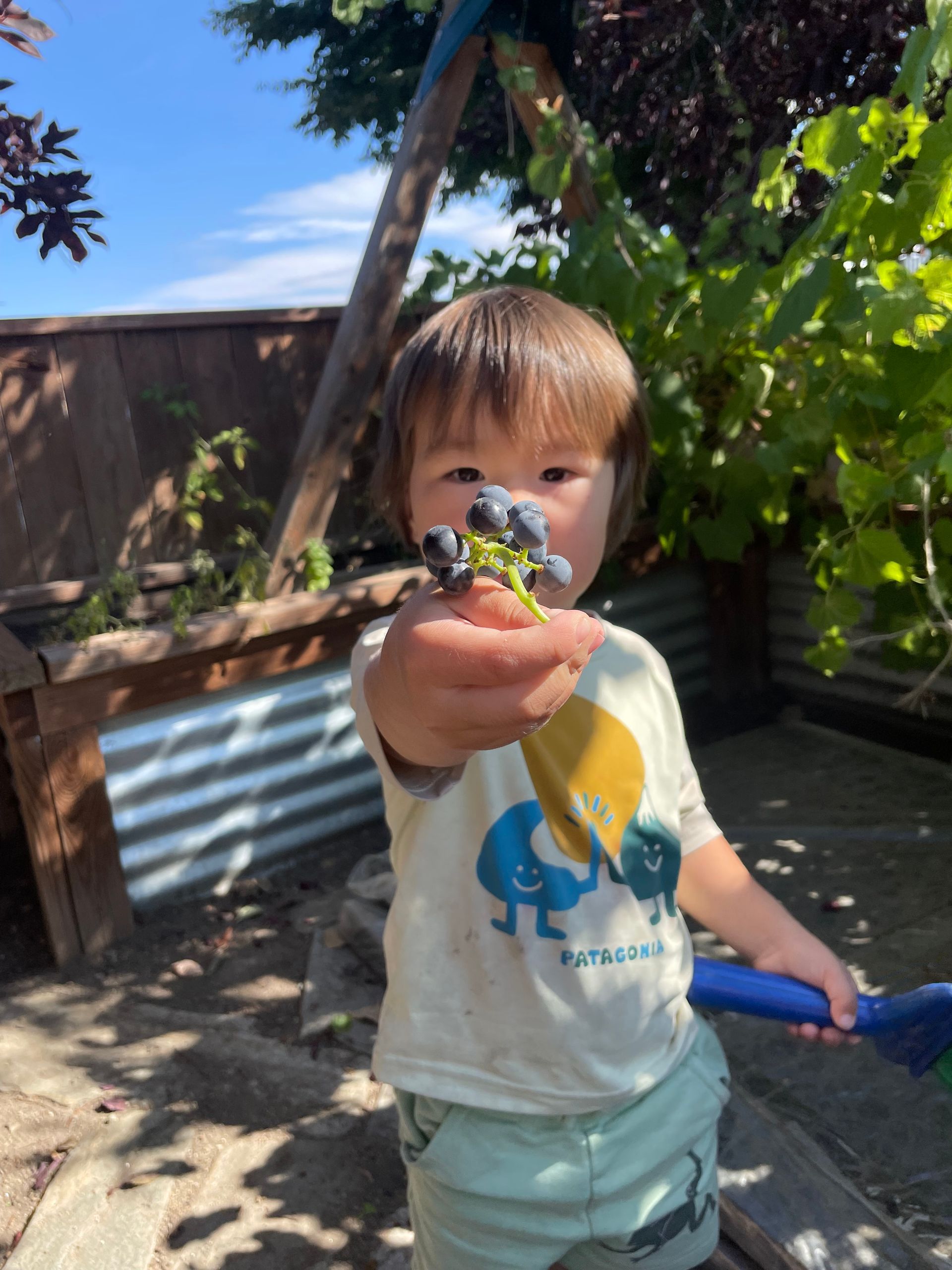
Have you ever watched your child do something a little unconventional or unexpected and wondered, Why did they do that?
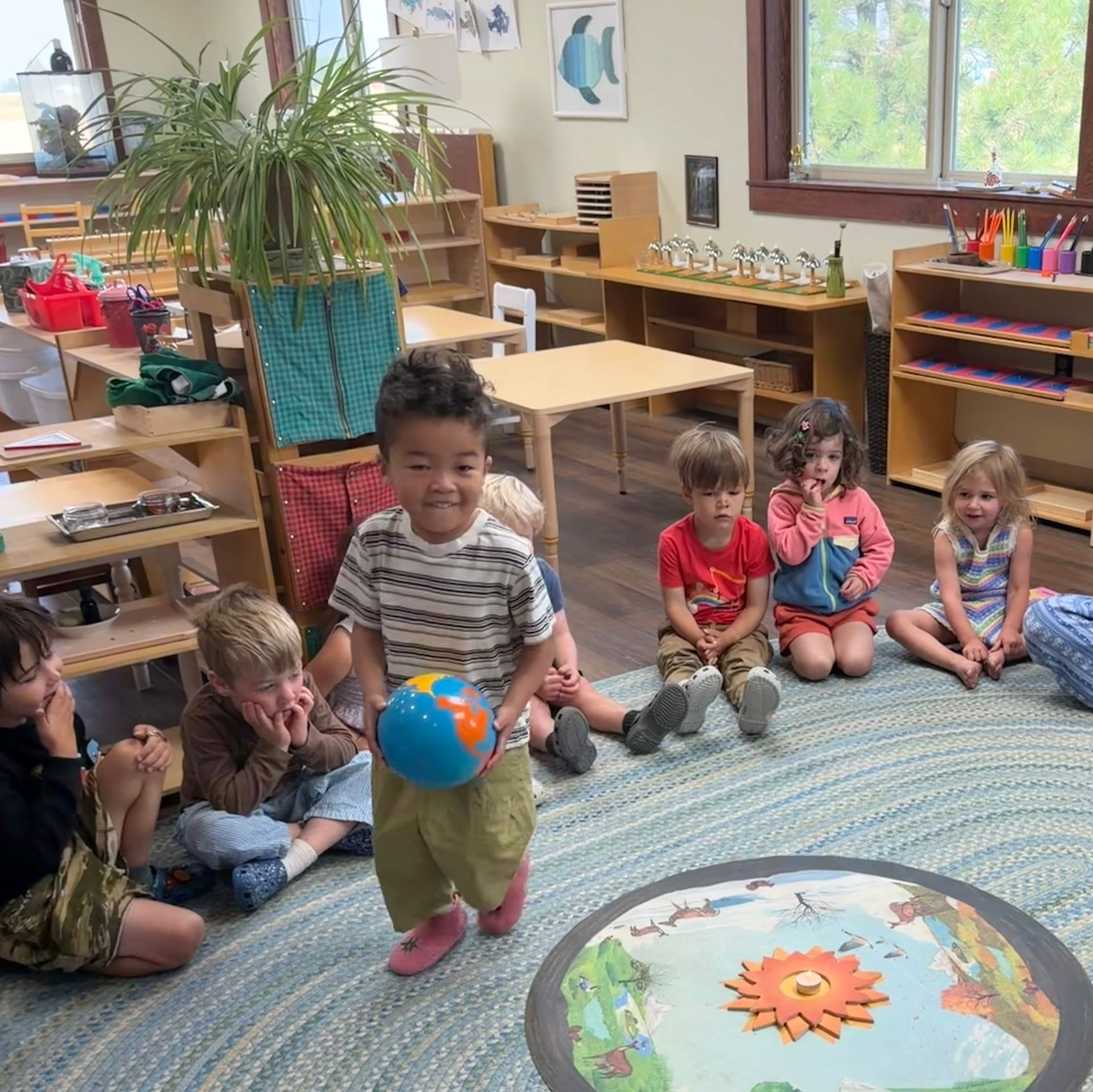
Often, the answer is simple: they simply haven't been shown another way yet. In our Primary classrooms (ages 3–6), we don't expect children to automatically know the nuances of social harmony. Instead, we explicitly teach our students how to be respectful, empathetic, and responsible members of our community. We do this through intentional Montessori lessons known as Grace and Courtesy.
What Are Grace and Courtesy Lessons?
Grace and courtesy are two foundational values we nurture every day in the prepared environment:
- Grace reflects a child’s internal equilibrium—feeling comfortable, self-directed, and harmonious in their own body and space.
- Courtesy reflects an outward awareness—demonstrating genuine respect and consideration for others.
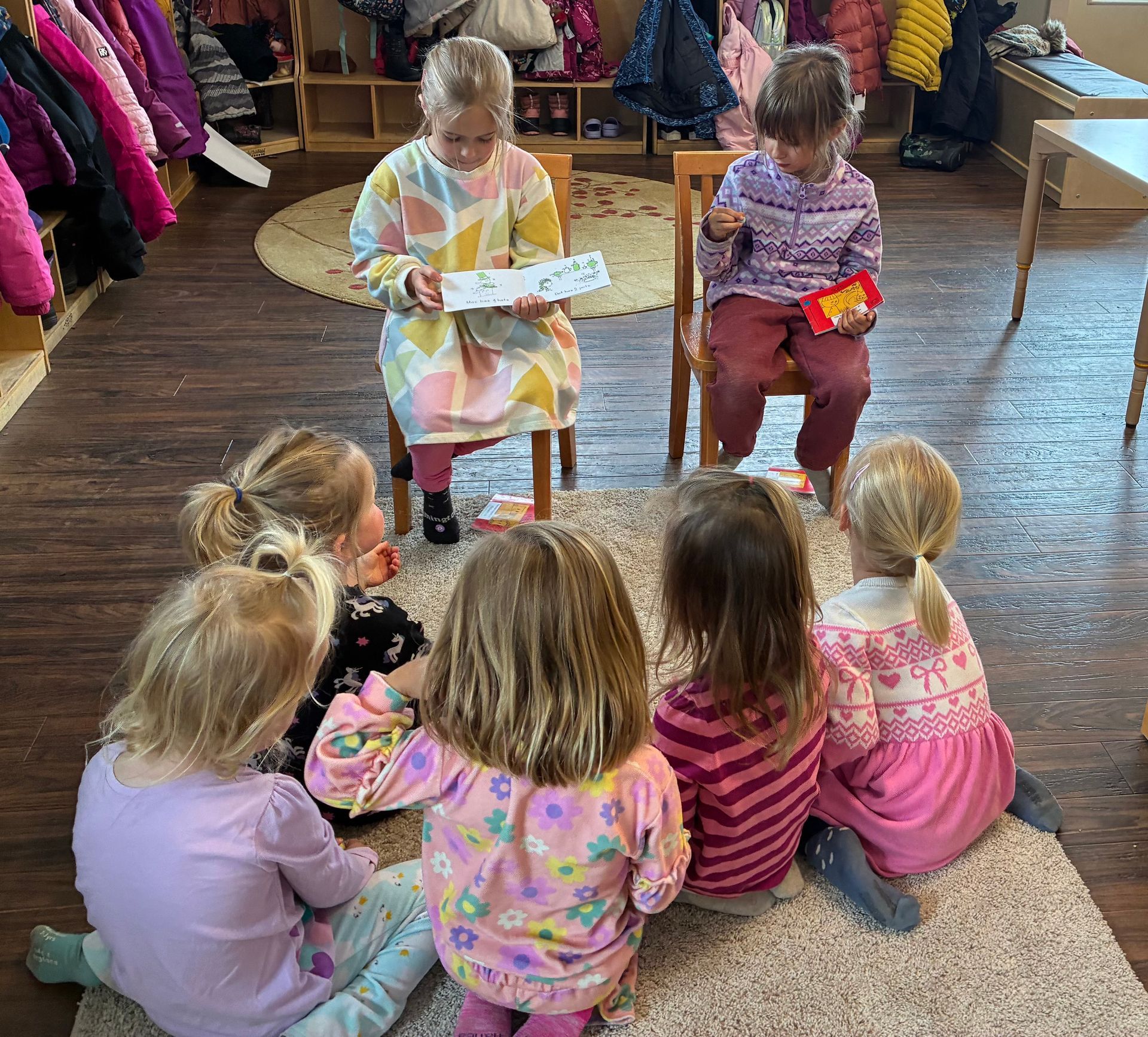
We introduce Grace and Courtesy lessons as soon as a child enters our Primary community. One of the most beautiful aspects of our mixed-age classrooms is how older children step up to assist. Having already internalized these lessons, older students act as role models and mentors.
During a typical lesson, older children will act out a scenario a younger child might face—such as waiting for a classroom material to become available, observing a peer at work without interrupting, or politely asking for help. The initial dramatization usually shows the "incorrect" behavior. The children always enjoy the lighthearted humor of seeing their peers act out of character! Then, the actors demonstrate the graceful, courteous approach, giving younger students the opportunity to practice in a supportive setting.
Proactive Guidance and Respectful Timing
An essential principle of Montessori Grace and Courtesy is that we offer lessons before a behavior occurs whenever possible. These lessons set clear ground rules and offer a visual guide for navigating community life.
If we observe a behavior that needs guidance, we refrain from correcting the child in the heat of the moment. Instead, we wait for a neutral moment—such as a quiet one-on-one time later in the day—to give a Grace and Courtesy lesson. This ensures we never single out, embarrass, or shame a child for a natural learning mistake. (The only exception, of course, is if a child is in immediate physical danger, in which case we step in gently and swiftly to ensure safety.)
Grace and Courtesy in Action
Here are a few examples of Grace and Courtesy lessons we present in our Primary classrooms:
- How to introduce yourself to a new guest
- How to greet a friend upon entering the room
- How to use a tissue and blow your nose independently
- How to resolve a conflict using peaceful words
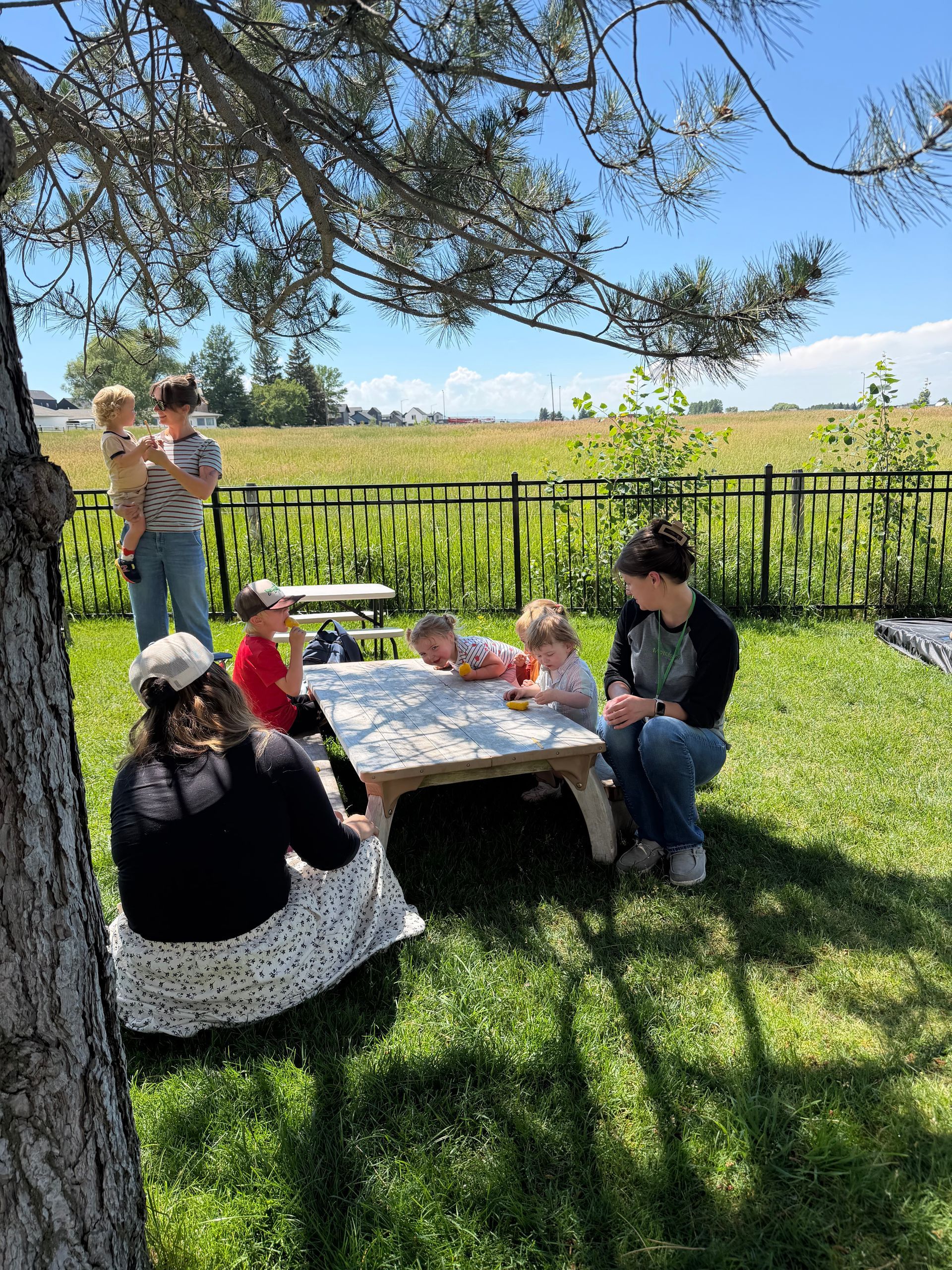
- How to wait patiently when a work or snack table is full
Bringing Grace and Courtesy Home
You can easily adapt these principles within your family’s home routine. Modeling and practicing simple scenarios during calm moments gives children the tools they need to navigate home life with confidence:
- How to Play Independently: Demonstrating how to select an activity, focus, and clean up when finished.
- How to Respond to a Sibling: Role-playing how to express feelings calmly when a brother or sister says something inconsiderate.
- How to Ask for Help: Practicing clear, polite language when a task feels overwhelming.
- How to Prepare Meals Together: Practicing setting the dinner table, folding cloth napkins, or passing dishes family-style.
Grace and courtesy sit at the absolute heart of our school culture. When children are given the exact tools to navigate social interactions gracefully, they gain a deep sense of confidence, agency, and belonging.
If you would like to witness our peaceful classroom communities in action, we invite you to
schedule a tour to learn more about our Primary programs.