Following the Child: The Art of Observation, Environment, and Trust at Bozeman Montessori
“When a child is given a little leeway, he will at once shout, ’I want to do it!’ But in our schools, which have an environment adapted to children’s needs, they say, ‘Help me to do it alone.’”
— Dr. Maria Montessori, The Secret of Childhood
In Montessori education, you will frequently hear the guiding phrase: “Follow the child.”
At Bozeman Montessori, this principle drives our daily practice in deeply intentional ways. We believe that children possess an innate, inner drive to learn, build, and master their surroundings. Our role as guides and parents is to carefully prepare the path—and then respectfully step out of the way.
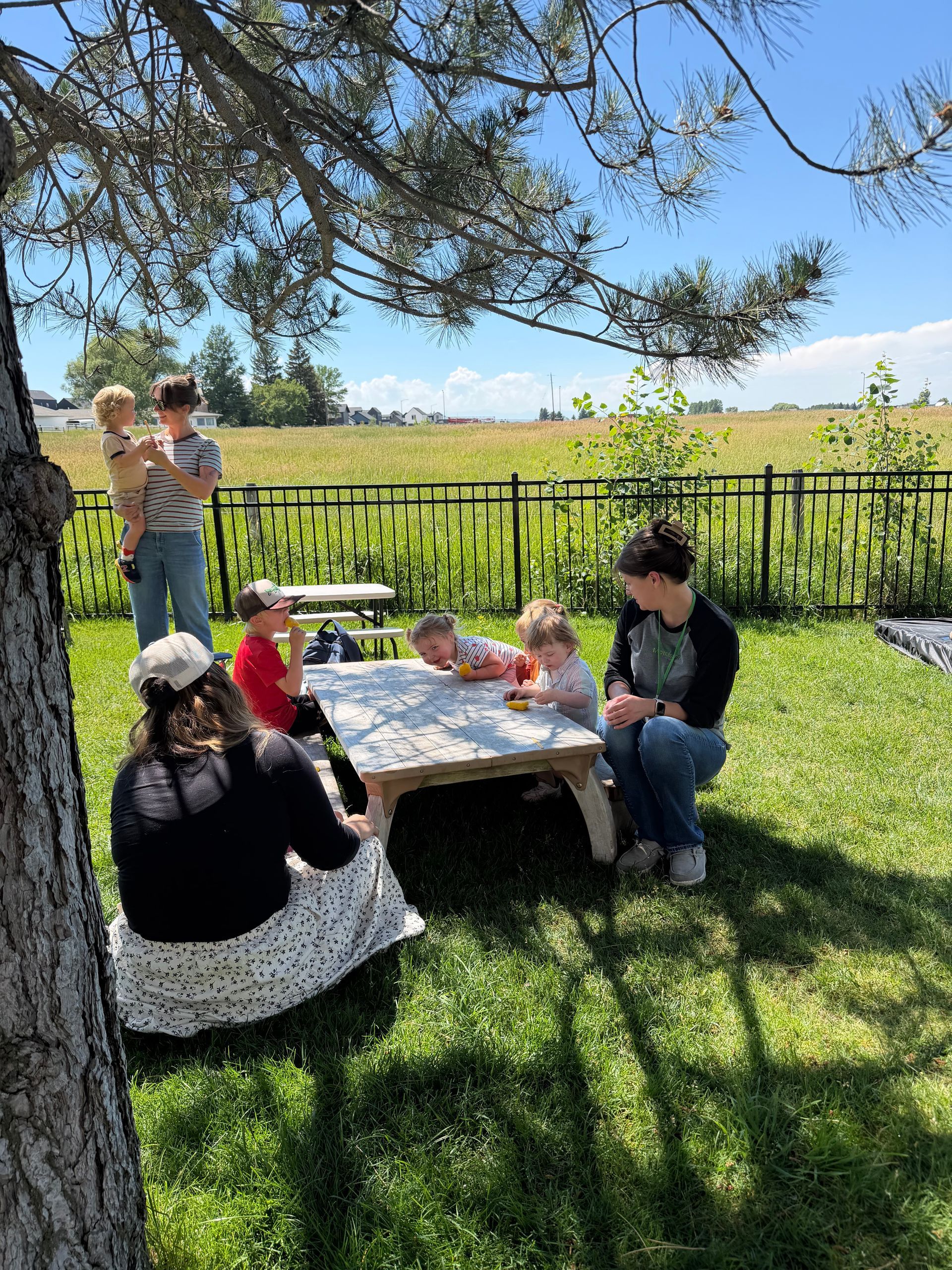
"Following the child" applies to every environment a young child inhabits—whether in our Primary classrooms, on a walk, or at home. Here is how we apply Dr. Montessori’s timeless wisdom in our daily routines, and how you can bring these principles into your family life.
1. Pause and Resist the Urge to Interrupt
“Praise, help, or even a look, may be enough to interrupt him, or destroy the activity…. The great principle which brings success to the teacher is this: as soon as concentration has begun, act as if the child does not exist.”
— Dr. Maria Montessori, The Absorbent Mind
As adults, we often feel duty-bound to engage continuously—to give verbal direction, dispense knowledge, or offer instant feedback. This usually stems from our own schooling, but it is not always what a concentrating child needs.
The most powerful gift we can offer a child is a deliberate pause. When you see your child at work or play, pause and observe:
- Are they deeply focused?
- Are they engaged and satisfied with what they are doing?
If the answer is yes, refrain from stepping in. A concentrating child is not seeking external approval. Even if they are using a material in an unexpected way—so long as they are safe and treating the environment with care—they are extracting value from the experience.
When they finish, they don't necessarily need empty praise ("Great job!"). Instead, acknowledge their effort neutrally: “I noticed you were working on that puzzle for a long time. How did it feel to finish it?”
2. Trust the Child’s Internal Drive
“The child looks for his independence first, not because he does not desire to be dependent on the adult. But because he has in himself some fire, some urge, to do certain things and not other things.”
— Dr. Maria Montessori, The Theosophist
Children do not inherently work for external rewards, stickers, or gold stars; they work for the sheer joy of mastery and growth.
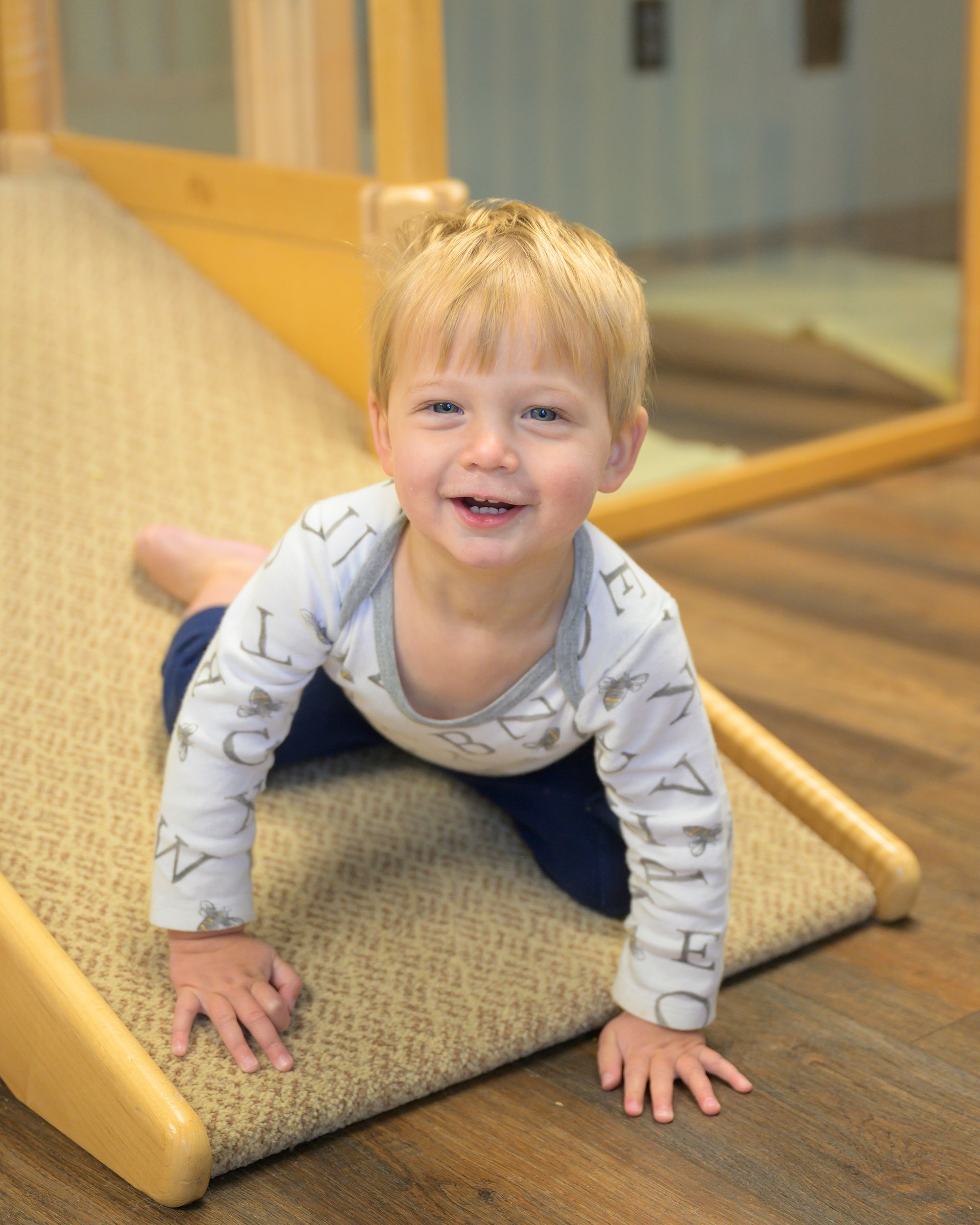
When young children express an urge to participate in real life—like wanting to sweep the floor, pour their own milk, or wipe a spill—slow down and give them space to try. In a busy home, it takes extra patience to let a toddler scrub a table or button their own coat. However, honoring these small moments satisfies their developmental drive for independence and builds intrinsic confidence.
3. Acknowledge the Value of the Prepared Environment
“Children acquire knowledge through experience in the environment.”
— Dr. Maria Montessori, 1946 London Lectures
“Now the adult himself is part of the child's environment; the adult must adjust himself to the child's needs if he is not to be a hindrance to him…”
— Dr. Maria Montessori, The Secret of Childhood
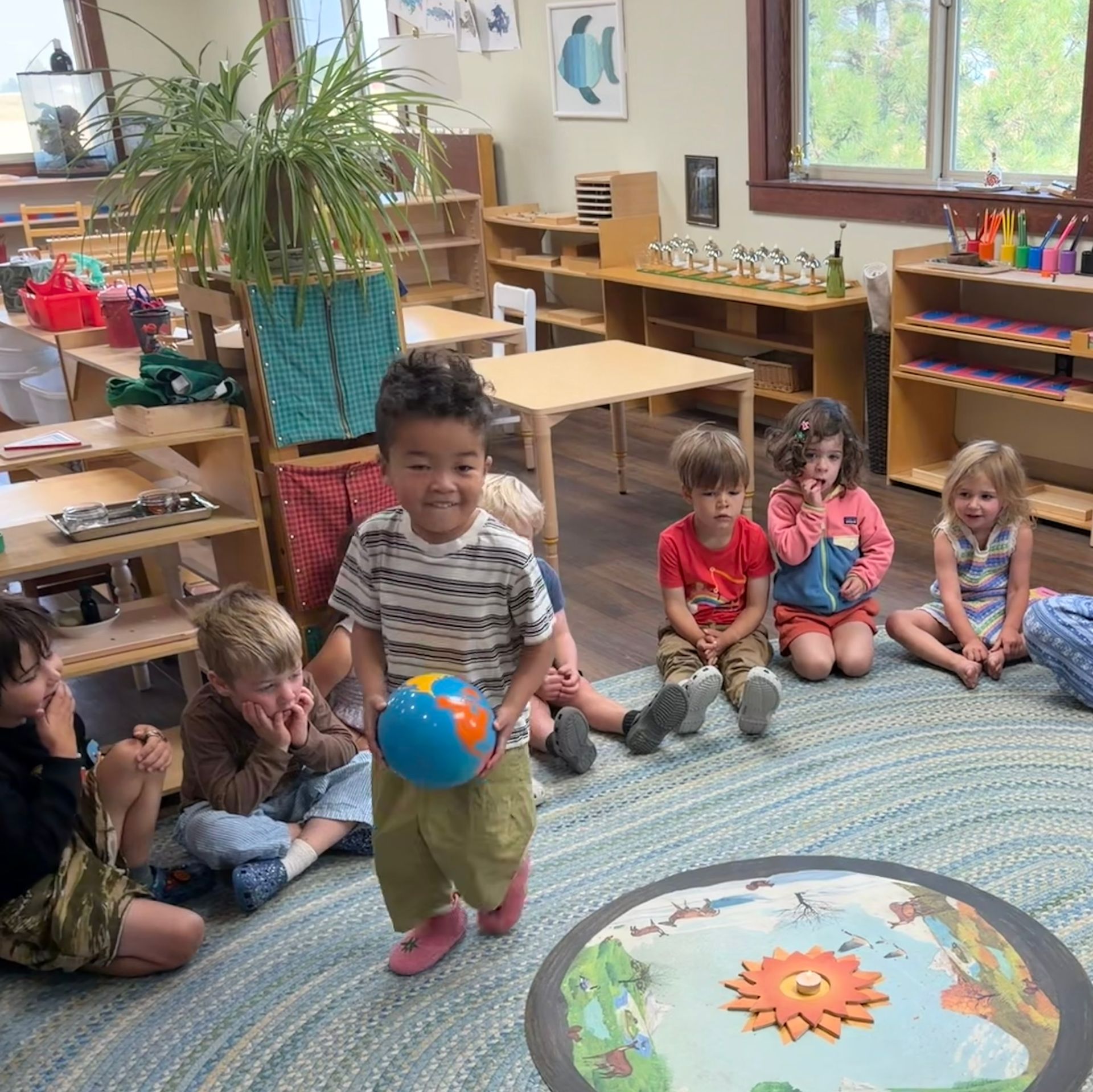
The environment is often referred to as the child’s "third teacher." In our classrooms, Montessori guides regularly observe how children interact with the space. If a material is consistently ignored, we rotate it. If children need more movement, we adapt the floor space.
You can apply this same observational lens at home:
- Remove physical barriers: Place a sturdy step stool in the kitchen so your child can access the sink or prepare a simple snack.
- Promote order: Install low coat hooks by the front door and low shelves for toys so cleanup is accessible to them.
- Adapt to real needs: If your child is constantly jumping on the living room sofa, create an appropriate physical outlet—like a floor cushion landing zone or an outdoor movement session.
4. Observe Without Judgment
“The teacher, when she begins work in our schools, must have a kind of faith that the child will reveal himself through work.”
— Dr. Maria Montessori, The Absorbent Mind
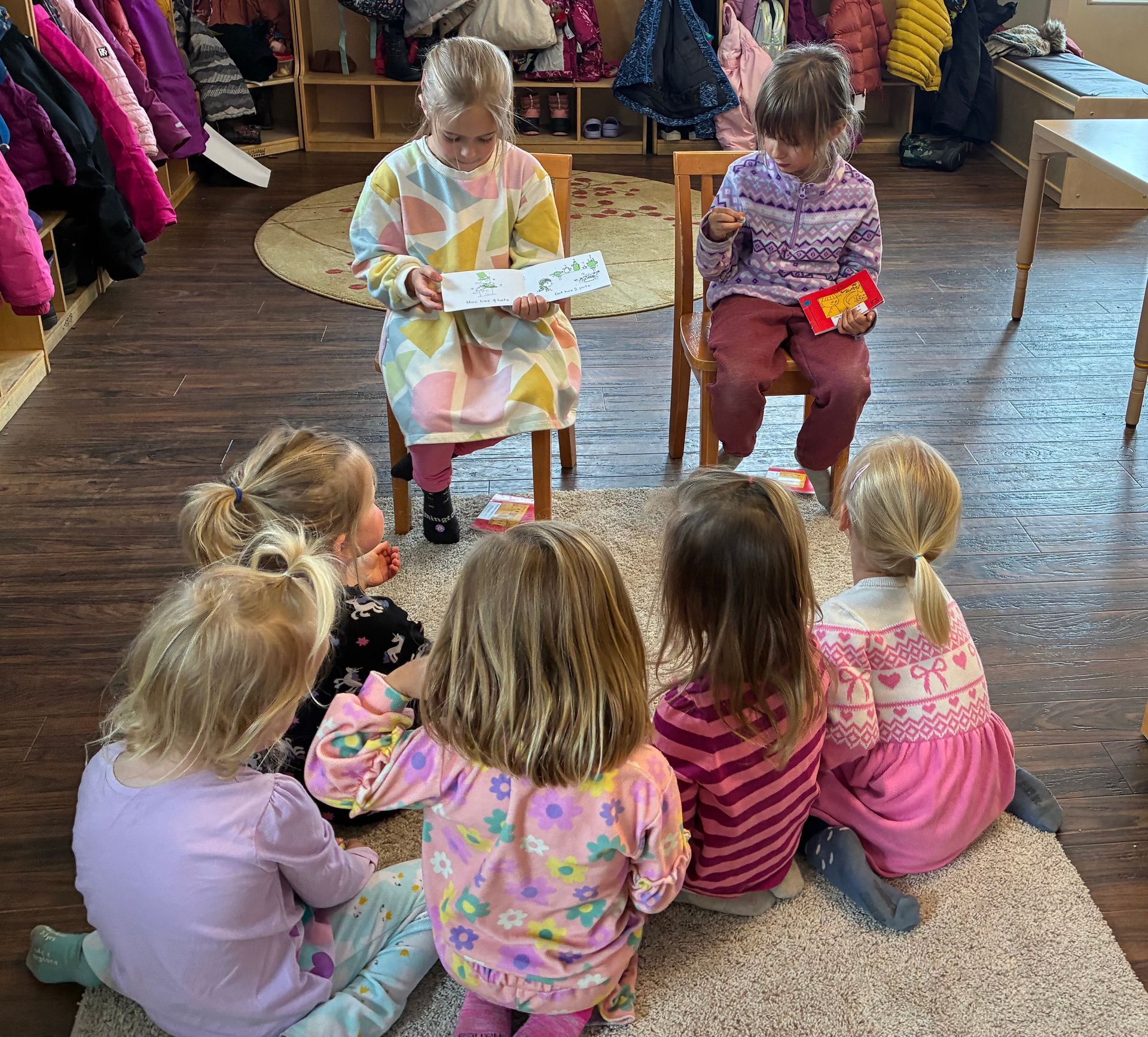
Dr. Montessori was a physician and scientist who constructed her entire educational framework on objective observation. In our Primary classrooms, we intentionally set aside time to observe without judgment: Which materials draw their interest? Where do they encounter frustration? How are they navigating social interactions with peers?
When we observe our children calmly and objectively, we gain the clarity needed to adjust our support. Following the child does not mean letting them do whatever they want without boundaries; it means observing their underlying developmental needs and preparing an environment where they can thrive independently.
To learn more about our programs or see our prepared classroom environments in action, we invite you to
schedule a tour.