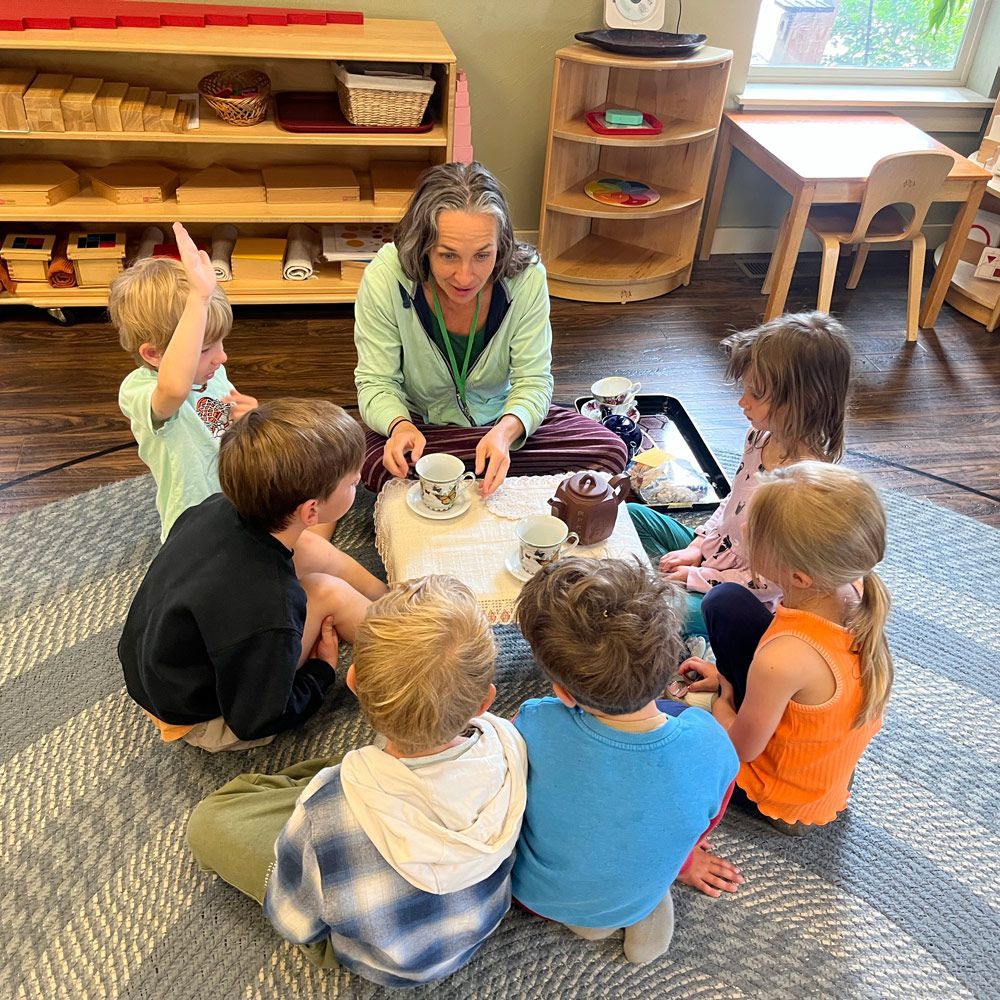
The Architecture of Emotion: Guiding Children Toward Emotional Independence
September 28, 2026

Human emotion is a gift. We are incredibly fortunate to experience such a wide-ranging spectrum of feelings, but for a young child, navigating that spectrum can feel like an overwhelming roller coaster.


As adults, our own feelings can sometimes get the best of us. How can we help our children develop healthy, lifelong ways to navigate their emotional worlds?


When discussing emotional development, words matter. Do we want to teach children how to control their feelings? Is manage the right term? Should we encourage certain emotions while discouraging others?


In Montessori, we look at emotional growth through the lens of self-construction and independence. Infants and young toddlers naturally rely on trusted adults for co-regulation—they look to us for physical comfort, safety, and solutions. As children grow into the primary years, we gradually scaffold their skills so they can navigate their feelings independently.


Our emotional experience is nuanced. There is no "wrong" way to feel, and emotional suppression is never a long-term solution. To help children move through strong feelings, we utilize a simple three-step approach: Accept, Observe, and React.


1. Accept


Accepting an emotion can be the hardest part, especially for adults who were raised to believe that some feelings are "good" and others are "bad". We can ensure our children do not carry that burden by regularly reminding them that all feelings are valid.


Emotions are normal, temporary responses to events in our lives. They do not define who we are, but they serve as valuable signals that teach us about ourselves, others, and the world.


  • Normalize the Spectrum: Let your child know that frustration, sadness, and anger are just as normal as intense joy and love.
  • Name to Tame: One of the most effective ways to accept an emotion is to name it. Keep it simple—a single word is plenty. If your child is overwhelmed or lacks the vocabulary, gently offer the word without judgment: "You seem angry." State it neutrally as a fact, rather than a problem to be fixed immediately.


2. Observe


Once an emotion is accepted, we can guide the child to observe it. The best time to practice this skill is during quiet, connected moments when feelings are not running high—such as over family dinner or during a cozy cuddle session.


Observing an emotion means stepping back and viewing it as something separate from ourselves. To help young children practice this:


  • Connect Emotion to the Body: Ask your child where they physically feel the emotion strongest. Do they feel a knot in their stomach, a pounding heart, a tight chest, or warm cheeks?
  • Focus on the Sensation: Encourage them to focus on that physical feeling. A pounding heart or tight shoulders might feel uncomfortable, but identifying the sensation helps demystify the emotion and removes its power.


3. React


Allowing emotions to run their natural course is the healthiest response. Leaning into the feeling allows it to pass much more quickly than if we resist or push it down.


Reassure your child that it is okay to feel uncomfortable sensations in their body. Ask how you can support them—some children welcome a hug or a back rub, while others need quiet space.


During calm moments, talk with your child about healthy, supportive ways to react when strong impulses arise:


  • Redirecting Impulses: If a child feels a strong urge to scream, help them identify healthy outlets. Could they sing loudly, stomp their feet outside, or squeeze a pillow?
  • Recognizing Early Cues: Help them notice bodily warnings (like clenching fists) so they can seek help or step away before feeling completely overwhelmed.
  • Setting Clear Boundaries: Establish clear household expectations by distinguishing between valid feelings and acceptable behaviors. Feeling angry at a sibling is always okay; hitting a sibling is not. Asking for a moment alone is a healthy, constructive choice.


Modeling Emotional Resilience at Home


Because young children possess an absorbent mind, they unconsciously absorb how the adults around them handle stress, frustration, and joy. When we lose our composure, we can use our own mistakes as powerful teaching moments. Apologizing, naming our own feelings, and demonstrating how we repair relationships models authentic grace and courtesy in real time.


Nurturing emotional intelligence is a continuous journey. By preparing our home environments with clear boundaries, calm adult modeling, and empathetic listening, we help our children construct the emotional independence they need for life.


Experience Our Prepared Environments. We love sharing how our teacher-led classrooms support the social-emotional development of young children. Schedule a tour today!
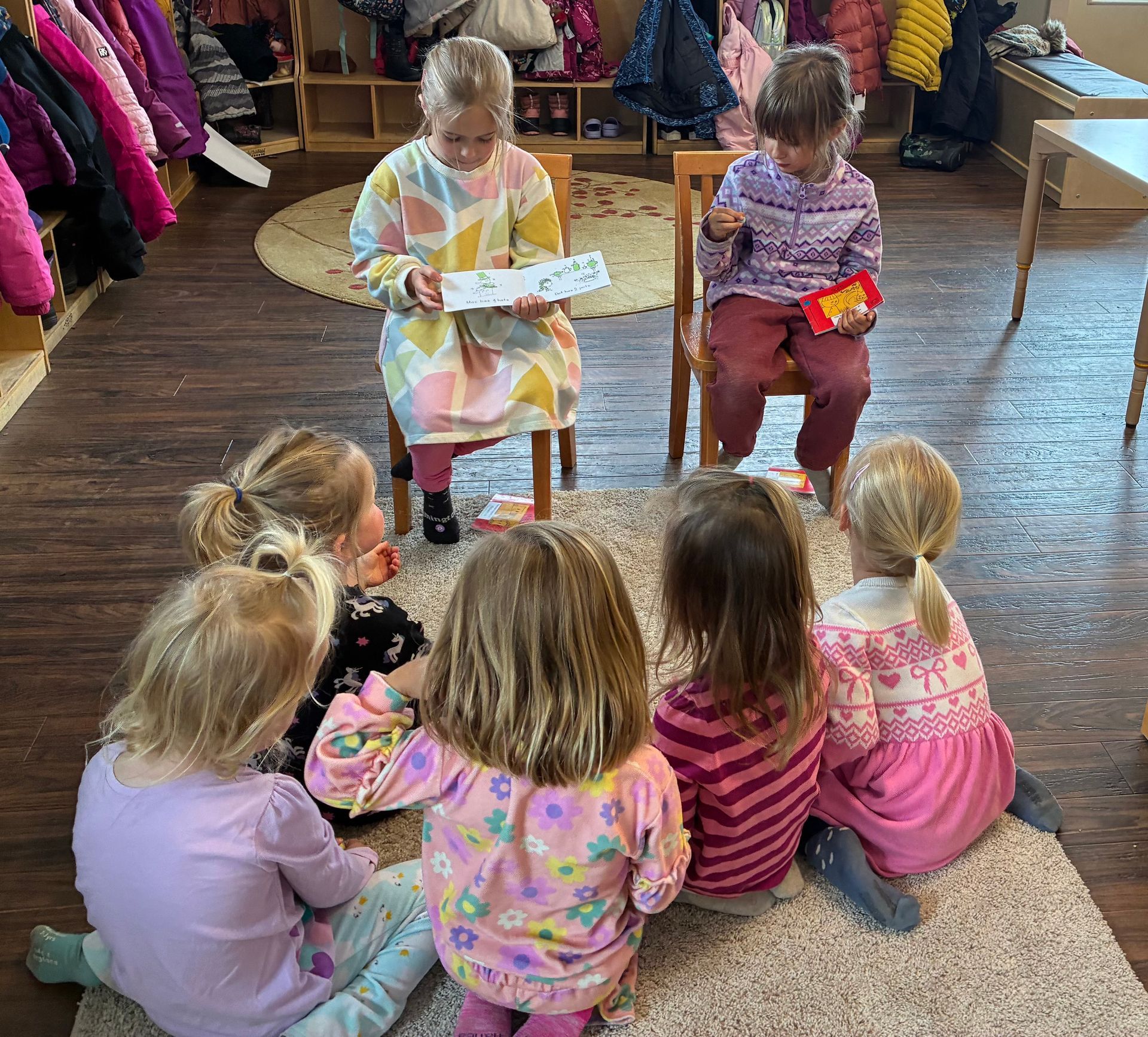
Children sitting on a rug listen to a child reading a book in a classroom.
September 21, 2026
Discover how Dr. Maria Montessori’s universal Human Tendencies guide natural learning, self-construction, and growth in our prepared environments.
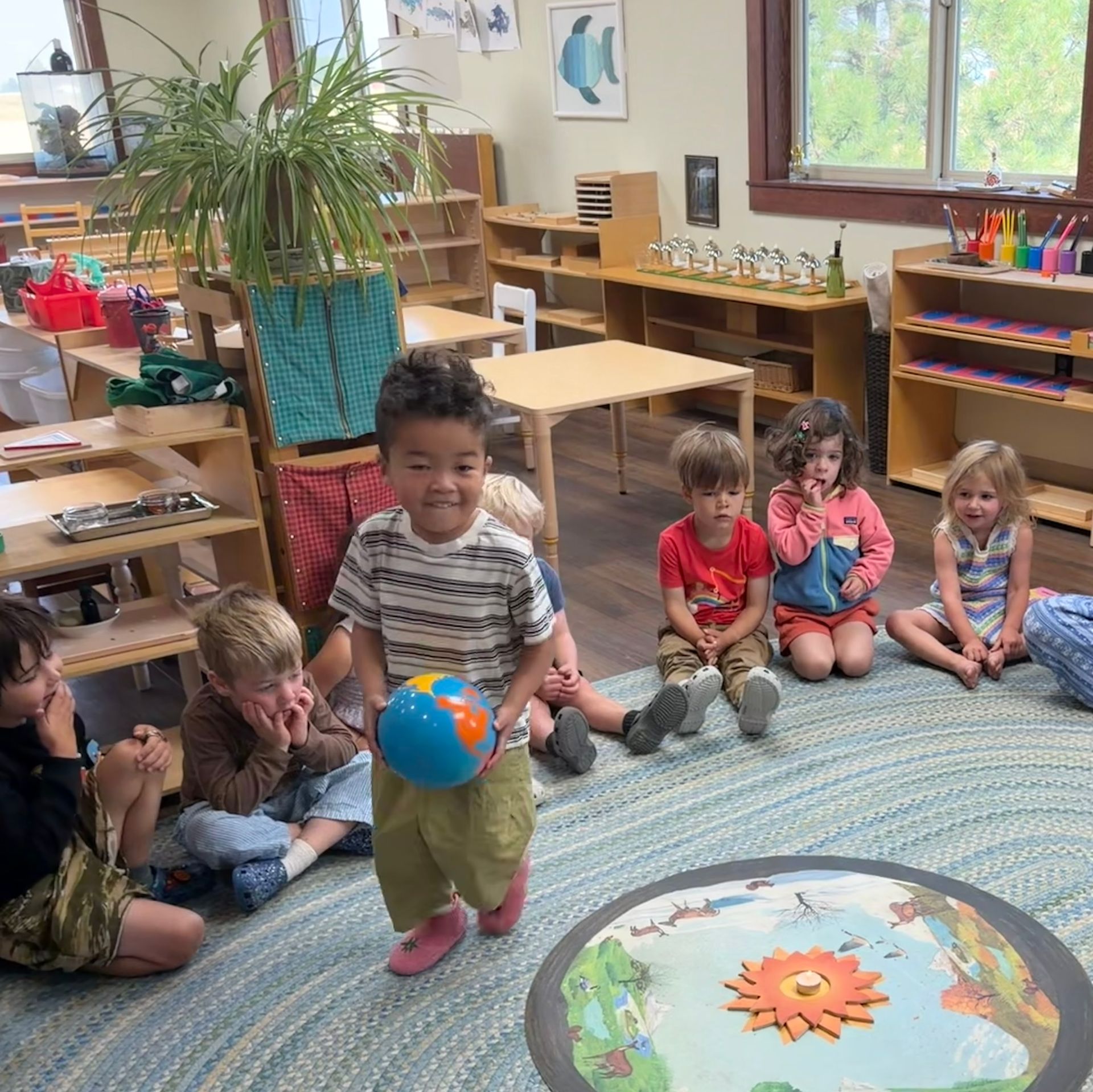
Children sitting and playing in a colorful classroom, one holding a globe.
September 14, 2026
Discover how young children effortlessly absorb language, culture, and life skills from birth to age six through Dr. Maria Montessori's concept of the absorbent mind.
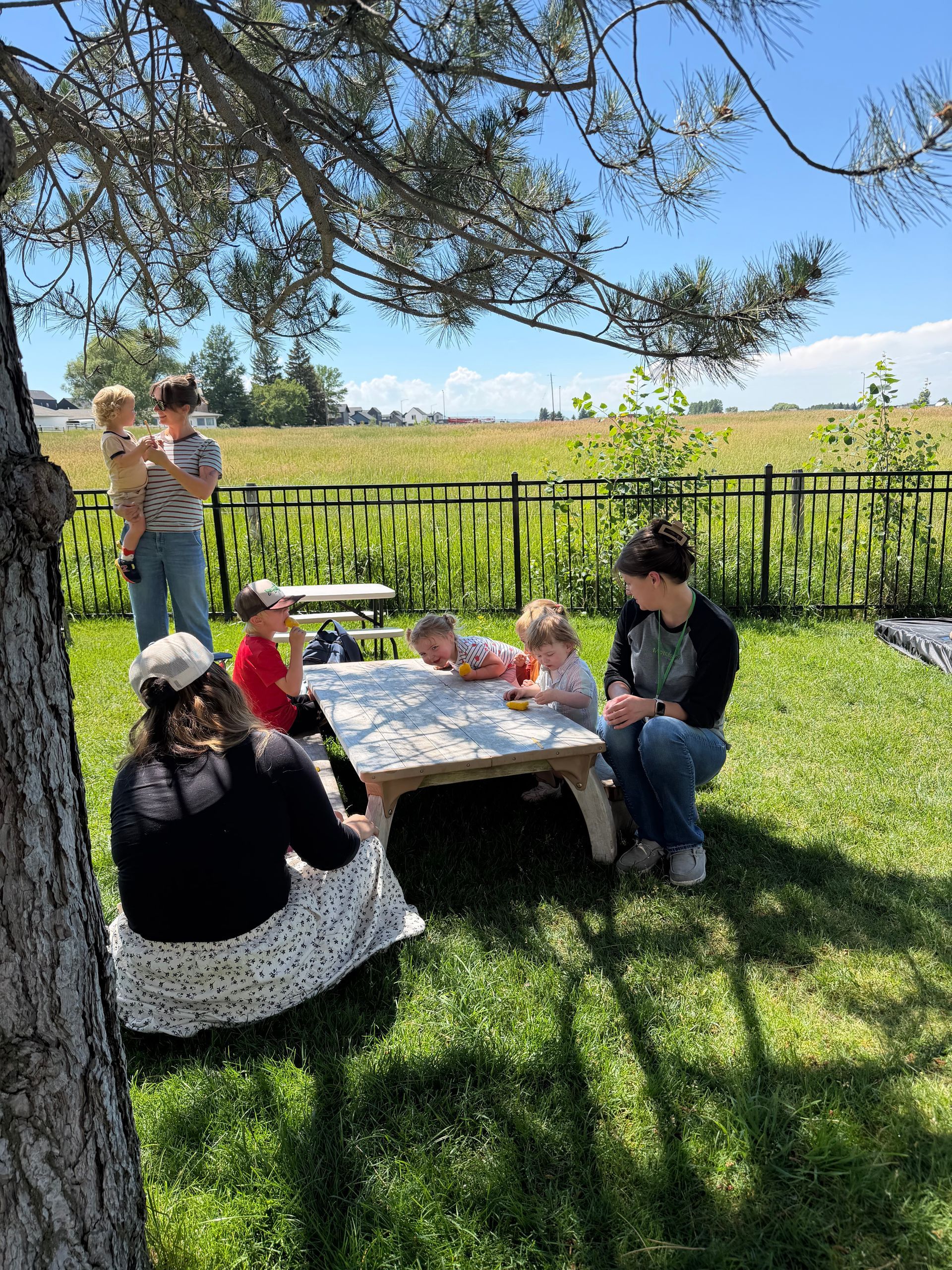
People sitting at a picnic table, with a field and fence in the background.
September 7, 2026
Discover how Bozeman Montessori’s prepared outdoor environments foster independence, sensory learning, and community through purposeful Practical Life activities.
August 28, 2026
We’d be thrilled to have you join us for an exclusive look around our campus!
Teacher helping children at a table with a board game in a classroom
July 30, 2026
Come see the Montessori environment in action! Now enrolling for the 2026-2027 school year.
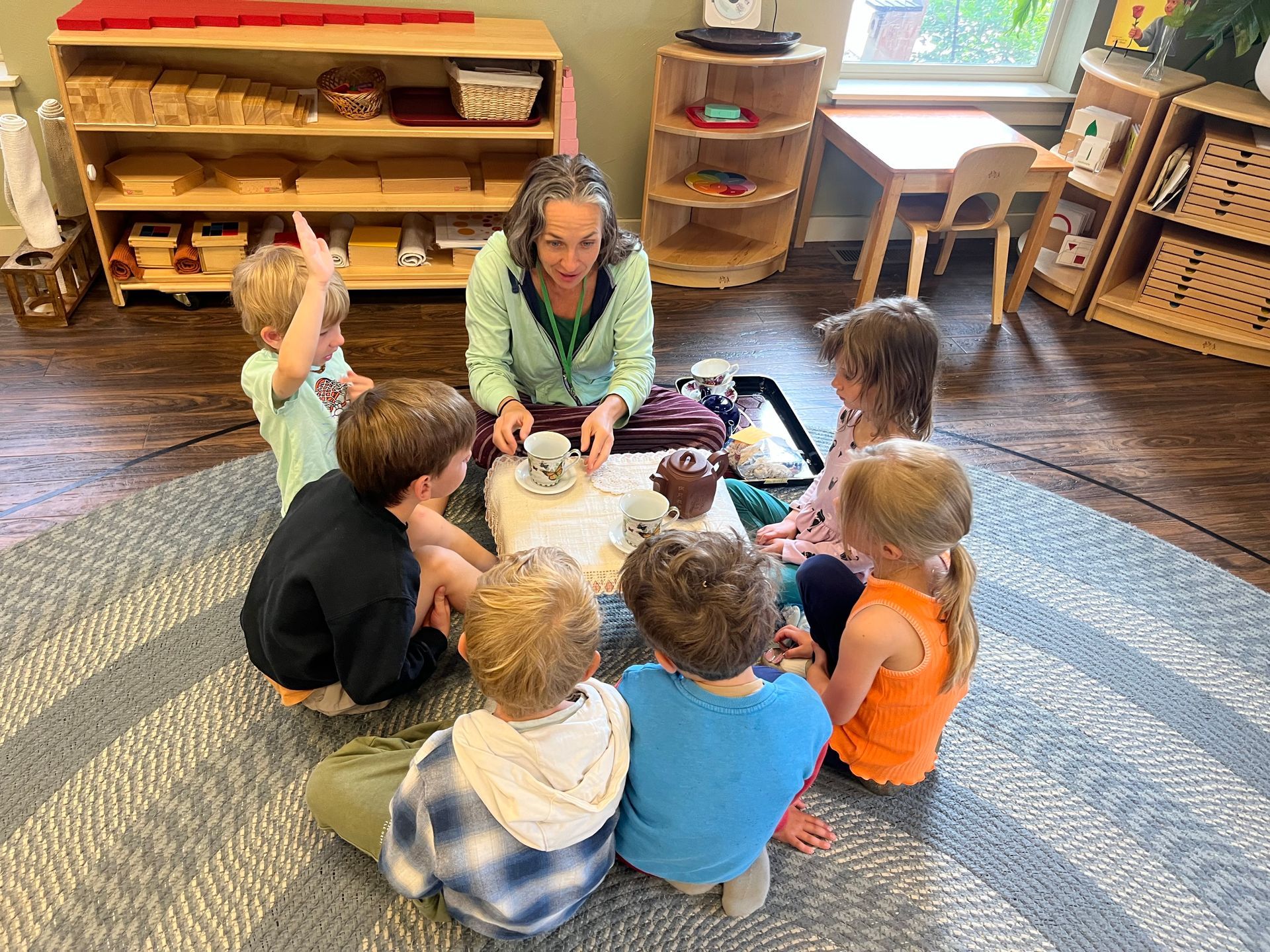
montessori children with guide in tea lesson
June 26, 2026
We’re opening our doors for a special campus tour and we'd love for you to join us!
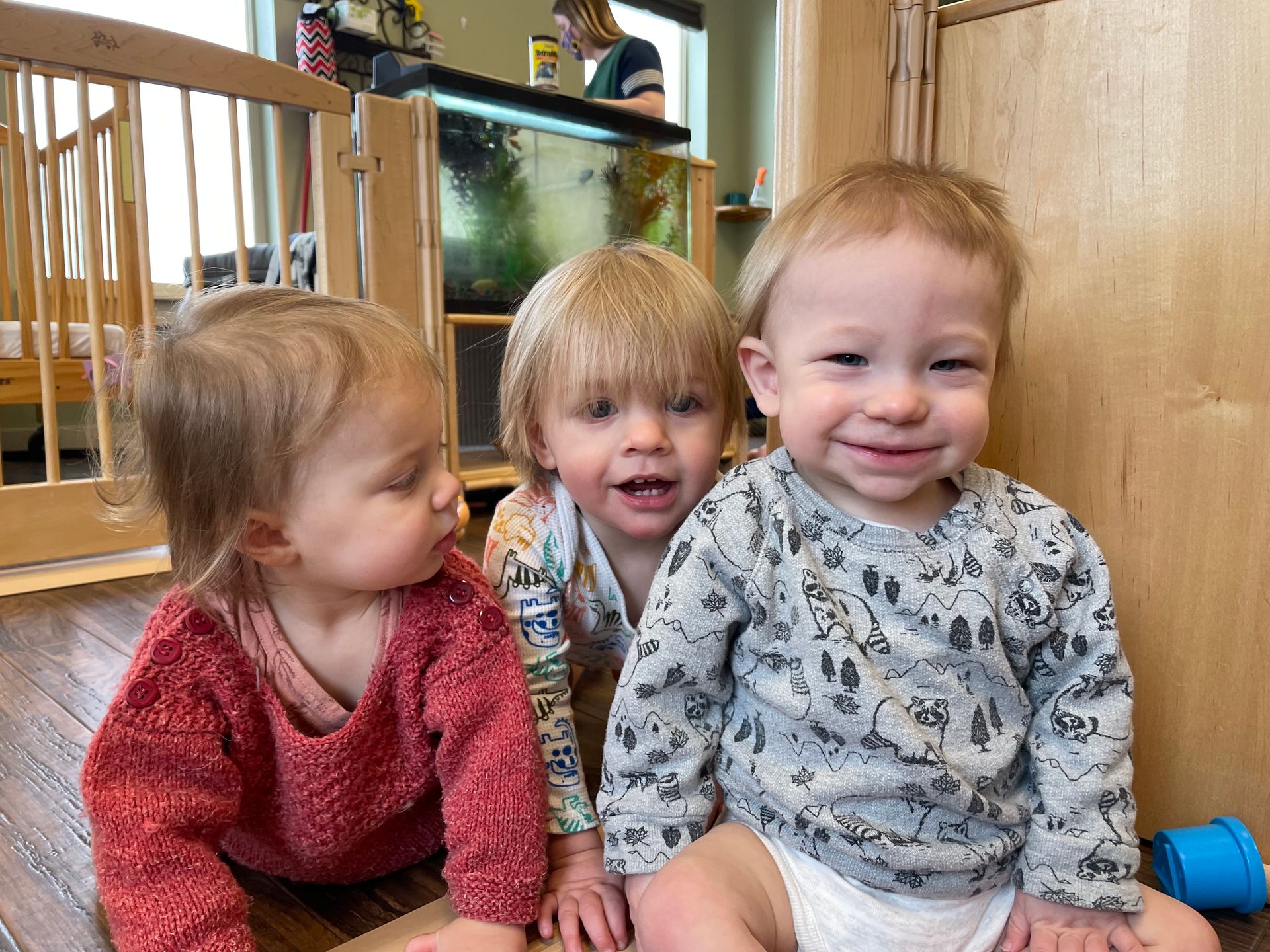
Three young children sitting on a couch, smiling in a bright indoor room.
June 15, 2026
Connect the Montessori classroom to nature. Discover how exploring Montana’s rivers helps young children develop spatial awareness and environmental respect.
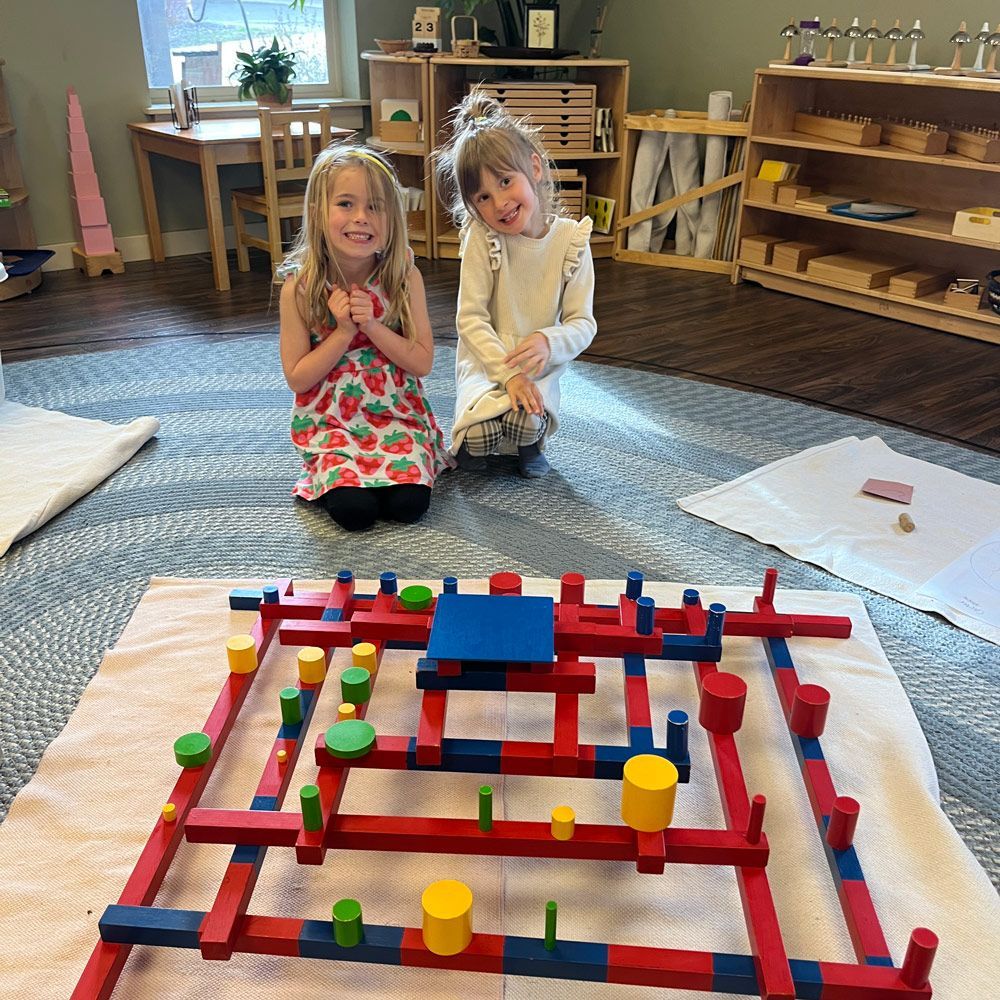
Two children kneel on a classroom rug behind a colorful block maze on the floor.
June 1, 2026
In the Montessori tradition, we talk a lot about "following the child." Sometimes people mistake this for letting a child do whatever they want. But as those of us who have been in the trenches know, following the child actually means observing them through developmental periods so thoughtfully that we understand what they need before they even have the words for it. When it comes to mental health, this observation is our greatest tool, as it helps us prepare. Mental health in childhood includes resilience, the security of belonging, and the development of an "inner voice" that tells a child they are capable, eventually serving as their source of internal guidance. Supporting this development requires us adults to shift from being managers of their behavior to loving guardians of their emotional environment. The Foundation: Safety and Routine For children in the first plane of development (birth to age 6), the groundwork for mental health is laid through warm, secure relationships. In Montessori terms, this is the "prepared environment” of connection. We often say that children need consistency like they need air. We provide stability through routine—not a rigid schedule, but a predictable rhythm. When a child knows what comes next, their nervous system relaxes. Simple acts like involving them in everyday moments—letting them slice a banana or fold washcloths—give them a sense of agency. A child who contributes to the world around them is a child who feels capable and valued. This sense of "I can do it" is important, and sometimes we just have to get out of the way. The Elementary Years: The Why and the Who As children move into the second plane of development (ages 6–12), their mental health needs shift toward social belonging and moral understanding. This is the age of "Why?" and "That’s not fair!" At this stage, adults can check in on their feelings through everyday events. Did they get into a fight with their friend? Don’t rush to fix the sadness. Instead, sit with them in it. We can support their mental health by giving them the tools to solve their own social problems. Ask, "What do you think would help you feel better?" rather than handing them the solution. This builds the self-efficacy that helps buffer against anxiety and depression later in life. Learning the Hard Way Mental health isn't about avoiding the scary or hard things that come with growing up; it's about making sure your child never has to face them alone. It’s about cuddles, and hugs, and playing with your kids. It’s about recognizing that a tantrum isn't an attack on your parenting—it’s a child whose inner "prepared environment" has temporarily collapsed, and they need you to help them rebuild it. The Parent’s Work (The Inner Preparation) In Montessori, the "prepared adult" must do their own inner work to best be able to guide a child. Parenting can feel messy, and it rarely looks like the peaceful, perfectly-balanced life we might have imagined. Here is how to keep your own foundation solid: Honoring the "Gap": Make peace with the fact that your reality may not match your expectations. There will be days when you are not the “calm, cool and collected“ model you want to be. Forgive yourself. Your children don’t need a perfect parent; they need a regulated one who can apologize when they mess up and move forward. Mindful Co-Parenting: Whether you live in the same house or two, communication between co-parents must be clear and boundary-honoring. Children are emotional barometers; they feel the pressure of unspoken conflict. Aim for "functional transparency"—share the necessary information about the child’s needs without using the child as a messenger. Self-Care is Not a Luxury: You cannot pour from an empty vessel. In the Montessori classroom, a tired, burnt-out adult is not the example we want to set, nor is it an effective one. Taking ten minutes for a quiet tea or a solo walk isn't "ignoring" your kids; it’s calibrating your instrument so you can be the calm center they need. Boundaries as Love: Setting a boundary for yourself ("I need 5 minutes of quiet before I can help with that") teaches your child that you are a human with needs. This honors your humanity and models for them how to protect their own mental health in the future.
Children sit in a circle around a teacher at a table, sharing a small activity in a classroom.
May 18, 2026
Overbooking your child's summer? Learn why unstructured downtime and embracing a little boredom are vital for nurturing your child's creativity.
Show More