Nature as the Prepared Environment: Tending to Community Beyond the Classroom
September 7, 2026

One of the most empowering aspects of Montessori education is how it helps children understand themselves as valued, contributing members of a community. A foundational way this occurs is through Care of the Environment—a core element of Practical Life that invites children to actively maintain and cherish the spaces they inhabit each day.


When children sweep a pathway, water a garden bed, or prepare a shared table, they build a genuine sense of ownership. Through these meaningful tasks, they develop pride, executive function, and a lasting connection to the world around them.


The Outdoor Space as an Extension of Learning


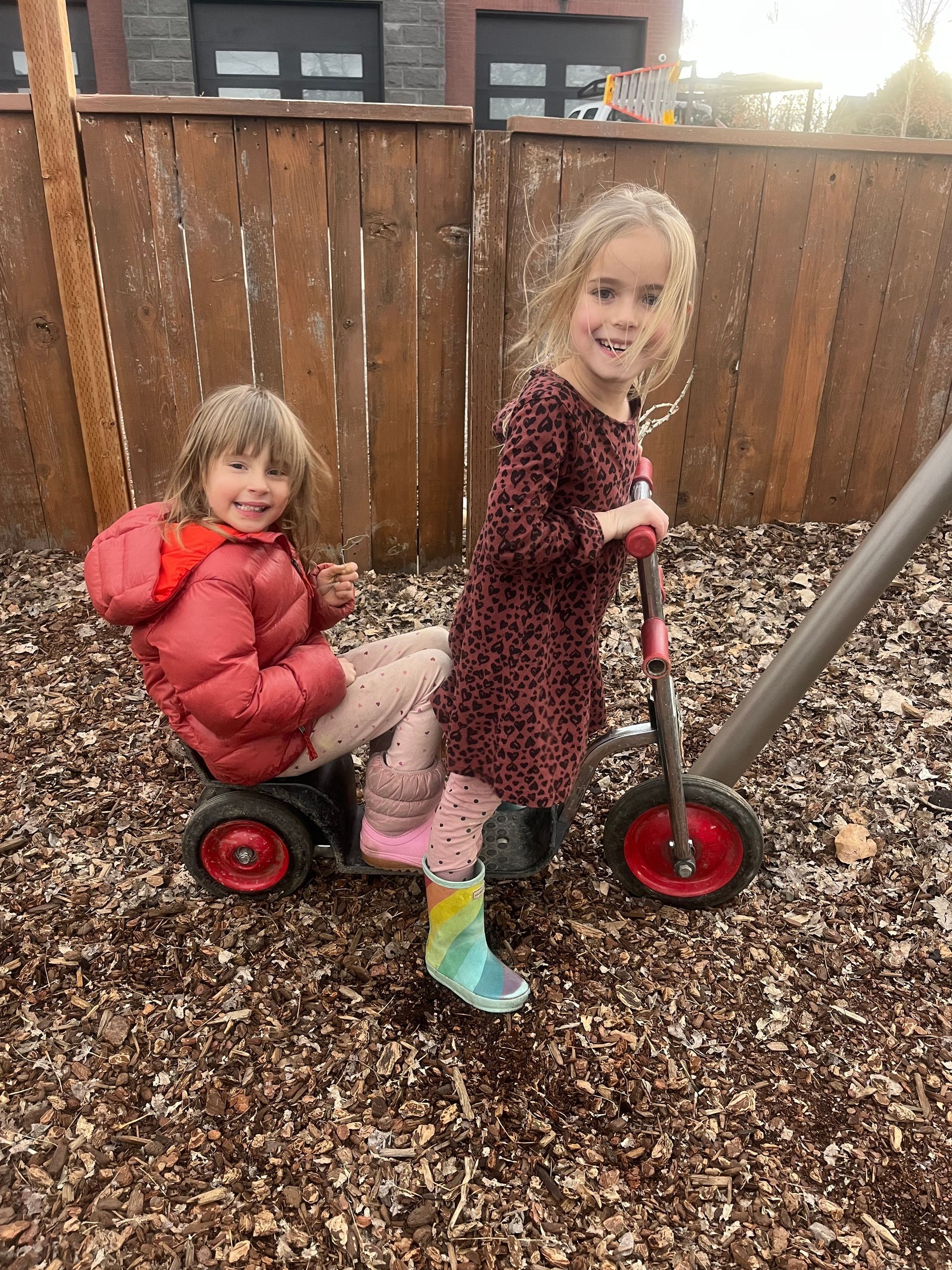
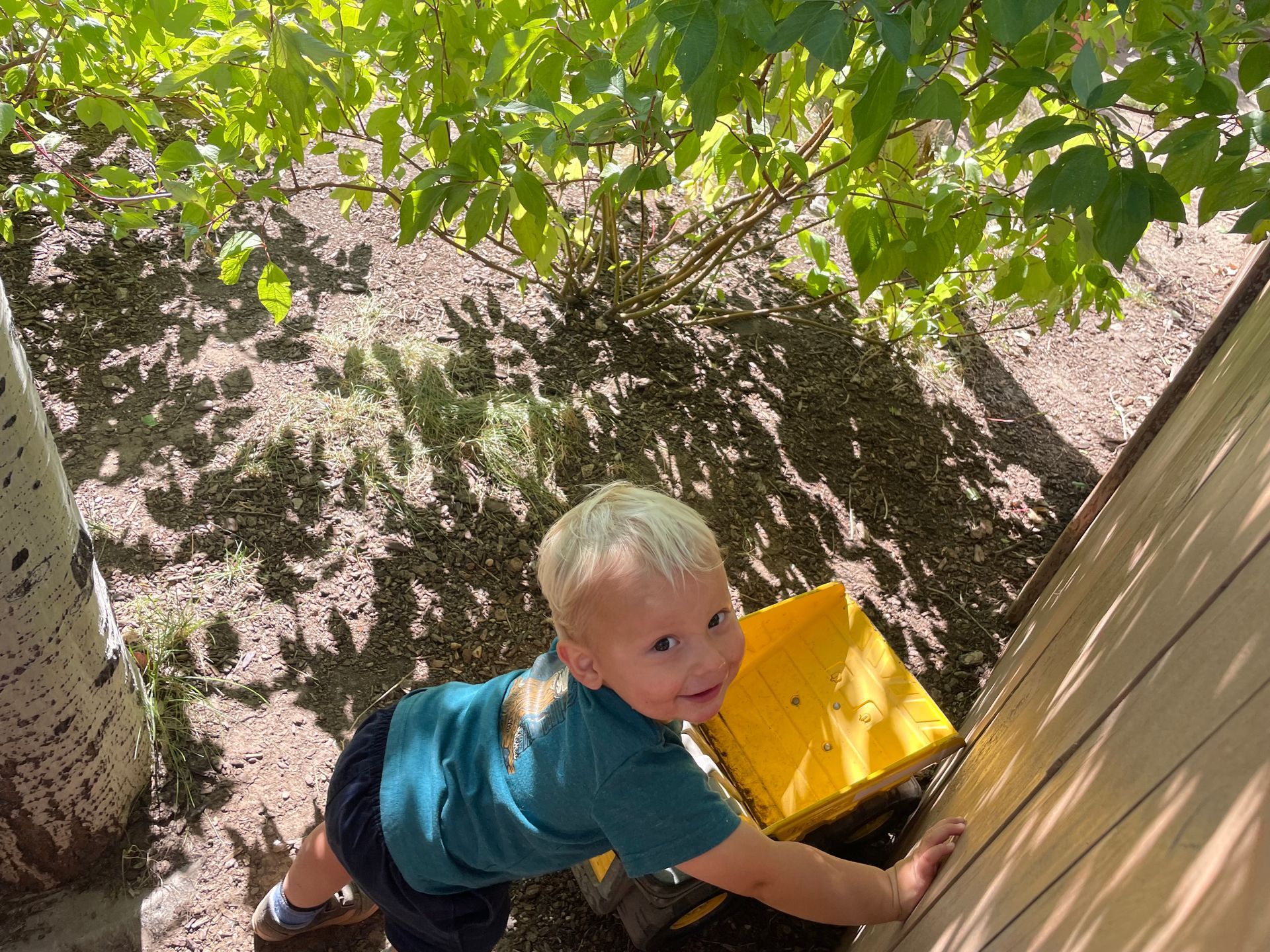
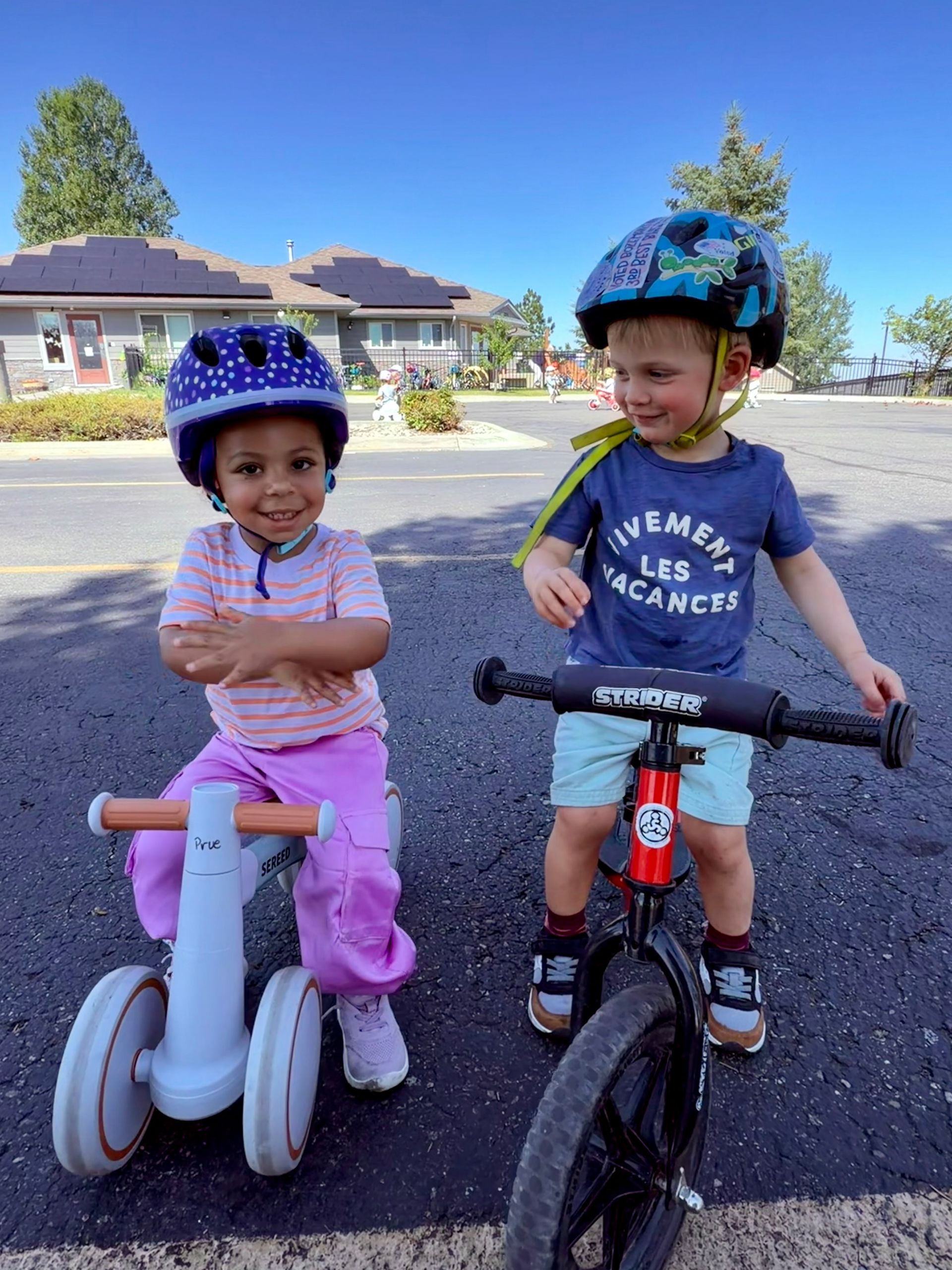
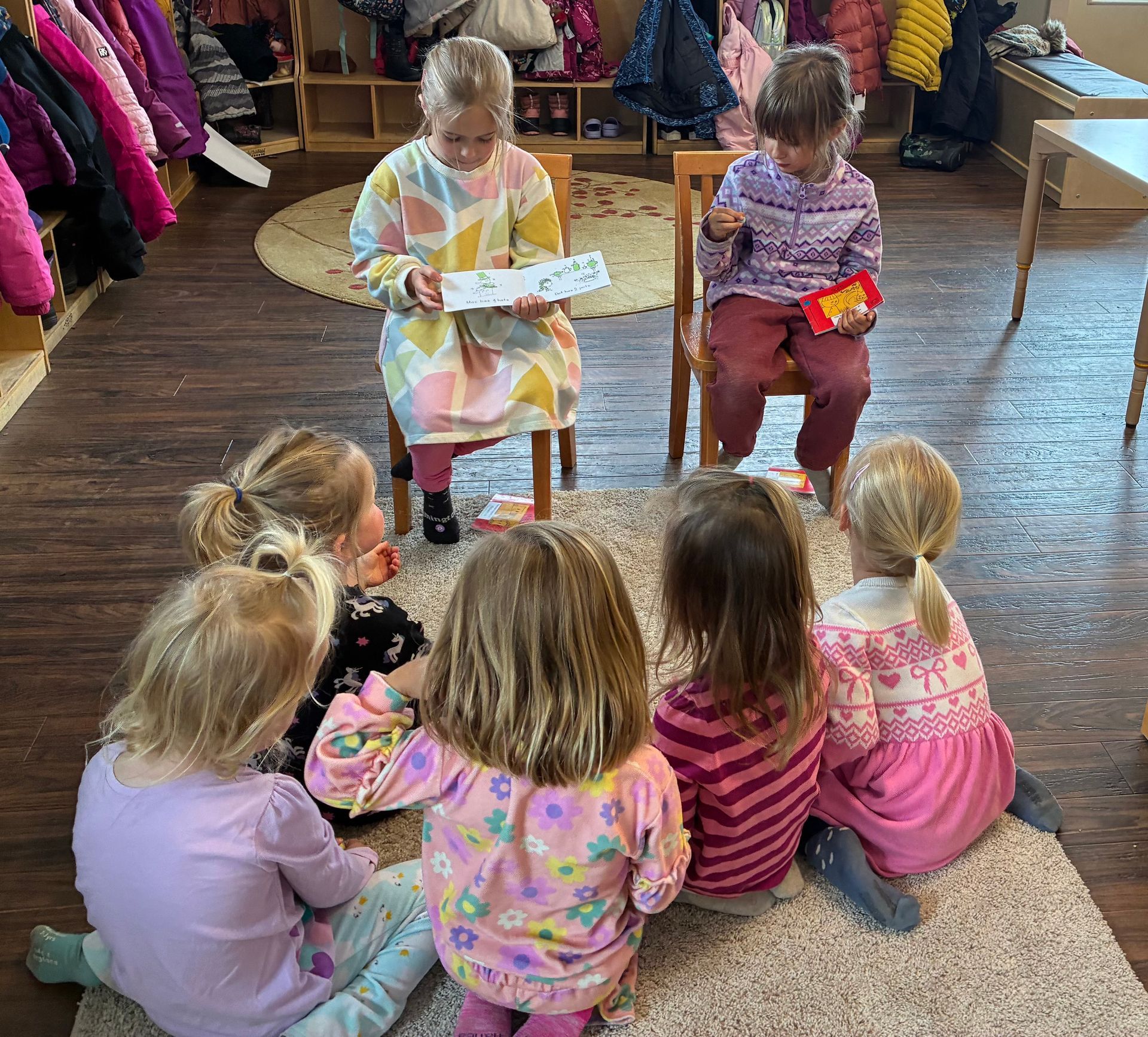
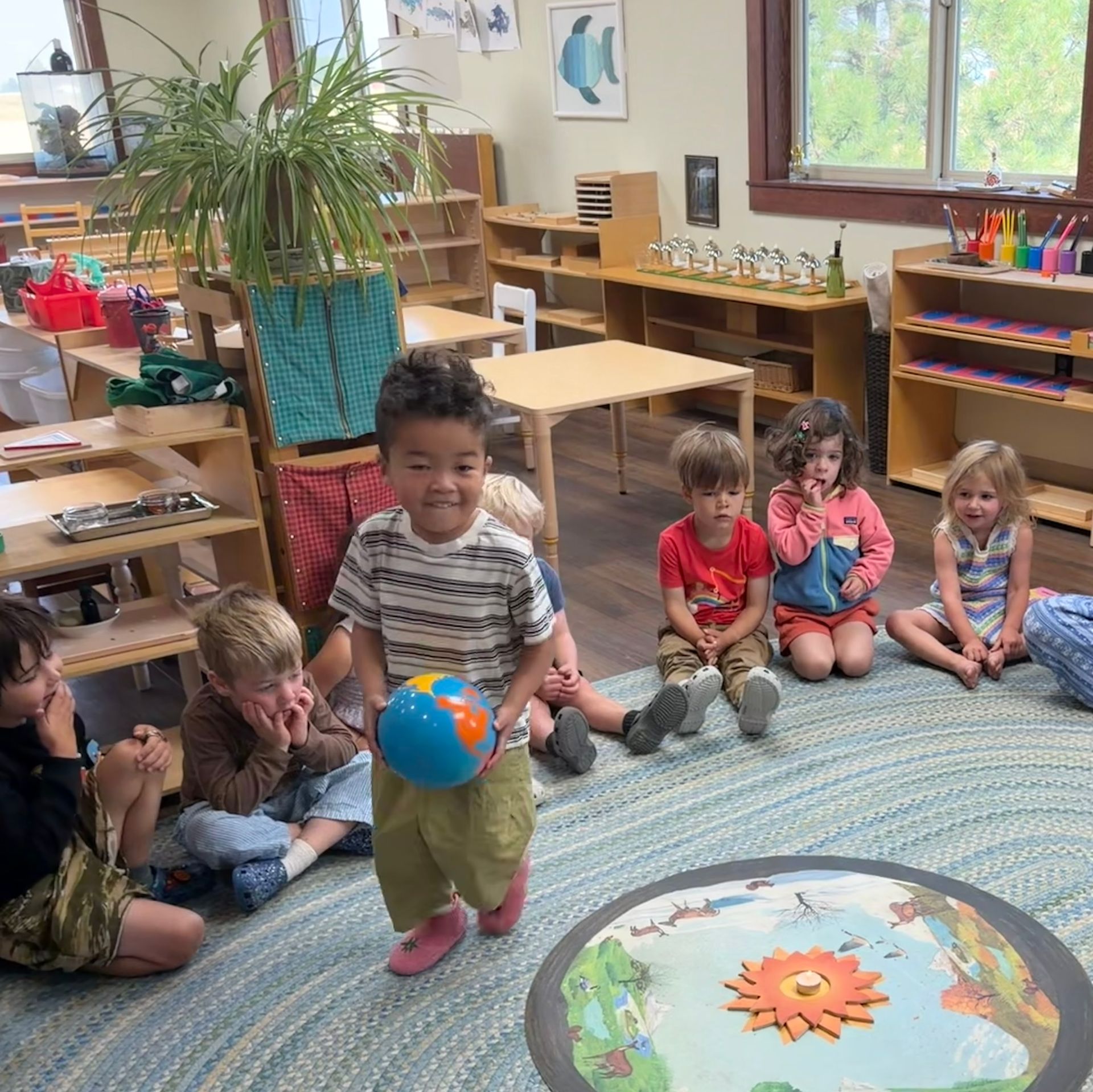
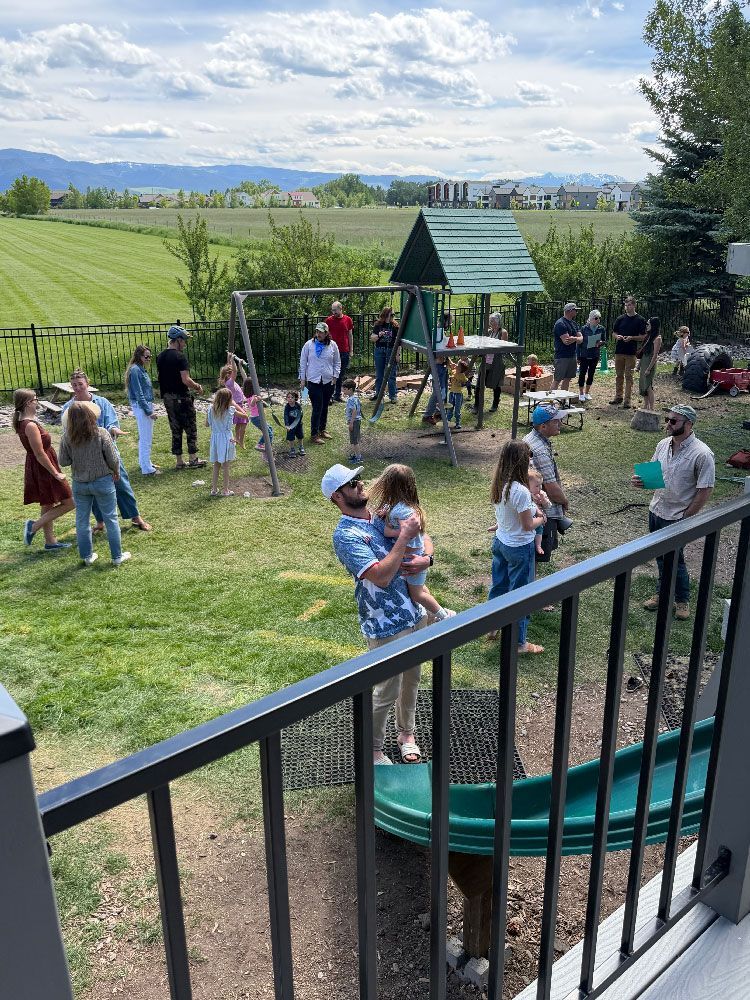
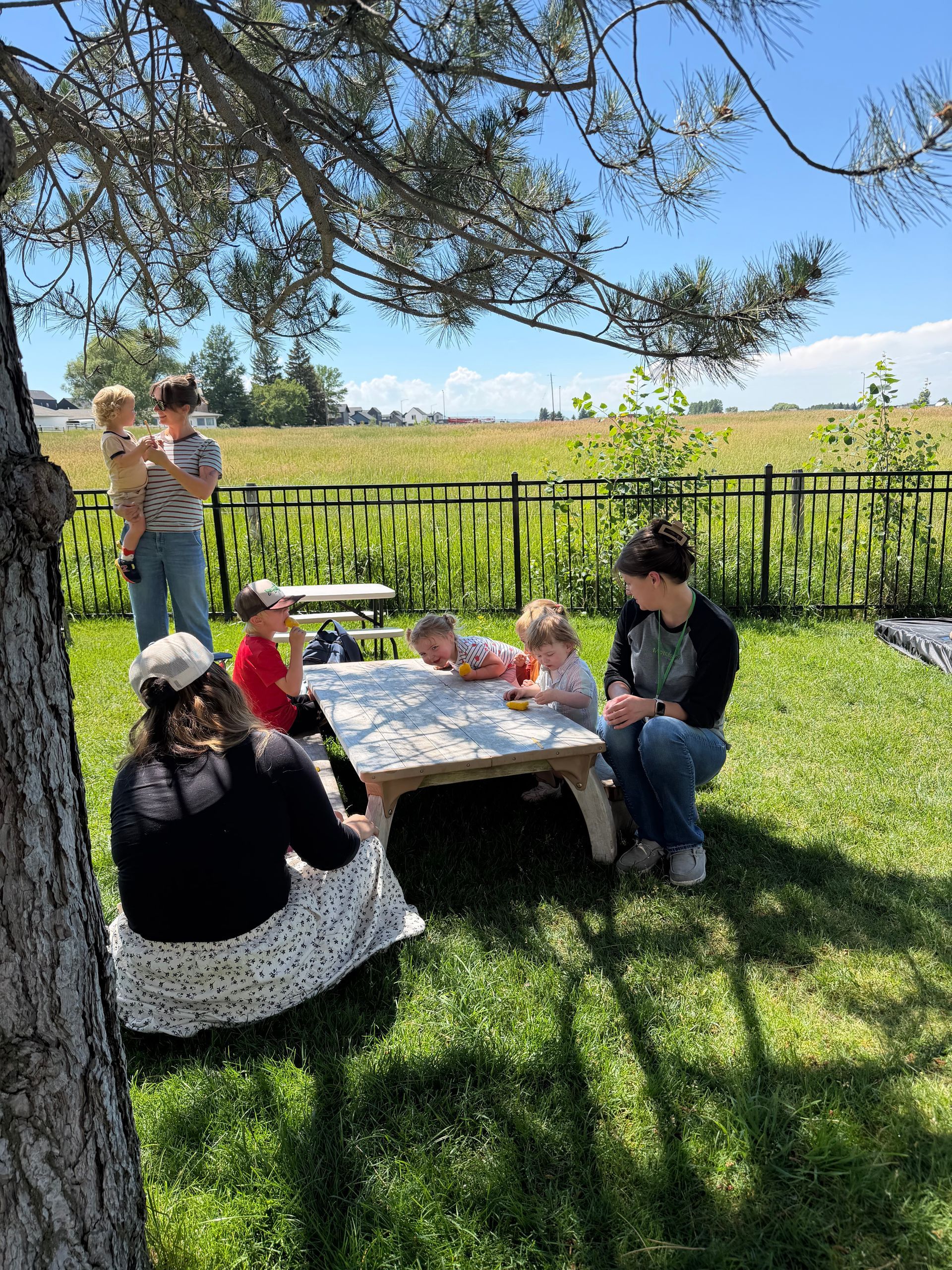
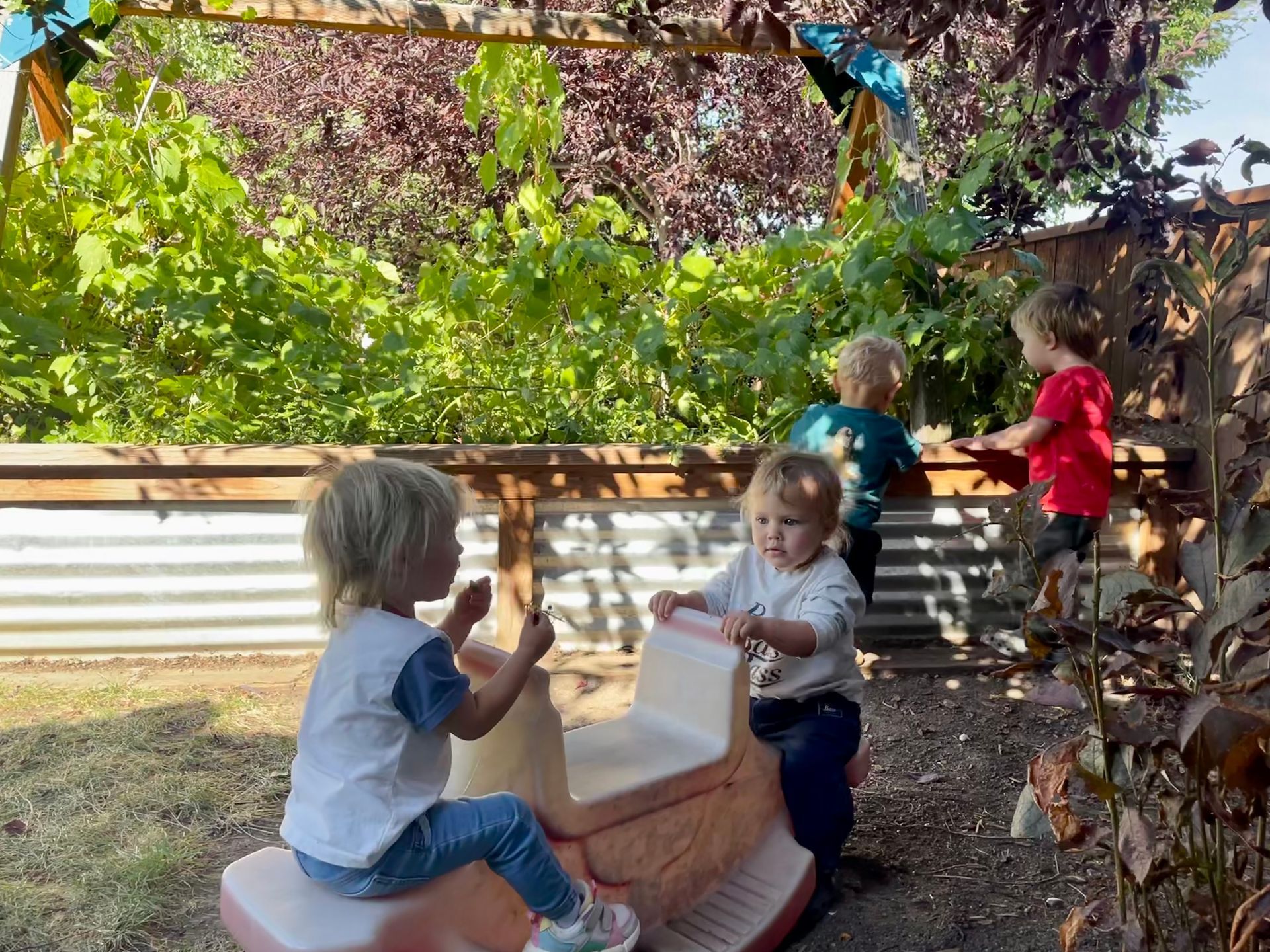
At Bozeman Montessori, our learning environments do not end at the classroom door. We view the natural world as an essential extension of the prepared indoor environment, carefully designed to foster independence, concentration, and wonder.


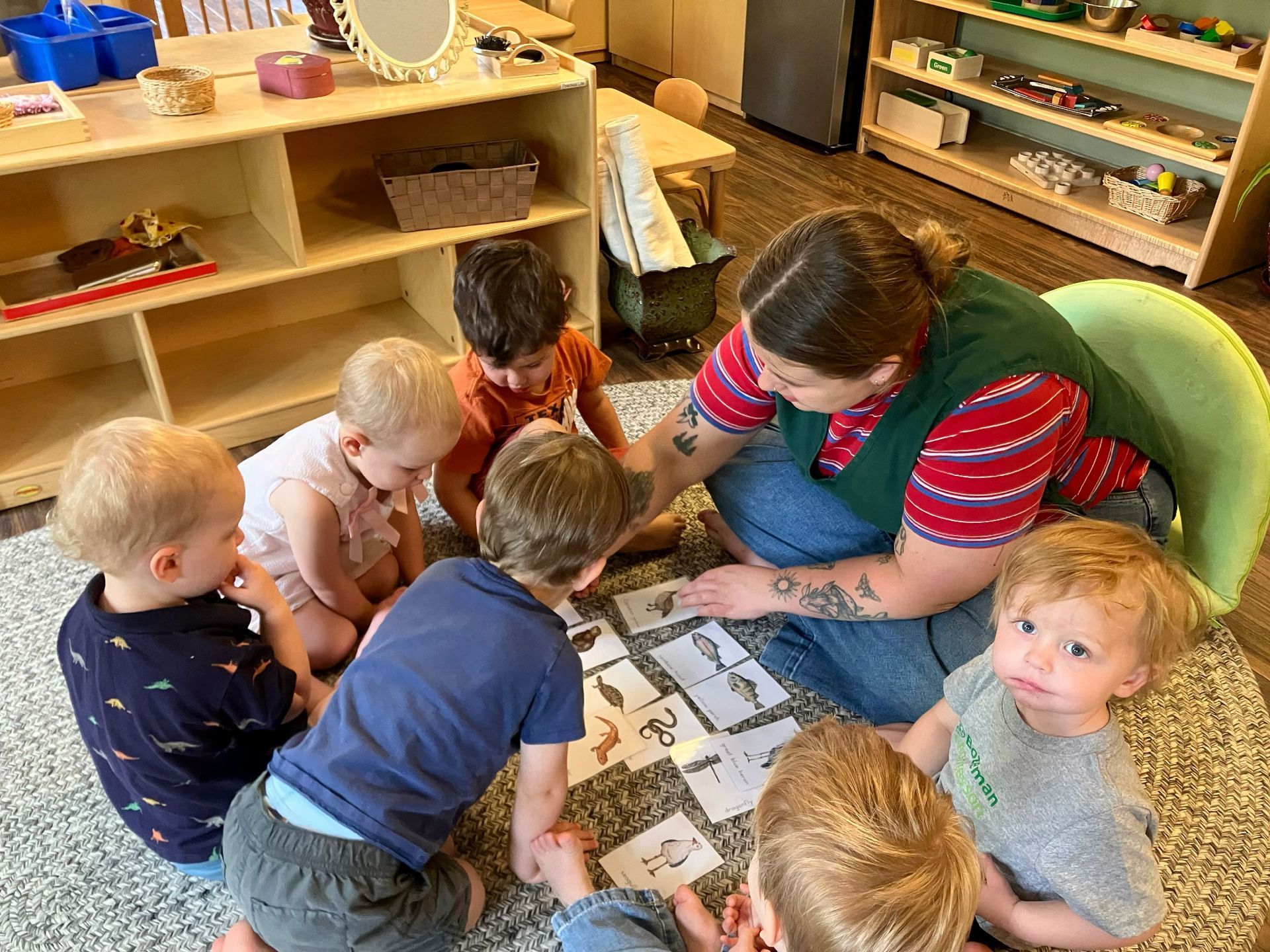
  • For Young Children (0–3): Outdoor exploration feeds sensitive periods for movement, language acquisition, and sensory refinement through tactile, real-world experiences.
  • For Older Children: Outdoor work offers opportunities for self-regulation, deep focus, collaborative problem-solving, and physical mastery.


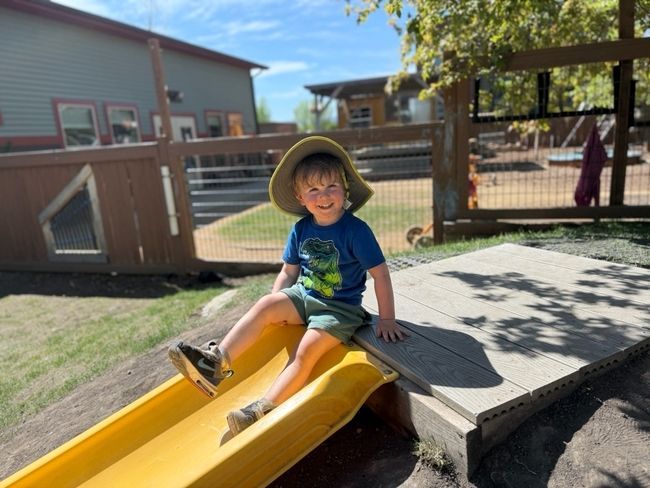
Time spent outdoors is not a break from learning—the outdoors is the learning environment. Nature provides natural order, rhythm, and beauty that directly satisfy the child’s innate desire to explore and belong.


The Role of the Montessori Adult Outdoors


Outdoors, the guide's role shifts from classroom facilitation to observant steward. The outdoor space offers a rich lens for observing group dynamics and supporting social-emotional growth:


  • Modeling Joyful and Playful Behavior: During recess, guides play alongside children while maintaining purposeful boundaries, showing that being human includes lightness, curiosity, and laughter.
  • Guiding Grace and Courtesy Across Environments: Adults help children navigate how expectations differ outdoors versus indoors. Children learn how to conduct themselves thoughtfully whether walking on a woodland trail, tending a garden bed, building forts, or participating in group games.
  • Observation and Environmental Adaptation: Outdoors is a critical space for observing social expressiveness, noticing what captures a child's curiosity, and adjusting the prepared outdoor environment to support their developing needs.


Bringing Practical Life Outdoors: Home Ideas


You can easily extend this intentional approach to your home routine with simple, purposeful outdoor tasks.


1. Practical Life & Environmental Care


  • Provide child-sized tools for real work: sweeping patios, scrubbing garden pots, washing outdoor toys, or wiping down outdoor seating.
  • Involve children in gardening: planting native seeds, pulling weeds, harvesting vegetables, and watering plants.
  • Offer simple animal care tasks: refilling bird feeders or brushing a family pet.


2. Sensorial & Motor Exploration


  • Plant a sensory garden featuring varied textures and scents like lavender, mint, and lamb's ear.
  • Create structured spaces for collection and sorting—using pinecones, river rocks, seed pods, and leaves.
  • Utilize natural balance beams (logs), grassy hills for rolling, and dedicated spaces for digging and building.


3. Cross-Curricular Connections


  • Math: Count flower petals, measure growth over weeks, or sort leaves by shape and size.
  • Science: Use magnifying glasses to observe soil organisms, maintain a simple compost system, or track weather patterns.
  • Language & Art: Read together under a tree, label backyard plants, or use natural materials for sketching and leaf pressings.


Observe and Adapt


As Dr. Maria Montessori observed, the key to supporting development is careful observation. Watch what captures your child's interest outdoors. Where do they linger? What challenges engage them?


By adapting our spaces to meet their developing needs, we help children form deep connections—to the earth, to their community, and to their own capable selves.


Interested in seeing our outdoor environments in action? We invite you to experience our classrooms and thoughtfully prepared grounds firsthand. Schedule a tour today!
August 28, 2026
We’d be thrilled to have you join us for an exclusive look around our campus!
Teacher helping children at a table with a board game in a classroom
July 30, 2026
Come see the Montessori environment in action! Now enrolling for the 2026-2027 school year.
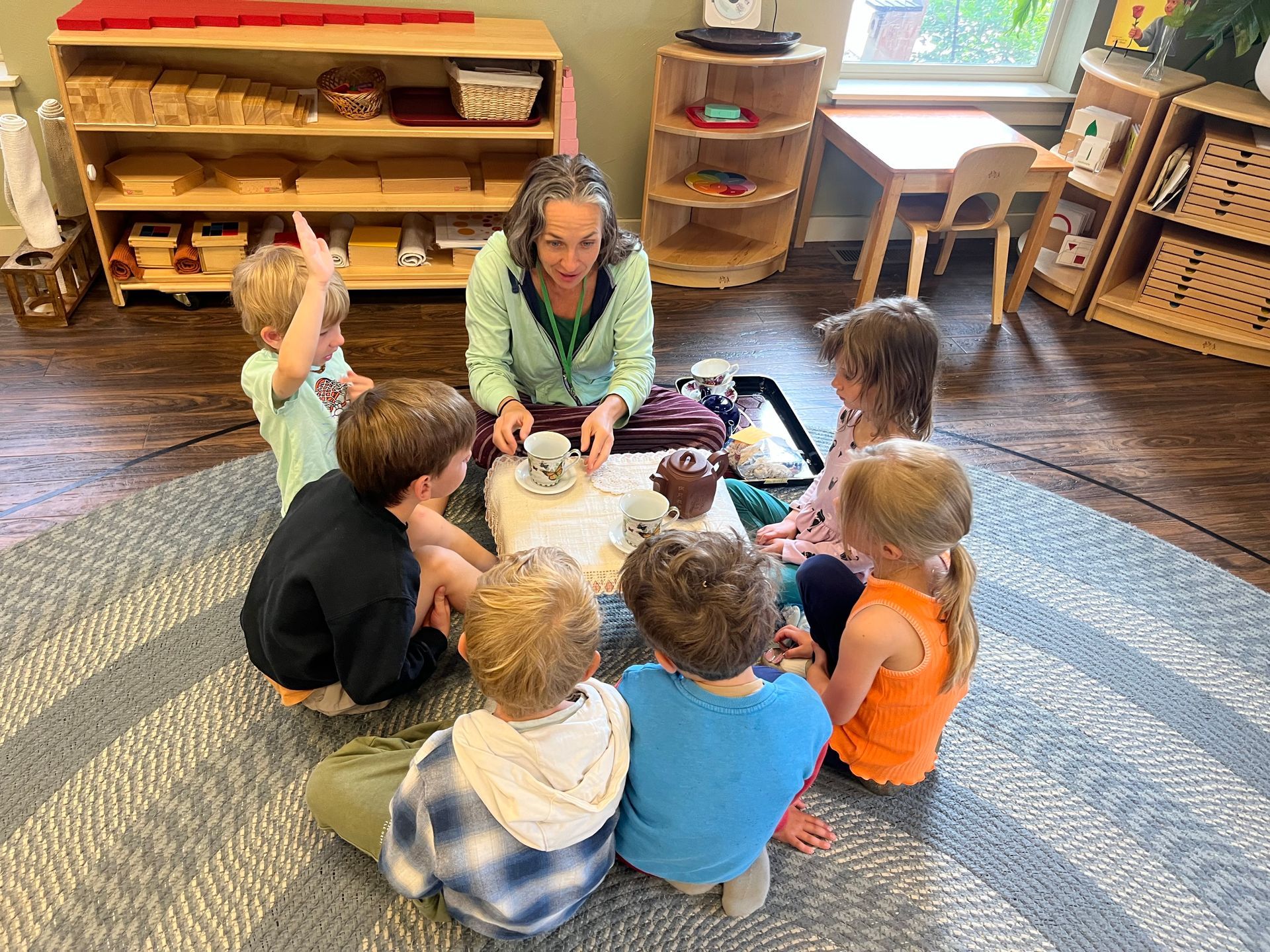
montessori children with guide in tea lesson
June 26, 2026
We’re opening our doors for a special campus tour and we'd love for you to join us!
Three young children sitting on a couch, smiling in a bright indoor room.
June 15, 2026
Connect the Montessori classroom to nature. Discover how exploring Montana’s rivers helps young children develop spatial awareness and environmental respect.
Two children kneel on a classroom rug behind a colorful block maze on the floor.
June 1, 2026
In the Montessori tradition, we talk a lot about "following the child." Sometimes people mistake this for letting a child do whatever they want. But as those of us who have been in the trenches know, following the child actually means observing them through developmental periods so thoughtfully that we understand what they need before they even have the words for it. When it comes to mental health, this observation is our greatest tool, as it helps us prepare. Mental health in childhood includes resilience, the security of belonging, and the development of an "inner voice" that tells a child they are capable, eventually serving as their source of internal guidance. Supporting this development requires us adults to shift from being managers of their behavior to loving guardians of their emotional environment. The Foundation: Safety and Routine For children in the first plane of development (birth to age 6), the groundwork for mental health is laid through warm, secure relationships. In Montessori terms, this is the "prepared environment” of connection. We often say that children need consistency like they need air. We provide stability through routine—not a rigid schedule, but a predictable rhythm. When a child knows what comes next, their nervous system relaxes. Simple acts like involving them in everyday moments—letting them slice a banana or fold washcloths—give them a sense of agency. A child who contributes to the world around them is a child who feels capable and valued. This sense of "I can do it" is important, and sometimes we just have to get out of the way. The Elementary Years: The Why and the Who As children move into the second plane of development (ages 6–12), their mental health needs shift toward social belonging and moral understanding. This is the age of "Why?" and "That’s not fair!" At this stage, adults can check in on their feelings through everyday events. Did they get into a fight with their friend? Don’t rush to fix the sadness. Instead, sit with them in it. We can support their mental health by giving them the tools to solve their own social problems. Ask, "What do you think would help you feel better?" rather than handing them the solution. This builds the self-efficacy that helps buffer against anxiety and depression later in life. Learning the Hard Way Mental health isn't about avoiding the scary or hard things that come with growing up; it's about making sure your child never has to face them alone. It’s about cuddles, and hugs, and playing with your kids. It’s about recognizing that a tantrum isn't an attack on your parenting—it’s a child whose inner "prepared environment" has temporarily collapsed, and they need you to help them rebuild it. The Parent’s Work (The Inner Preparation) In Montessori, the "prepared adult" must do their own inner work to best be able to guide a child. Parenting can feel messy, and it rarely looks like the peaceful, perfectly-balanced life we might have imagined. Here is how to keep your own foundation solid: Honoring the "Gap": Make peace with the fact that your reality may not match your expectations. There will be days when you are not the “calm, cool and collected“ model you want to be. Forgive yourself. Your children don’t need a perfect parent; they need a regulated one who can apologize when they mess up and move forward. Mindful Co-Parenting: Whether you live in the same house or two, communication between co-parents must be clear and boundary-honoring. Children are emotional barometers; they feel the pressure of unspoken conflict. Aim for "functional transparency"—share the necessary information about the child’s needs without using the child as a messenger. Self-Care is Not a Luxury: You cannot pour from an empty vessel. In the Montessori classroom, a tired, burnt-out adult is not the example we want to set, nor is it an effective one. Taking ten minutes for a quiet tea or a solo walk isn't "ignoring" your kids; it’s calibrating your instrument so you can be the calm center they need. Boundaries as Love: Setting a boundary for yourself ("I need 5 minutes of quiet before I can help with that") teaches your child that you are a human with needs. This honors your humanity and models for them how to protect their own mental health in the future.
Children sit in a circle around a teacher at a table, sharing a small activity in a classroom.
May 18, 2026
Overbooking your child's summer? Learn why unstructured downtime and embracing a little boredom are vital for nurturing your child's creativity.
Montessori child working in the classroom
May 18, 2026
We’re opening our doors for a special campus tour and we'd love for you to join us! 
May 4, 2026
Discover how Montessori education champions character development, physical autonomy, and personal best over the cultural pressure of competition.
A child with hair in small buns sits at a wooden table, painting on a sheet of paper with a small brush.
April 27, 2026
Discover how peer learning, meaningful context, adult interaction, and order align Montessori with the science of how children learn best.
Show More