The Power of Self-Directed Play: Building Independence and Joy at Home

Perhaps you’ve heard about self-directed play, also known as open-ended play. Maybe you haven’t. While it may seem like a recent trend in early childhood education, the underlying concept is nothing new. In fact, it lies at the very heart of authentic Montessori education.
Once you understand why self-directed play is so crucial to child development, and how simple it is to foster in your own home, it becomes an effortless, natural routine.
What, Exactly, Is Self-Directed Play?
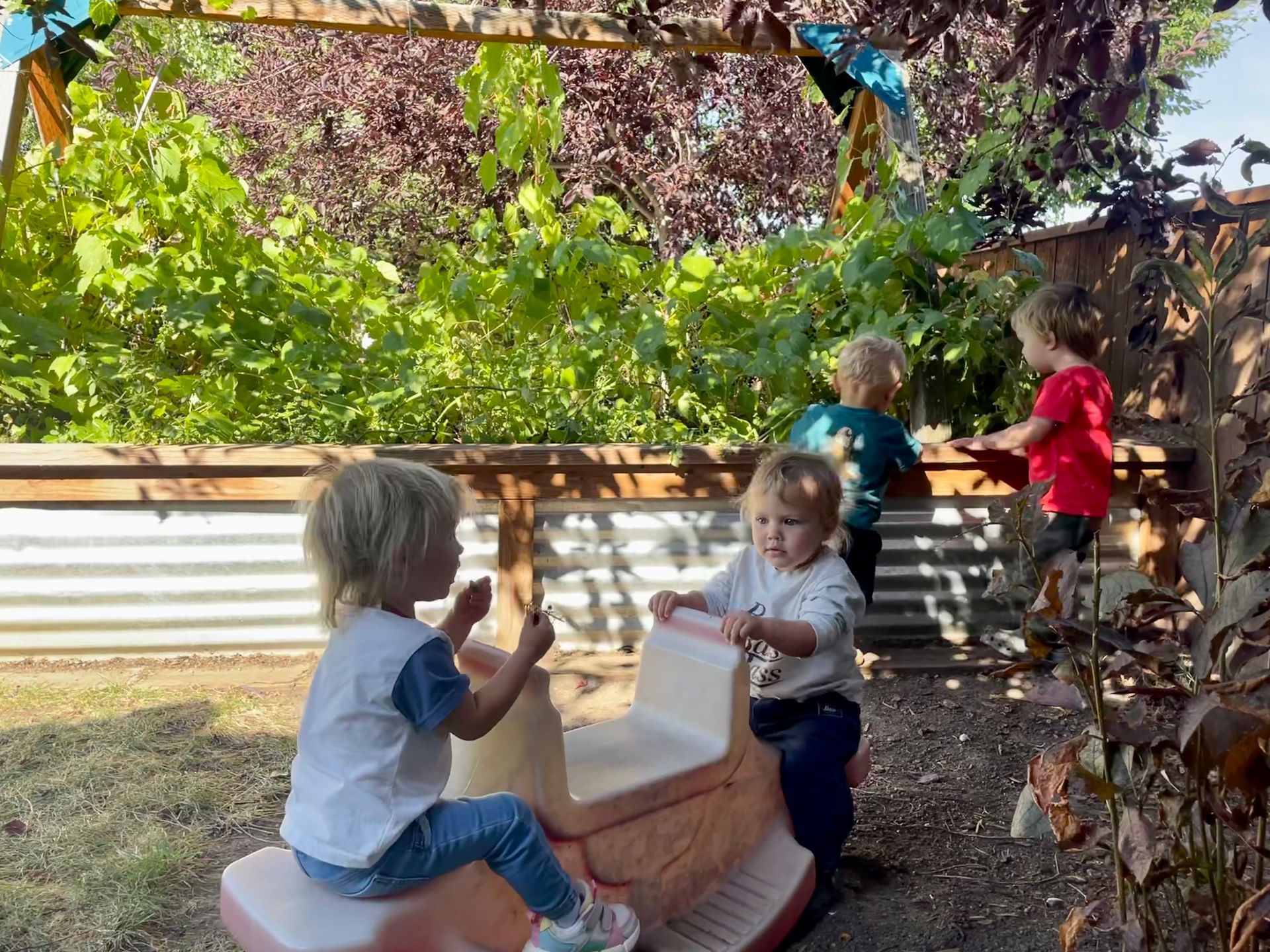
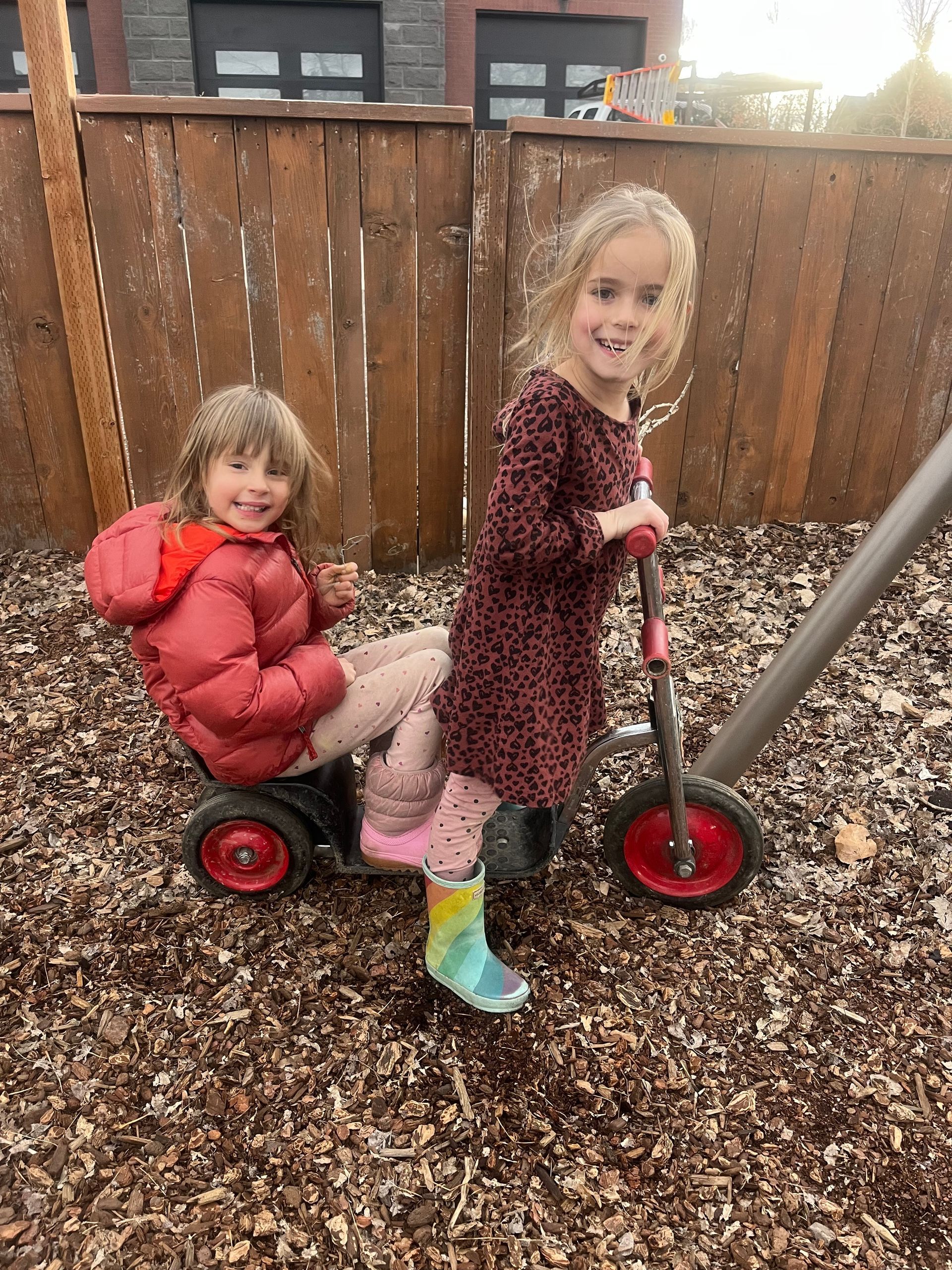
If your child is engaging with simple, natural materials in creative ways without an adult-dictated outcome, they are engaged in self-directed play.
Many modern toys are engineered for a single, rigid purpose. Consider a plastic toy train or a battery-operated dinosaur. While children can engage in imaginative play with them, the ways those objects can be used are limited by their design.
Now consider a simple wooden block, a smooth river rock, or a cardboard tube. The possibilities become endless! A tube can transform into a telescope, a megaphone, a rolling log, or a water chute.
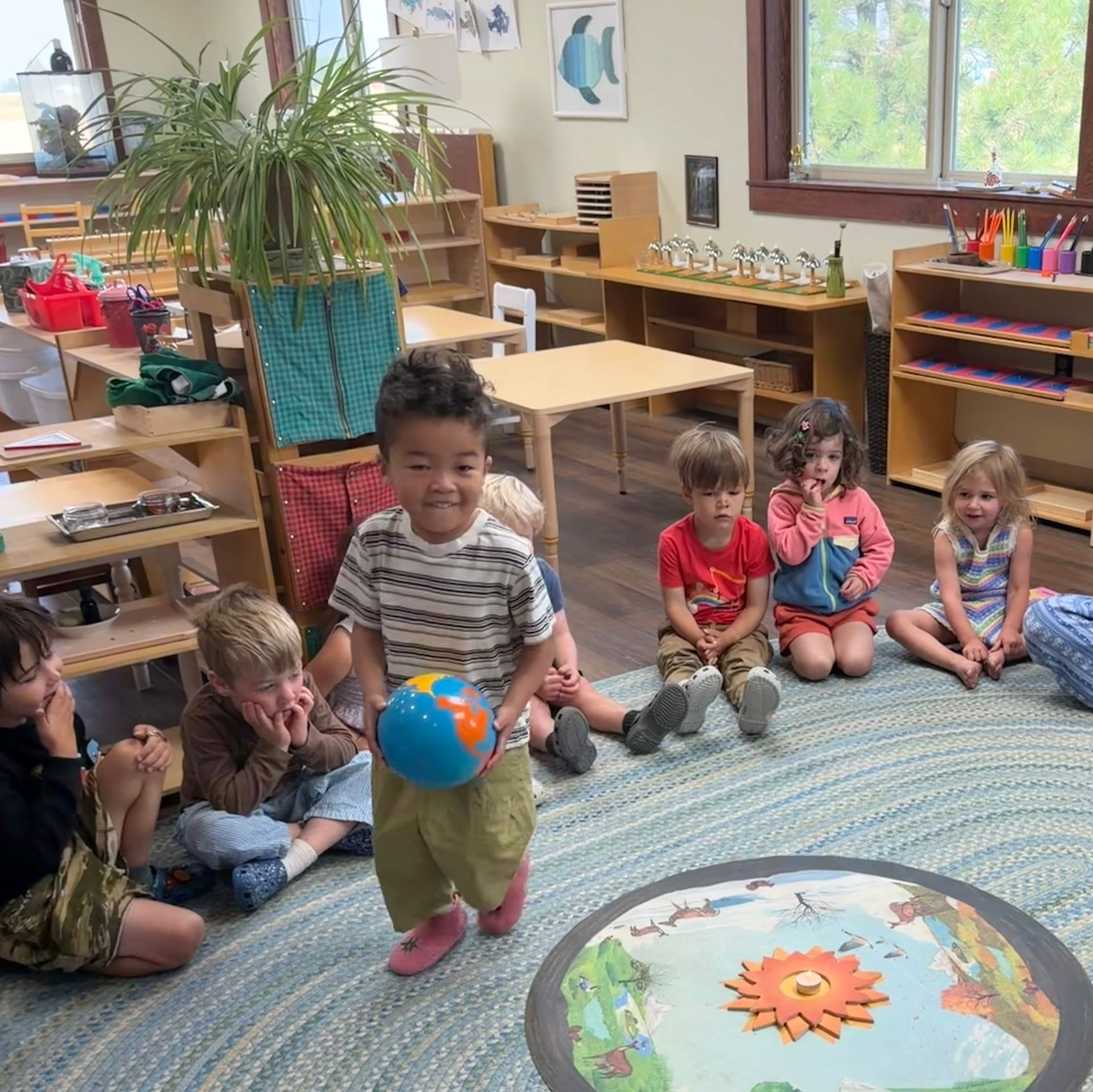
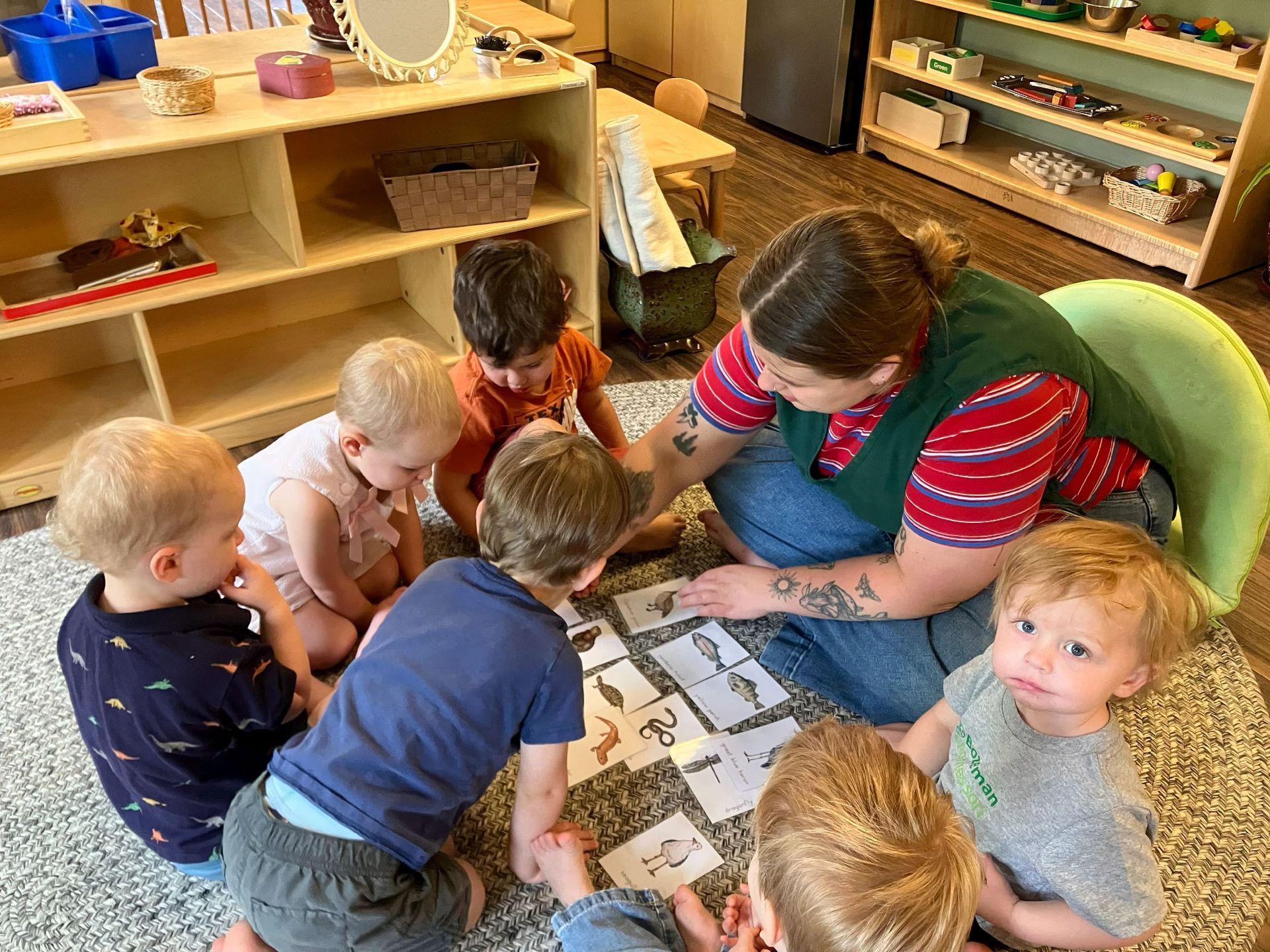
In Montessori environments, we offer children simple, high-quality, real-world materials. Think silk scarves, polished wood, clay, natural baskets, and items collected from nature.
When supporting self-directed play at home, the most important role for adults is stepping back and letting the child take the lead (within safe, consistent boundaries, of course!). As adults, our natural instinct is often to jump in, correct, or show the "right way" to use a material. Give yourself permission to observe. When we step back, observing the deep concentration and creative problem-solving of a child is truly extraordinary.
How Self-Directed Play Benefits Brain Development
- Builds Authentic Self-Confidence: By exploring independently, children discover what they can accomplish on their own. They establish their own games and rules, experiencing true personal success without needing adult approval.
- Encourages Functional Independence: One of our primary goals in Montessori is helping children develop the capacity to navigate their world independently. Self-directed play offers safe practice in choosing work, focusing deeply, and completing a cycle of activity.
- Stimulates Natural Innovation & Imagination: Open-ended materials require children to flex their creative muscles. They see possibilities others miss and develop original narratives and spatial concepts as they play.
- Fosters Critical Problem-Solving: Inventing rules and testing physical limits naturally leads to real-time problem-solving. Children learn to experiment, fail safely, adapt, and iterate until something works.
- Honors Individual Pace: Without adult-imposed timelines or artificial benchmarks, children build upon their own understanding day after day in ways that align with their exact developmental stage.
- Cultivates Intrinsic Motivation: When an activity is driven by internal curiosity rather than external praise or rewards, children connect with the innate joy of learning. They naturally push themselves to try complex ideas simply for the internal satisfaction of mastery.
Getting Started in Your Home Prepared Environment
If you are ready to encourage deeper self-directed play at home, here are a few practical ways to begin:
1. Choose Simple, High-Quality Materials
Focus on simple, tactile items made of natural materials: wood, cotton, glass, metal, and items found outdoors. Limit battery-operated, commercial, or plastic toys that do the "thinking" for the child.
Gather open-ended items that invite multi-faceted exploration:
- Smooth wooden blocks and planks
- Fabric squares or silk scarves
- Natural clay or homemade dough
- Baskets filled with items gathered from nature: pinecones, large river stones, sea shells, pieces of tree bark, and polished wood pieces.
2. Prepare the Physical Space
Children thrive in orderly, predictable spaces. Ensure your child has an uncluttered area with low, accessible shelves where materials are beautifully arranged in low baskets or wooden trays. Limit the total number of items available at one time; less clutter leads to deeper, longer periods of concentration.
3. Sit Back and Observe
Because self-directed play engages children deeply, it gives you time to complete your own daily work nearby. If you choose to sit alongside your child, refrain from directing or quizzing them. Simply offer your calm presence, allowing their imagination and focus to unfold naturally.
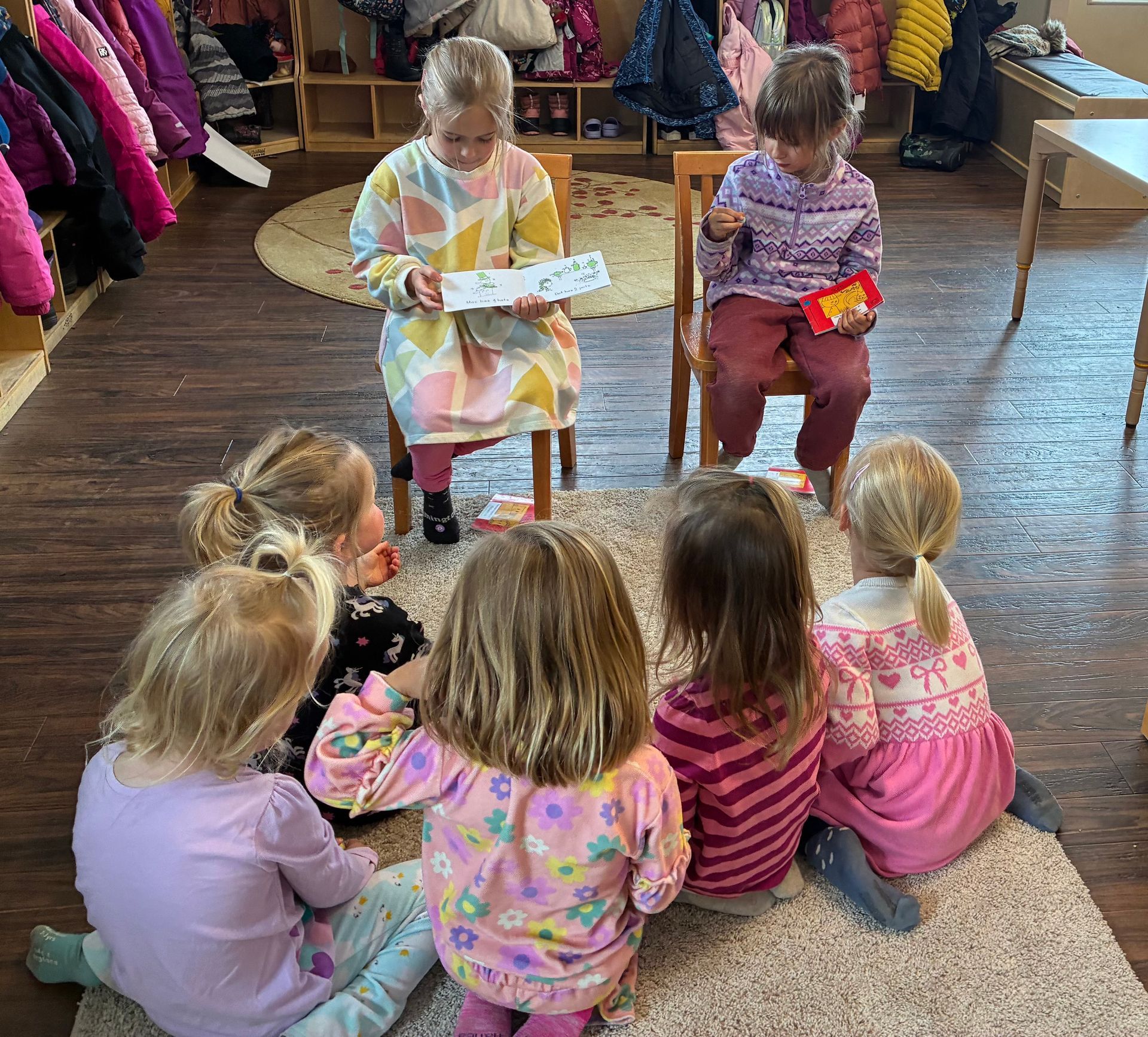
Curious to see how our prepared classroom environments foster self-directed learning, deep concentration, and grace in real time?
Schedule a visit
to explore our community!