Bouncing Back: Cultivating Resilience in the Early Years
Resilience—the capacity to adapt, recover, and grow through periods of difficulty or stress—is one of the most critical developmental capabilities we can support in a young child. While many factors influence how a child responds to hardship, resilience is not a fixed, innate trait. It is a living capacity that can be nurtured, strengthened, and practiced at any age.
In a Montessori environment, we view resilience through the lens of self-regulation, independence, and psychological safety. The encouraging news for parents is that you are likely already building these foundational pathways every day.
Here is how we can intentionally cultivate resilience in young children, both at school and within the home:
1. Connection as the Primary Anchor
Neurodevelopmental research consistently shows that the single most powerful factor in a child’s capacity to develop resilience is a stable, caring relationship with at least one reliable adult. When a child feels safe and deeply connected, their nervous system moves out of survival threat-detection and into a state where true learning and growth occur.
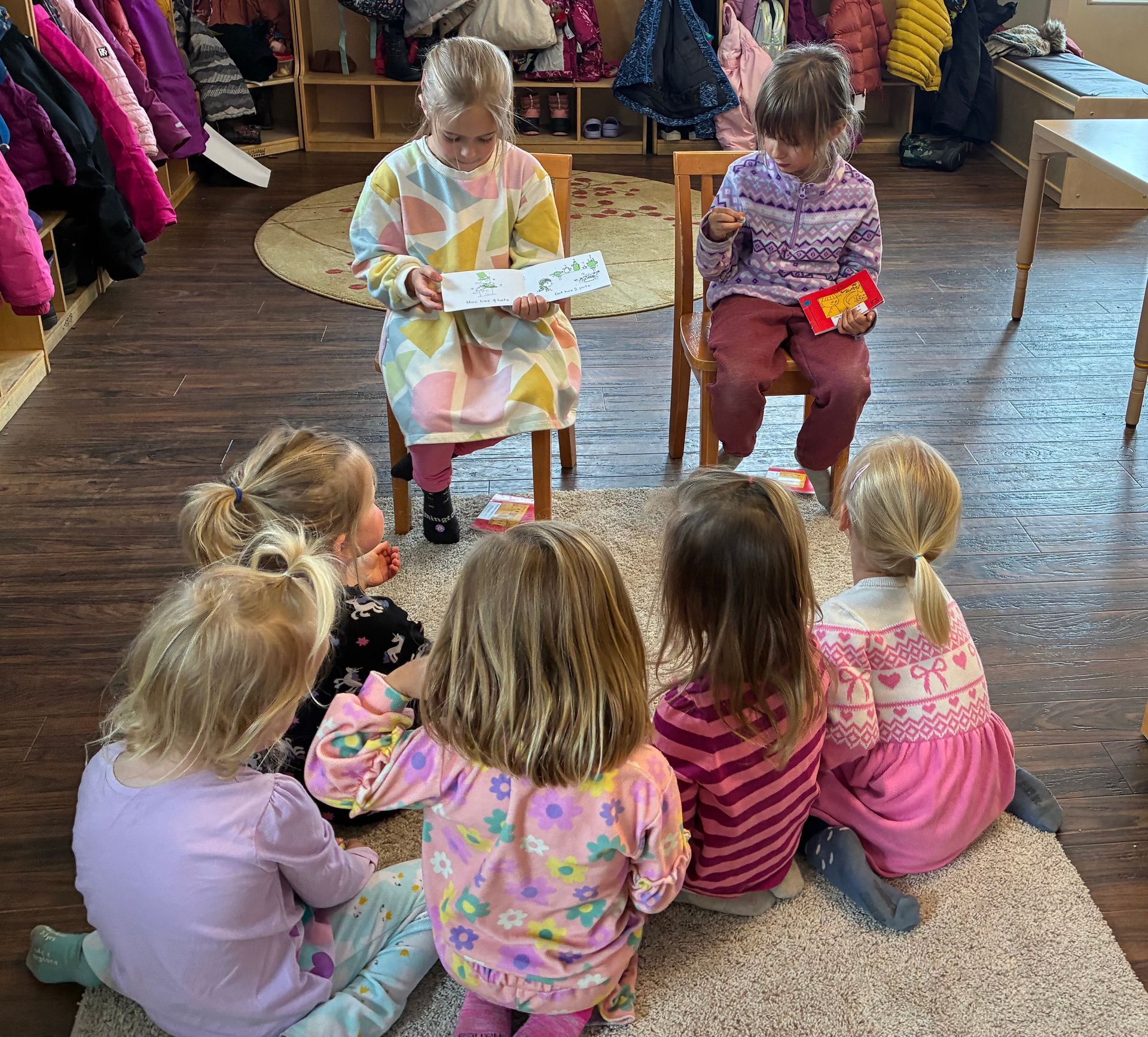
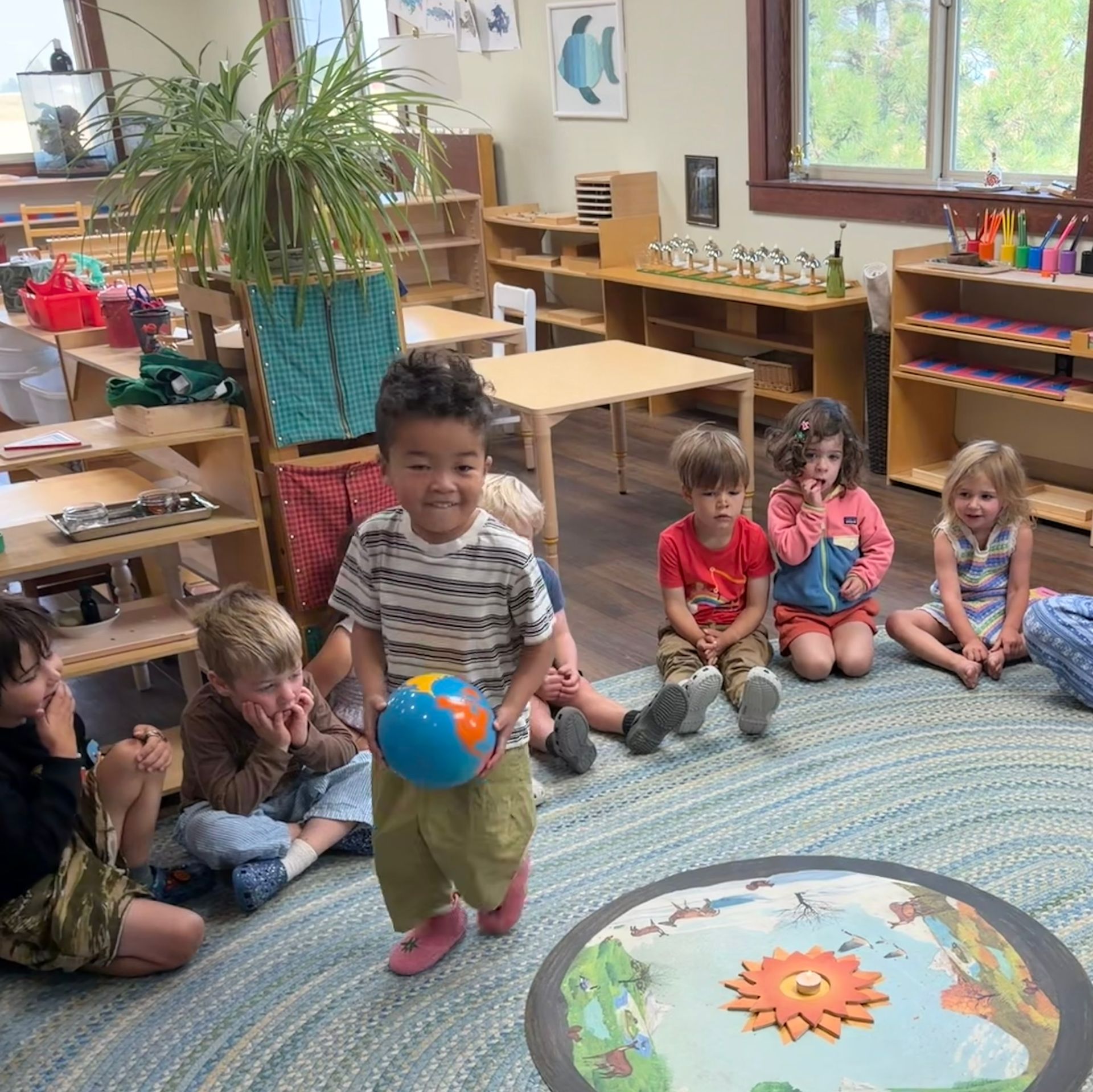
Beyond the primary parent-child bond, children benefit immensely from forming positive social connections with other trusted adults—such as their classroom guides—and with peers. Learning to navigate social dynamics, celebrate victories together, and lean on community during challenging moments teaches children that they do not have to carry difficulties alone.
2. Autonomy and Choice Within Limits
In Montessori, we place a profound emphasis on choice within limits. Children thrive when they experience a sense of personal agency and independence while resting safely within clear, consistent boundaries set by caring adults.
Structure and predictable routines give young children the safety they need to explore. When a child knows what to expect, their internal need for order is met, freeing up cognitive energy for self-direction and problem-solving.
Practicing Autonomy Across Ages:
- Toddlers: Offer a simple binary choice: "Would you like to wear the blue pants or the green pants today?"
- Primary (Ages 3–6): Invite choice within routine: "Would you like to brush your teeth first or put on your pajamas first?"
- Elementary & Beyond: Involve them in practical life responsibilities: "Here are the components of a balanced meal—what would you like to pack in your lunch today?"
When children feel in control of their own choices within safe limits, they build genuine self-efficacy—the deep-seated belief that they are capable of handling challenges.
3. Purposeful Work and Play
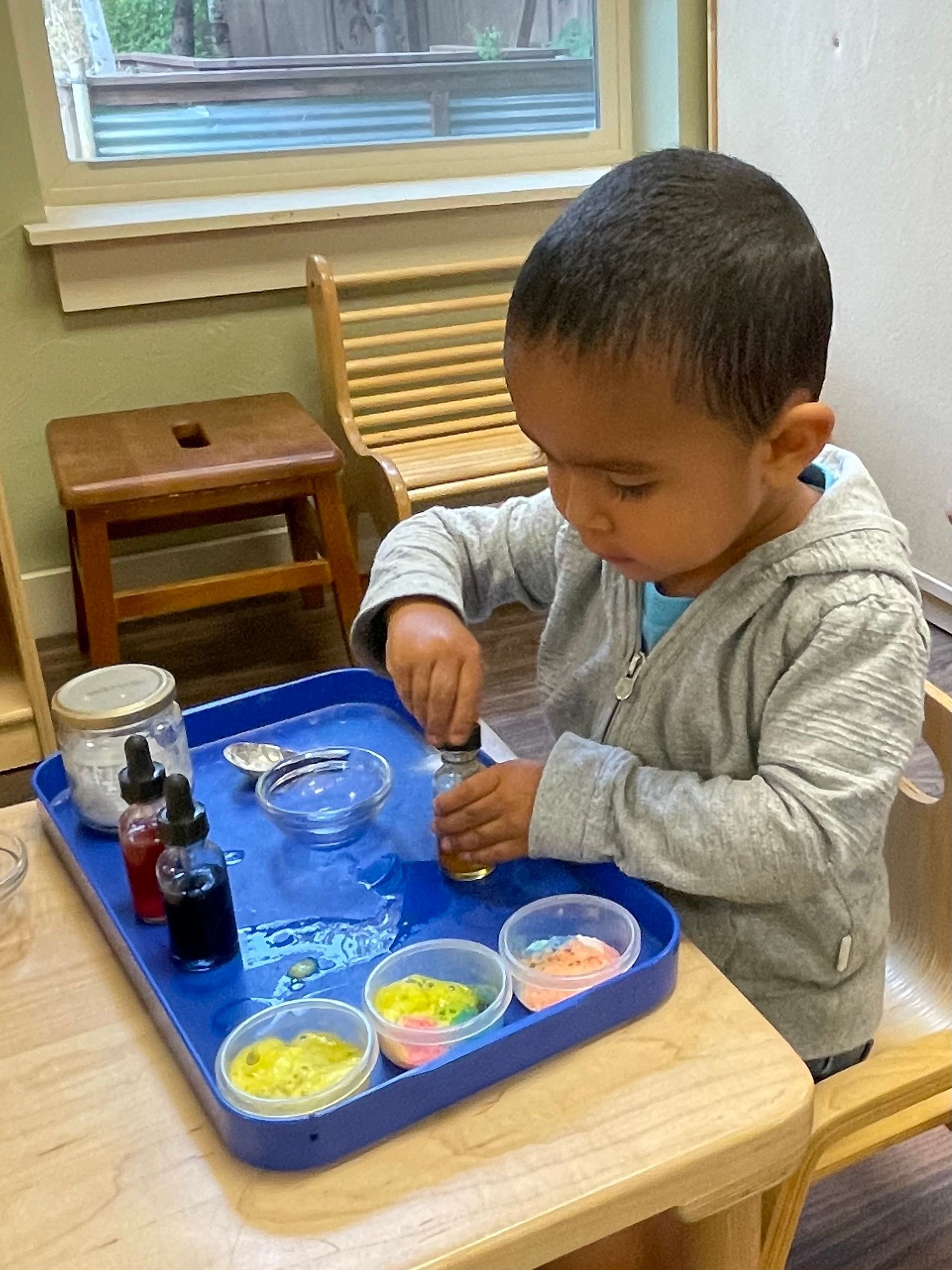
A rich, cognitively engaging environment provides natural opportunities for children to encounter mild frustration, problem-solve, and experience the satisfaction of mastery.
You can support this at home with simple, open-ended activities:
- Developmentally appropriate puzzles, board games, and strategy games.
- Constructive building materials like wooden blocks, marbles runs, or interlocking sets.
- Unstructured artistic exploration with simple, high-quality materials.
- Everyday physical activity, movement, and outdoor time in nature.
4. Modeling Grounded Positivity & Gratitude
Children absorb how adults frame life’s setbacks. Positivity and emotional regulation are primarily learned through modeling. When we encounter an unexpected change or minor hardship, staying calm and solution-oriented teaches children that setbacks are temporary problems to be solved, not overwhelming catastrophes.
During prolonged periods of stress, small daily rituals help anchor the family. Sharing a family meal where everyone reflects on one thing they are grateful for—or one moment of grace in a hard day—builds a habits-of-mind mindset centered on hope and perspective.
5. Teaching Coping Skills and Practical Life Self-Care
What tools keep you grounded when life feels overwhelming? Deep breathing, movement, stepping away for a quiet moment, or working with your hands?
We can proactively introduce these self-regulation tools to young children during calm, neutral moments rather than in the middle of a meltdown. Practicing a slow breath, stepping into a cozy quiet corner, or engaging in a calming Practical Life task (like polishing wood, watering a plant, or scrubbing a tray) equips the child with real, accessible tools when frustration arises.
Cultivating resilience is a continuous journey of presence, trust, and connection. Every time you offer your child a calm, stable anchor during a storm, you are helping them build the neural architecture to handle whatever life brings.
To learn more about how our Primary and Pre-Primary classrooms foster independence and resilience, we invite you to
schedule a tour.