Human Tendencies: Why Montessori Still Feels So Relevant
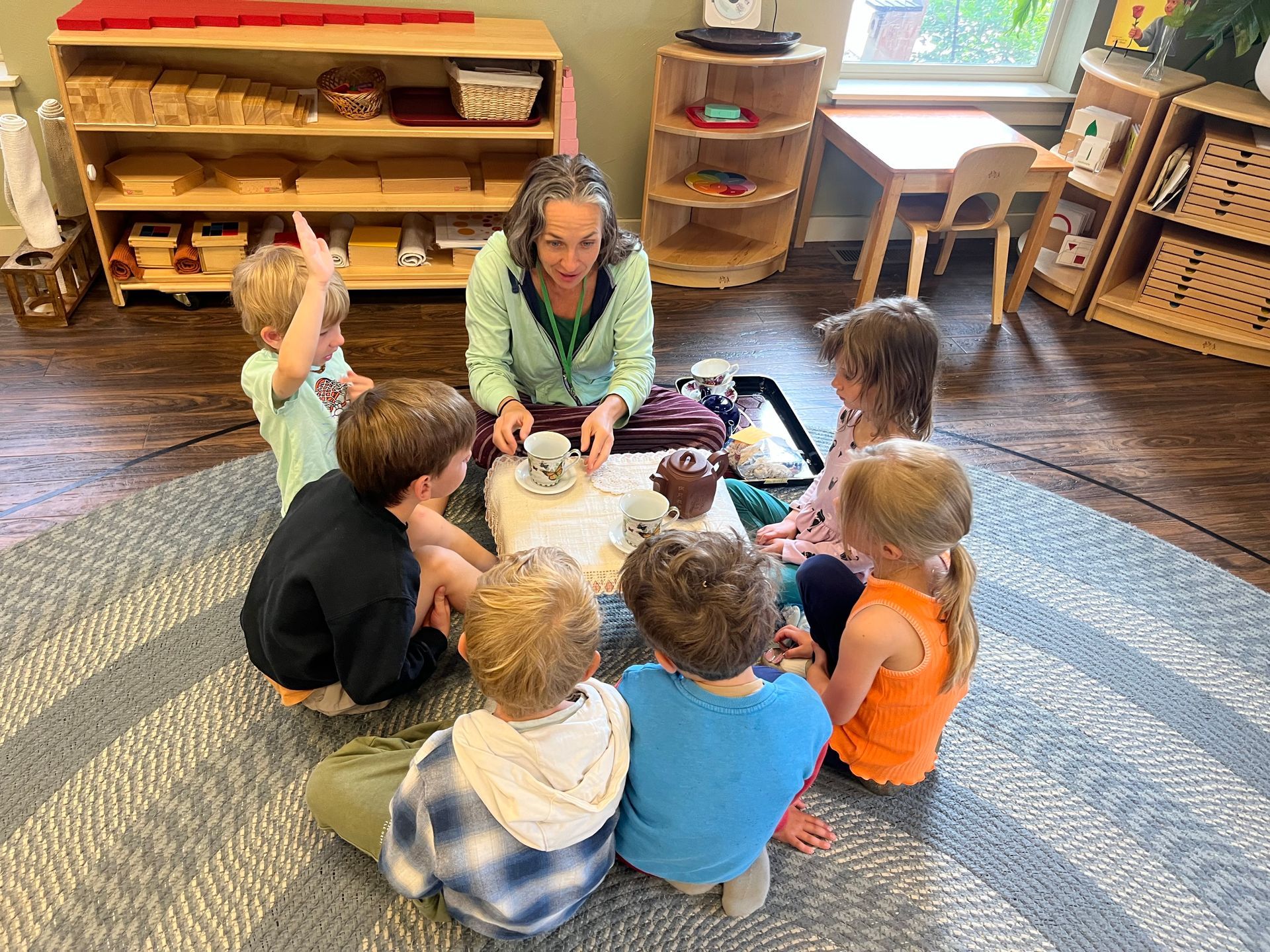
When Dr. Maria Montessori was observing children’s development, she wasn’t just focused on how they learn in the classroom. She was curious about the drives, instincts, and patterns that have shaped humans across time.
These human tendencies are the forces that have guided our species since the very beginning, helping us adapt, survive, and thrive. And when we recognize them in children, we can create environments that don’t fight against human nature, but flow with it.
Here’s a closer look at some of these tendencies, and how they show up in both history and our children’s lives.
Orientation
At its root, orientation literally means turning toward the east and the rising sun. For early humans, orientation meant survival through knowing where to find water, food, or shelter, as well as recognizing the stars and using them to navigate.
As adults, we still crave orientation when we move to a new place, start a new job, or even visit an unfamiliar store. We rely on guides, rituals, and familiar touchstones to help us settle.
Children, too, need orientation. The way they’re welcomed on their first day in a classroom, where they put their belongings, what routines they can count on—all of this helps them feel secure. Even a simple “good morning” is a daily act of re-orientation that matters more than we sometimes realize. Children look for orientation in daily rhythms: the bedtime routine, knowing which shelf holds their favorite books, or even how breakfast is served each morning.
Exploration
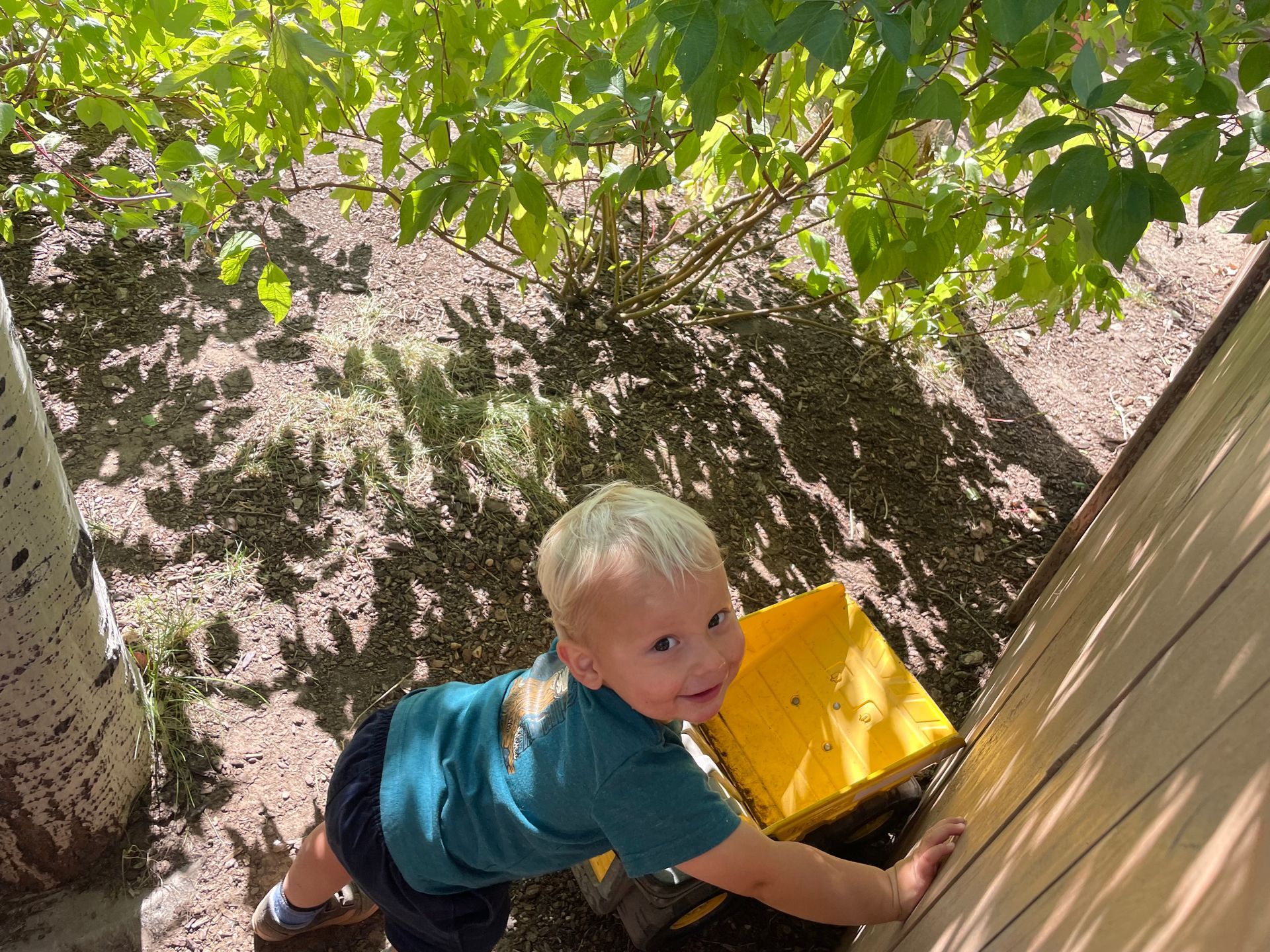
From the moment we are born, we explore. Infants use their mouths, eyes, and hands. Toddlers climb stairs like they’re scaling mountains. Older children explore through research, imagination, and adventures into both history and science.
Exploration is how humans pushed across continents, learned to farm, crossed oceans, and now even travel into space. Our curiosity never stops. Montessori environments honor this by giving children real opportunities to investigate the world, whether that means calculating the area of the classroom or researching life in the Carboniferous period. We see our children exploring as they turn over rocks in the backyard, take apart a toy to see how it works, or invent new rules for a favorite game.
Order
We all know the relief of an organized kitchen drawer or a well-structured calendar. Order helps us make sense of life. For early humans, ordering the world by figuring out what was safe versus unsafe or edible rather than poisonous ensured survival.
Young children need physical order. Anyone who’s seen a toddler melt down because their bedtime story was read “out of order” or because the blanket wasn’t arranged in just the right way knows this is real. Montessori classrooms respect this sensitive period by offering environments that are consistent and predictable. At home, you may notice your child lining up toy cars, insisting on a particular bedtime ritual, or sorting stuffed animals by size.
By the elementary years, order shifts into the mental realm. Children now want to classify animals, chart types of mountains, or debate the “rules” of their group. They’re learning not just order in things, but order in ideas, logic, and morality. You’ll see this at home when children organize their collections, invent complicated rules for backyard play, or argue passionately about fairness.
Self-Control
Self-control has always been key to survival. Hunters had to move silently. Communities relied on cooperation. Today, self-regulation is one of the biggest predictors of success in school and life.
In Montessori environments, self-control grows naturally: waiting for a material to become available, choosing the right time to speak, or practicing social courtesies. When children find deep concentration in meaningful work, that sense of inner discipline blossoms. We may notice our children waiting patiently to blow out birthday candles, saving allowance for a bigger purchase, or calming themselves after a disagreement with a sibling.
Imagination
Imagination isn’t just for artists. It’s what allowed early humans to picture tools before they were built, imagine migration routes, or dream up stories around a fire.
For children, imagination expands exponentially in the elementary years. Suddenly, they’re not only absorbing the world, they are imagining other worlds. Dinosaurs, outer space, ancient civilizations, atoms…nothing is off-limits! Montessori taps into this by giving children the universe itself as their curriculum. Imagination at home might unfold through elaborate pretend play, story writing, or inventing new games with household objects.
Abstraction
Abstraction is the ability to pull an idea from an experience. Early humans drew symbols on cave walls. Today, we live in a world of abstractions: math, laws, justice, and freedom.
Children naturally move toward abstraction, but only after being fully grounded in hands-on experience. Montessori materials are designed as “materialized abstractions,” allowing children to build concepts with their hands before holding them in their minds. We see children developing abstraction when they begin to understand time (“after lunch,” “in three days”), use symbols in drawing or writing, or play games that rely on imaginary rules.
Activity, Work, Movement, and Experience
Humans are doers. From stone tools to skyscrapers, everything we know about early humans comes from their work. Dr. Montessori believed, echoing Kahlil Gibran, that “work is love made visible.”
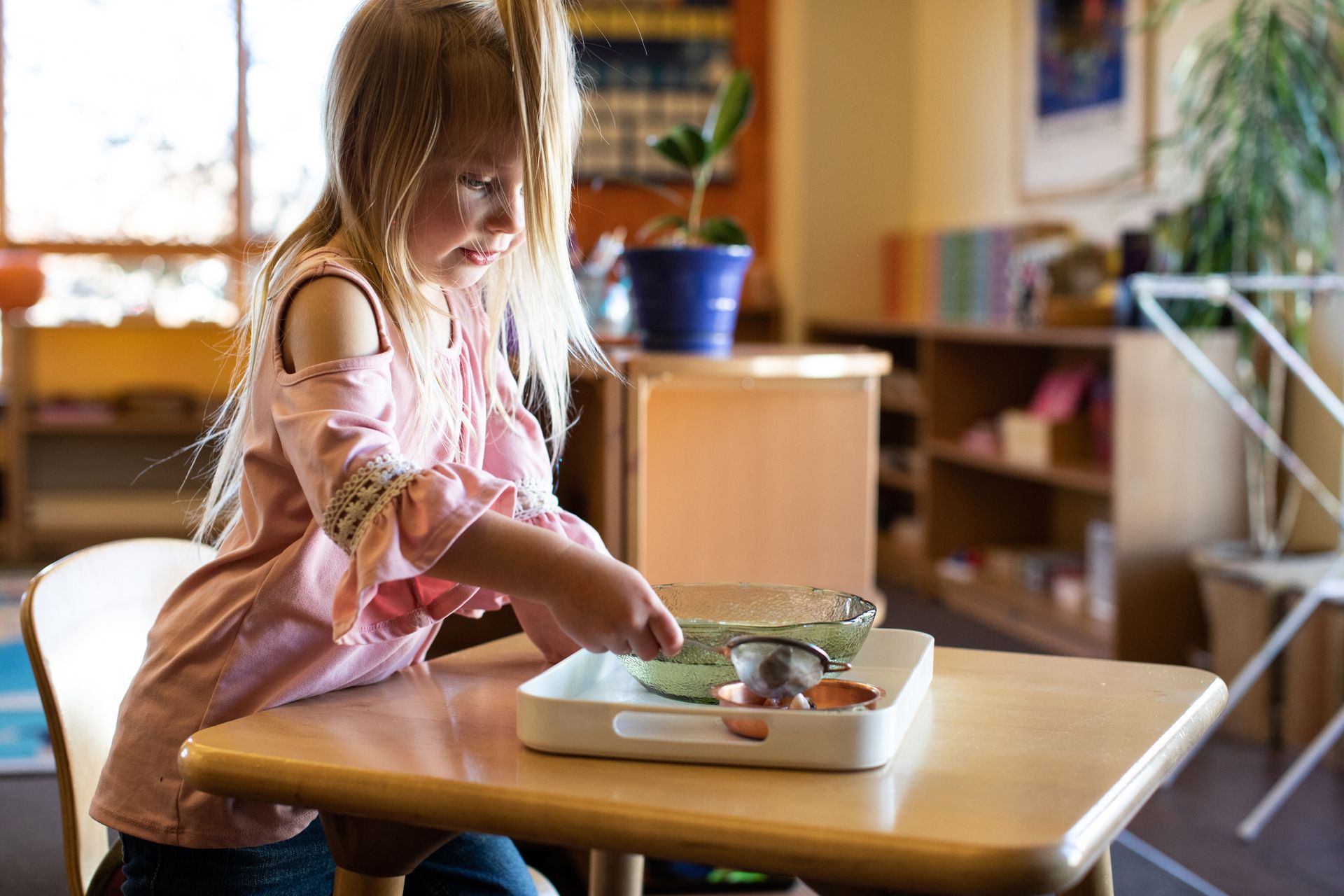
For children, work isn’t drudgery. Rather, work is joy. Whether pouring water, building long math equations, or researching volcanoes, children grow through purposeful activity. Movement is not a distraction from learning, but a pathway into it. Children eagerly help bake, sweep, carry groceries, or build forts. This is joyful work that feels both purposeful and fun.
Repetition
Watch a toddler stacking blocks again and again, or a preschooler repeating a pouring exercise 40 times in a row. Repetition for young children is how they achieve a deep sense of mastery.
Older children still repeat, but they do it differently. They elaborate, amplify, and push concepts further: instead of practicing small sums, they’ll dive into giant multiplication problems just for the thrill of it. At home, this shows up when our children want the same story read every night, practice a cartwheel over and over, or endlessly build new versions of the same LEGO design.
Exactness and Self-Perfection
Humans have always needed exactness, whether it was a sharp spear or a stable bridge. Children share this drive. They beam when their handwriting is neat, or when they finally get something just right.
Linked to exactness is the tendency toward self-perfection. Children don’t just want to do it. They want to do it well. You see this tendency in the toddler learning to zip a coat, the elementary child striving to be fair, or the adolescent wrestling with big moral questions. The tendency shows up when our children insist on re-tying their shoelaces until they’re perfectly even, redoing a drawing until it’s just right, or correcting themselves when they mispronounce a new word.
Communication and Belonging
At the heart of it all is our need to connect. Communication, whether through language, art, music, or technology, has always been how we share knowledge and emotions. Belonging is what makes us human, and we create this connection in various ways, joining together in families, tribes, clubs, or communities.
Children live these tendencies out loud. They talk endlessly, write stories, create clubs, and invent games. Classroom and family rituals, shared meals, whispered secrets between siblings or friends help children know they belong.
Why This Matters
These human tendencies remind us that education isn’t about filling children with information. It’s about nurturing what is already inside them.
When Montessori said we should “follow the child,” she wasn’t suggesting we leave them to wander aimlessly. She meant we should pay attention to these deep, universal drives and prepare environments where these drives can manifest in positive ways.
Because when children’s natural tendencies are honored, they don’t just learn. They grow into the kind of humans who can orient themselves in a new world, explore with curiosity, build with order, imagine boldly, and belong with others in peace.
Visit our school here in Bozeman, MT, to see how Montessori deeply connects with what it actually means to be human so that children can flourish in beautiful ways!