Schedule the Unscheduled: Why Downtime Deserves a Spot on Your Summer Calendar
The emails start arriving in February. Summer camp registrations. Enrichment programs. Sports clinics. By March, many parents find themselves hunched over laptops, credit cards in hand, playing Tetris with their family calendar—trying to fill those long weeks between June and August with enough structure to keep the dreaded words at bay: “I’m bored.”
But what if boredom isn’t the enemy we’ve made it out to be?
As a parent, I understand the impulse. Summer stretches ahead like an endless prairie, and the fear of managing your work commitments or running out of activities can feel real. We worry our children might waste these precious months glued to screens, or that we’ll fail them somehow if we haven’t curated the perfect balance of exploration and adventure.
I know this pressure intimately. For much of my children’s growing-up years, I was a single parent working as a Montessori teacher and administrator. Piecing together enough camps so I could keep up with my own job was challenging—logistically, financially, and emotionally. I’ve lived the calendar Tetris, the guilt when camps didn’t align with my work schedule, the exhaustion of trying to make it all fit. So when I suggest we might be overbooking our children’s summers, I’m not speaking from some idealized position of abundant time and resources. I’m speaking from the trenches.
Yet somewhere between doing nothing and doing everything, we’ve lost sight of what summer used to be—and what our children actually need.
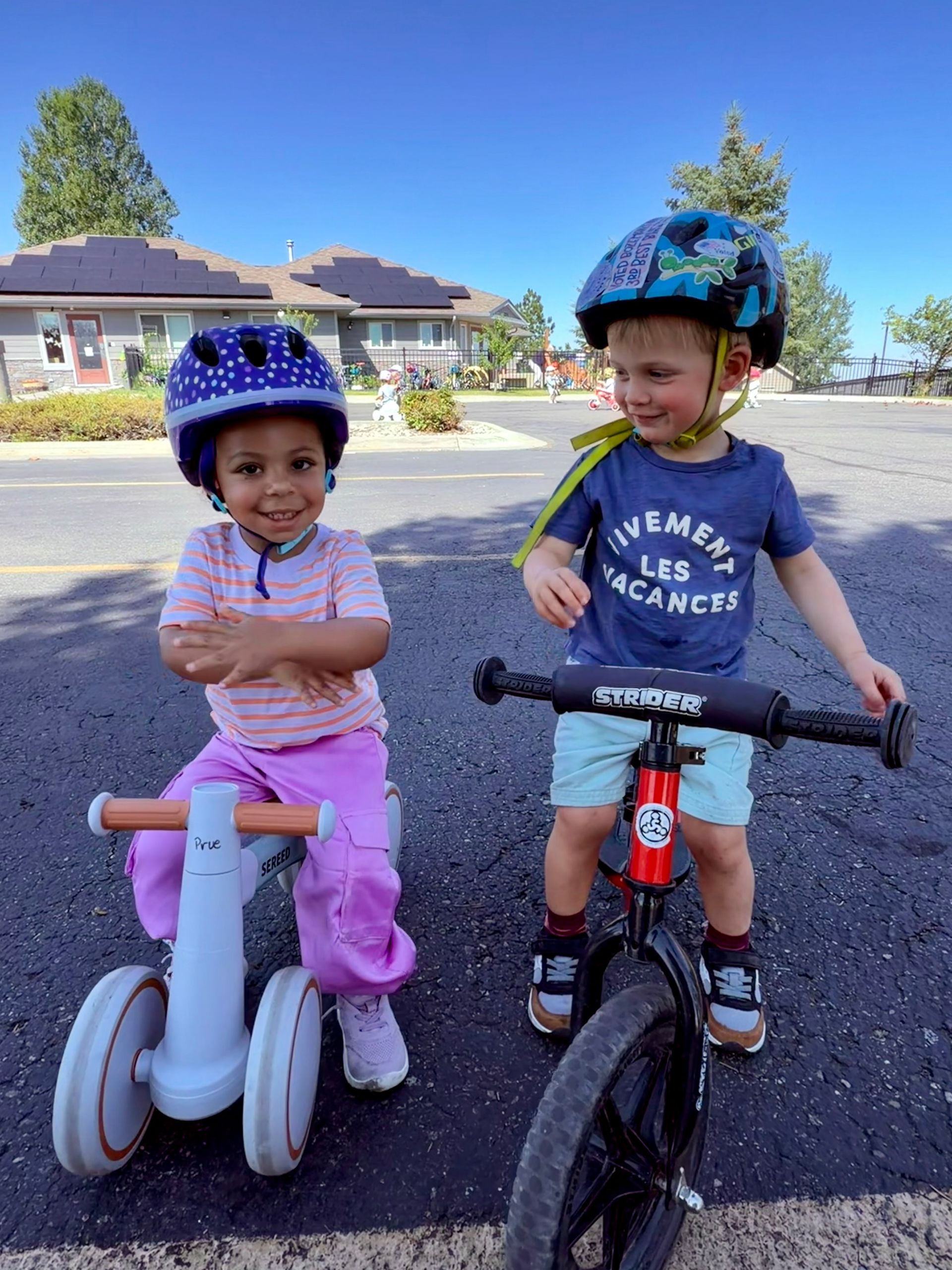
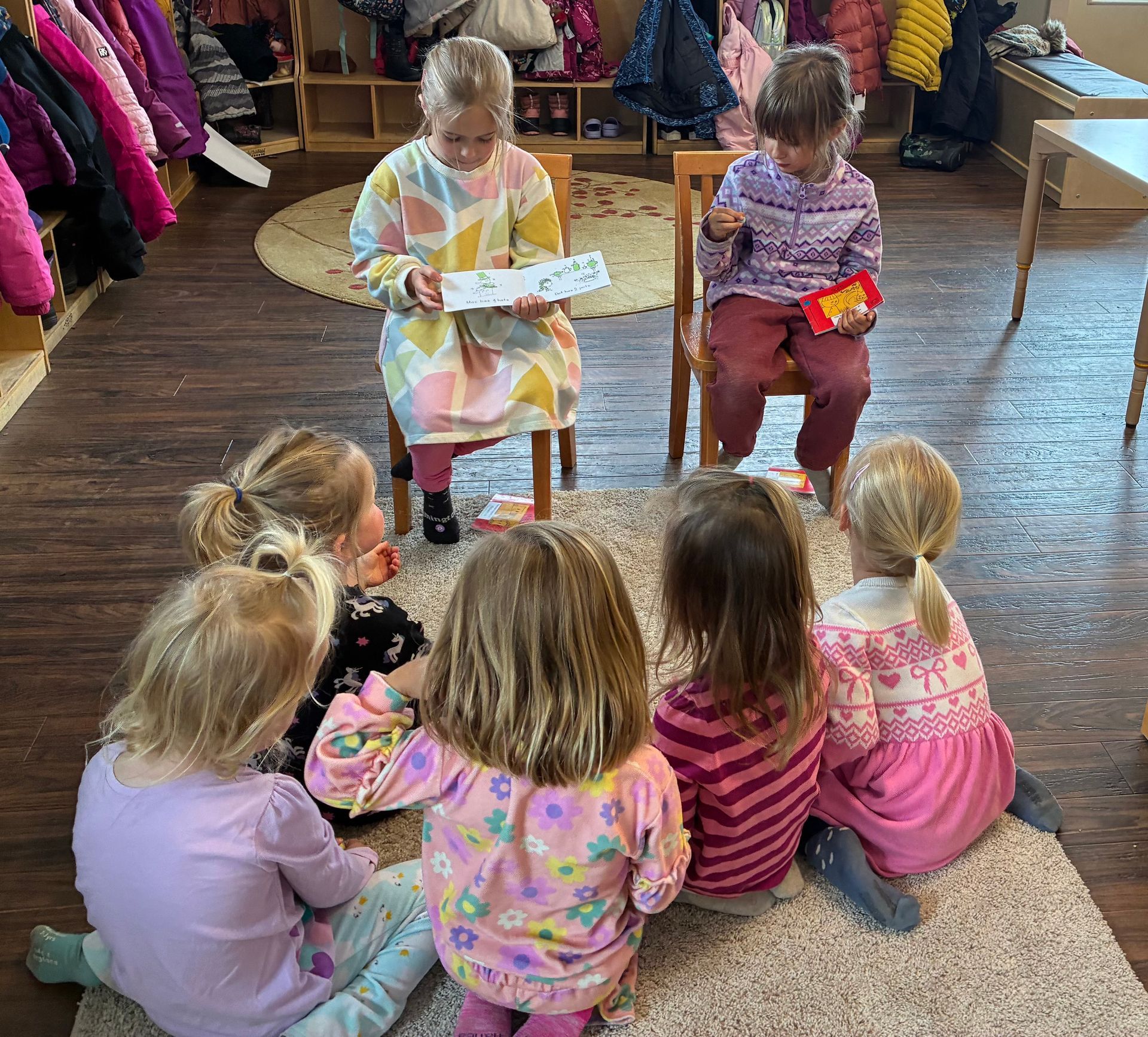
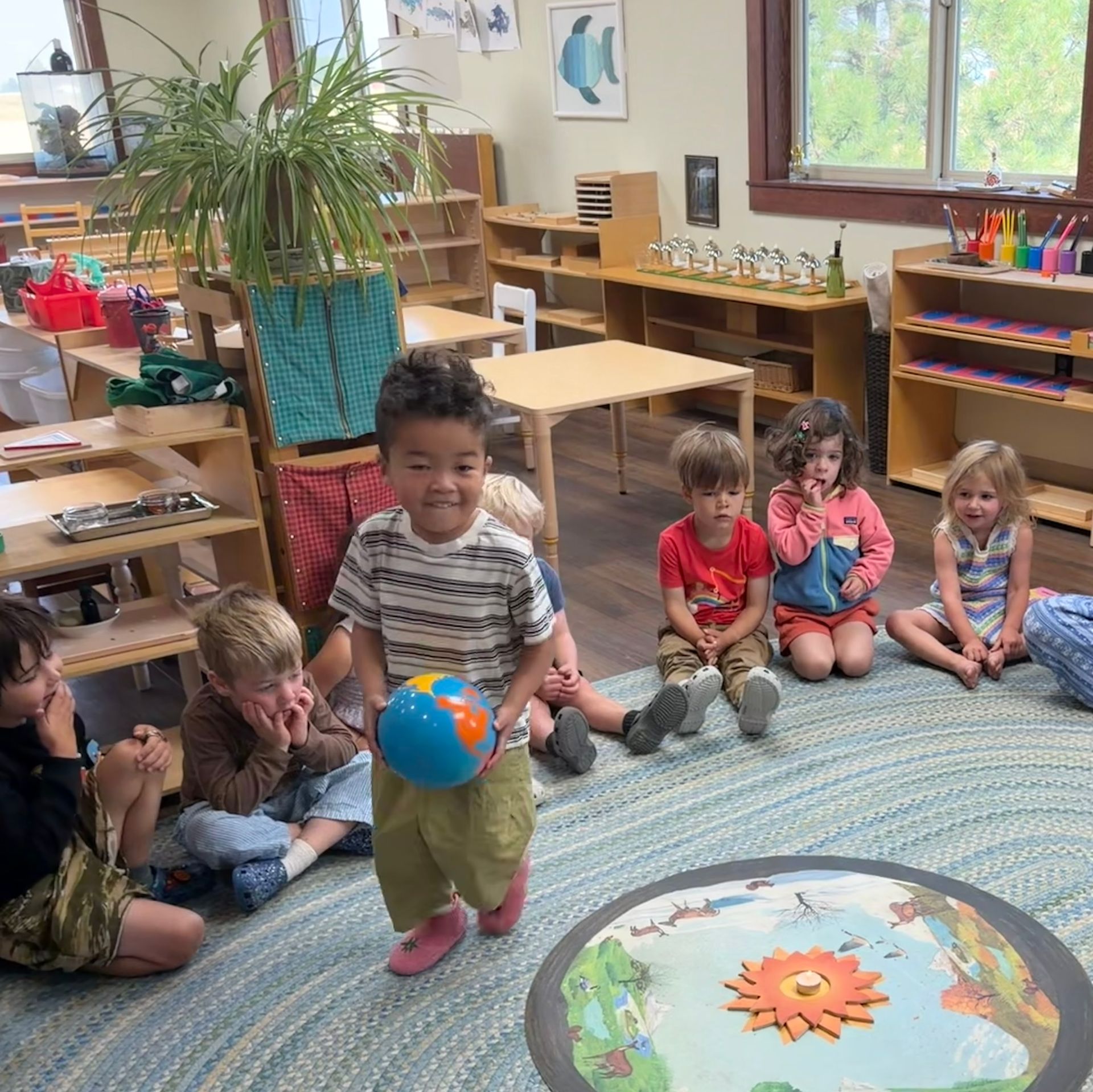
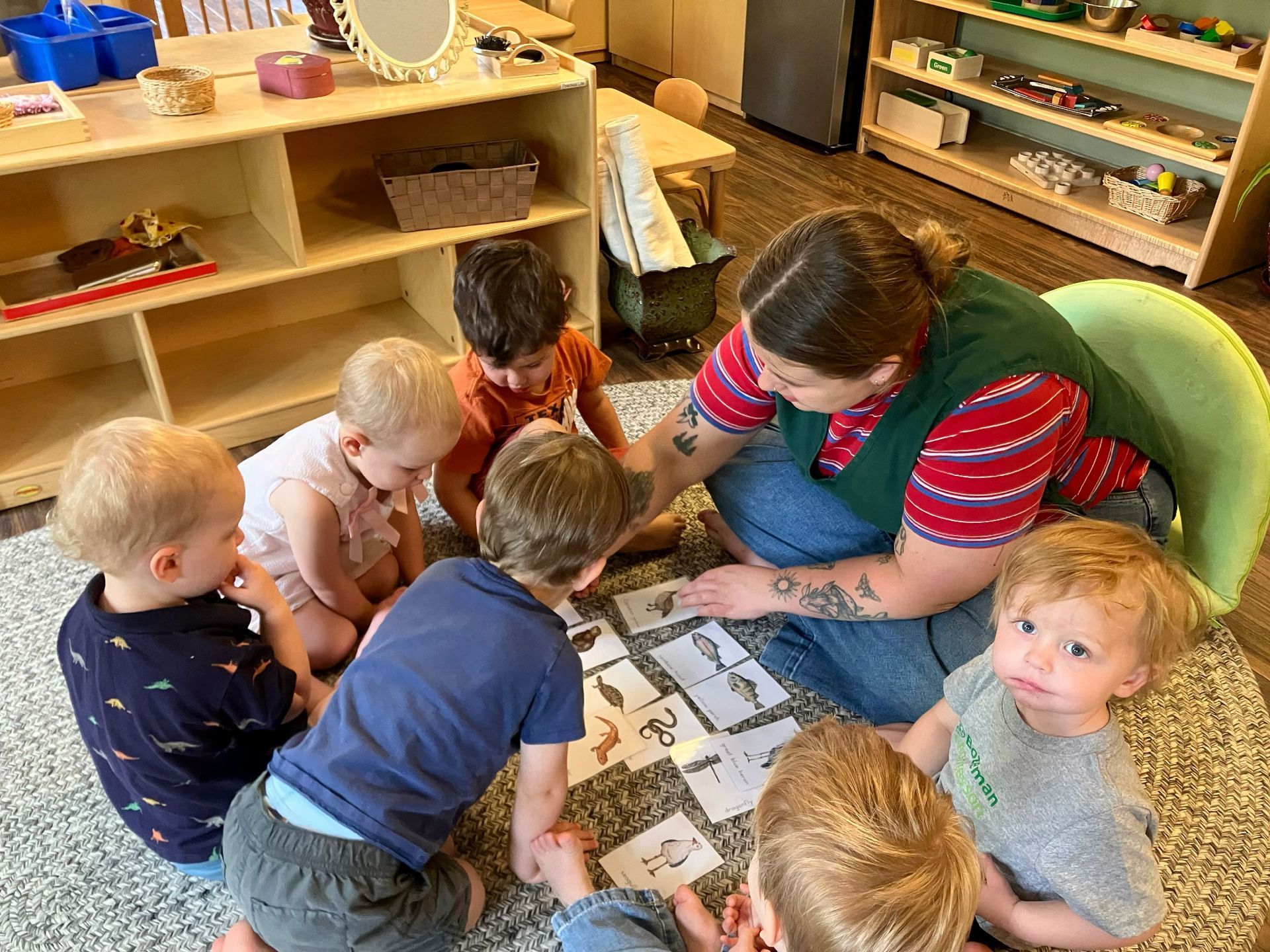
This isn’t an argument against camps. Montana offers great options. My own school, Bozeman Montessori, offers creative, weekly themes parents can opt in or out of. Many camps like ours provide experiences our kids genuinely love. The issue isn’t the programs themselves; it’s the compulsion to eliminate every gap, to ensure our children are constantly engaged and entertained. In our well-intentioned efforts to give them “the best summer ever,” we risk giving them something else entirely: exhaustion, overstimulation, and with it, the loss of something irreplaceable–their ability to simply be.
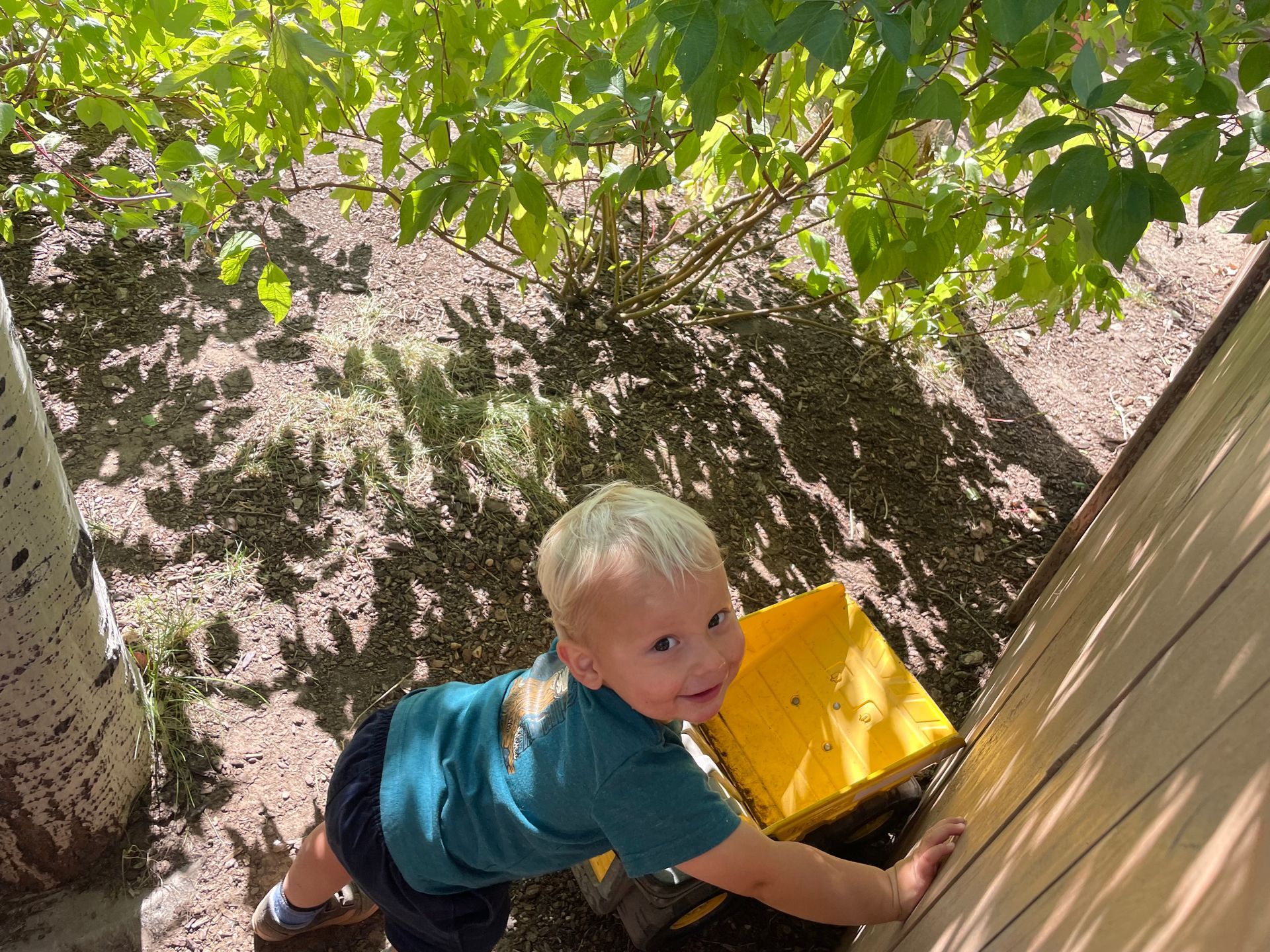
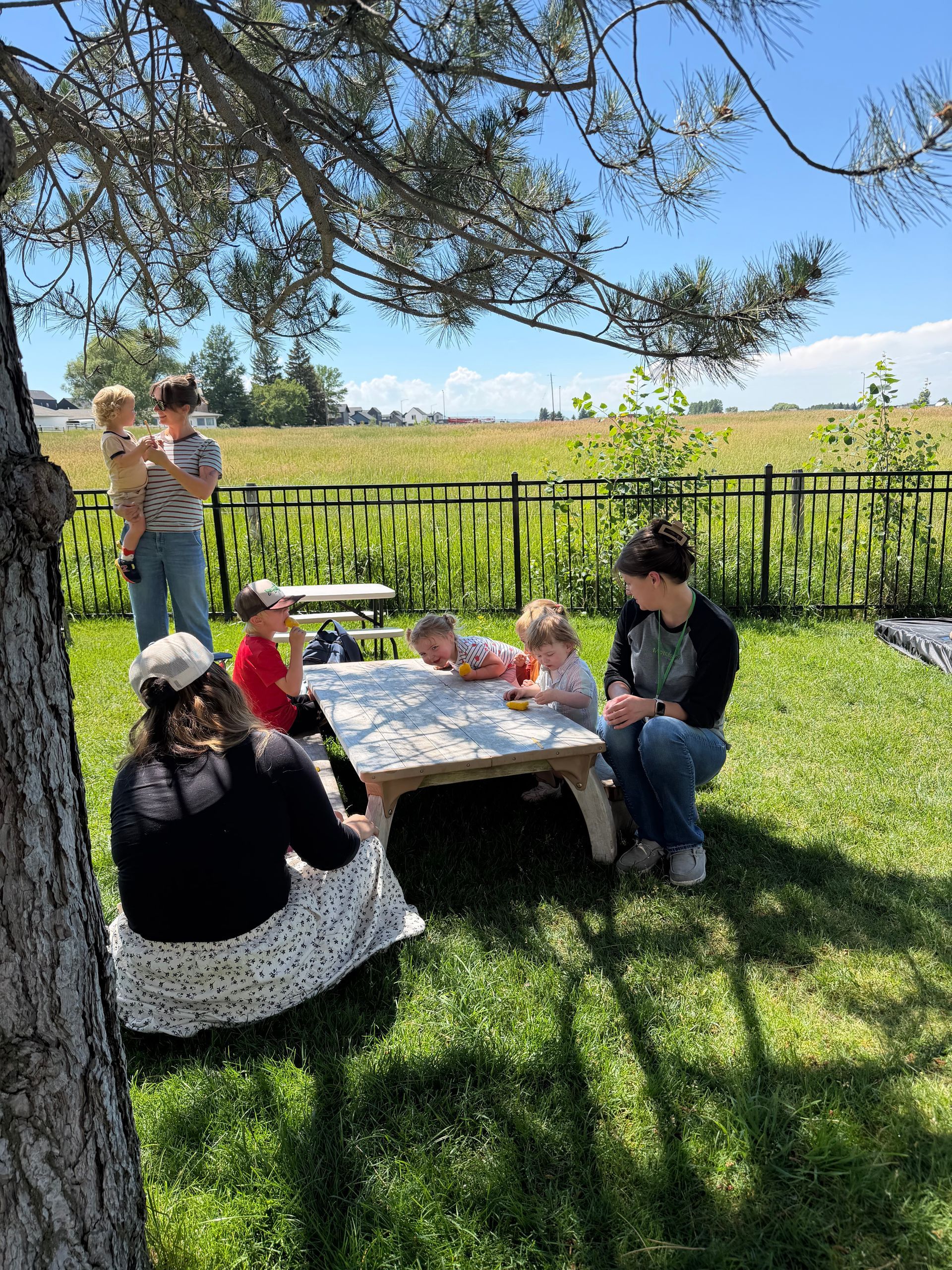
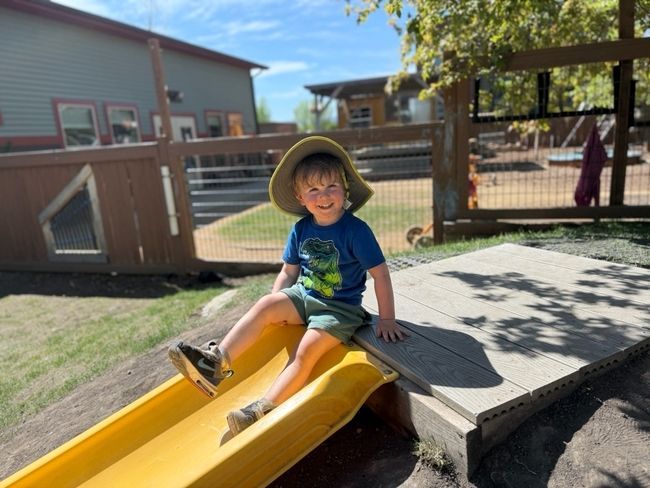
When children have space to be bored, something remarkable happens. After the initial restlessness passes, creativity emerges. A stick becomes a fishing pole, a walking staff for an imaginary quest. A cardboard box transforms into a fort, a rocket ship, a secret clubhouse. The backyard—the same backyard they’ve known their whole lives—suddenly reveals hidden possibilities when they have time to truly explore it.
Research shows that unstructured time allows children to develop their capacity to generate ideas and direct their own play. But this capacity requires practice, and practice requires time—time we’re not giving them when every moment is spoken for and adult-directed.
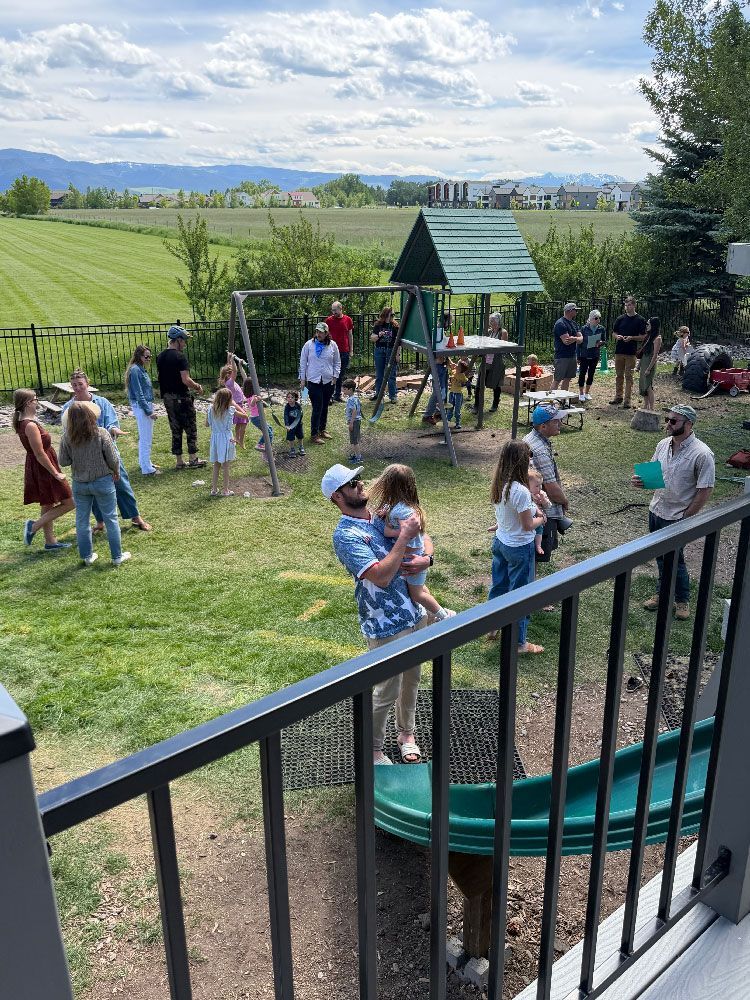
Here in Montana, we’re particularly fortunate. Summer isn’t just a season; it’s sacred. Our children don’t need to travel to experience wonder—it’s in the creek at the park, in the mountains visible from the kitchen window, in the seemingly endless daylight that stretches past bedtime. Yet how often do we actually let them sink into that wonder without an agenda of activities?
I’m proposing something practical: that we protect some of that open space on our calendars. That we choose our camps thoughtfully and then schedule breathing room around them if we can.
An afternoon at the local park isn’t a placeholder until something better comes along. Building a fort from couch cushions isn’t what happens when we can’t afford “real” activities. These moments are the point. They’re where children learn to navigate conflict with siblings or neighbors, to negotiate rules in their own games, to discover what actually interests them when no adult is directing the show.
This summer, what if we intentionally blocked out unstructured time and defended it as fiercely as we defend soccer practice? What if, instead of frantically filling the calendar, we asked our children what they’re actually curious about and built from there?
The message we send matters. When we pack every moment, we inadvertently teach our children that our worth lies in constant productivity, or that empty time is to be avoided. So yes, sign up for that one camp your daughter keeps mentioning. Let your son do the sports clinic if he loves it. But then? Leave some afternoons open, or maybe carve out a Friday. Schedule blocks of nothing. Stock up on art supplies and old blankets for fort-building. Your children might complain of boredom. Let them. Sit with the discomfort of not fixing it immediately. What emerges on the other side—the games they invent, the projects they devise, the way they learn to be with themselves—that’s not just enough. That’s pure Montana gold.