From the Inside Out: Finding Our Personal Best the Montessori Way
As the snow melts in the mountains and Montana’s fields turn green this past April, many of our children are swapping winter boots for cleats. In the Montessori tradition, we look at physical development and movement through a wider lens than just team sports—one that also champions the internal development of the child as much as any external scoreboard.
The Foundation: Character Development
Dr. Maria Montessori wrote extensively about Grace and Courtesy. While these might sound like simple lessons in social-emotional development, they are actually the bedrock of character development. In a Montessori environment, we cultivate a non-competitive atmosphere not to avoid challenge, but to foster teamwork, cooperation, and friendship which are all strong predictors of lifelong happiness, something we all want for our kids.
When a child learns how to let someone go first, or how to offer help to a peer, they are practicing the same self-regulation required in many team sports, even if it looks a little different on the field. We also believe that every child has a unique gift to give. As they grow, those gifts may manifest in drama, speech and debate, or varsity sports. However, the "win" isn't in the trophy; it’s in exploring their potential and the refinement of the human spirit. All of the skills they learn in these early years help shape the adults they will become.
Understanding the Self: The Proprioceptive Journey
In Early Childhood, "sports" look a lot like self-discovery. Before a child can effectively pass a ball to a teammate, they must understand where their own body exists in space—a concept known as the proprioceptive sense.
We use specific language to help children tune into their bodies. You might hear a Montessori guide ask:
- "Are you feeling floppy today?"
- "Do you need some movement to help your brain come 'online'?"
- "Does your body need a little challenge right now?"
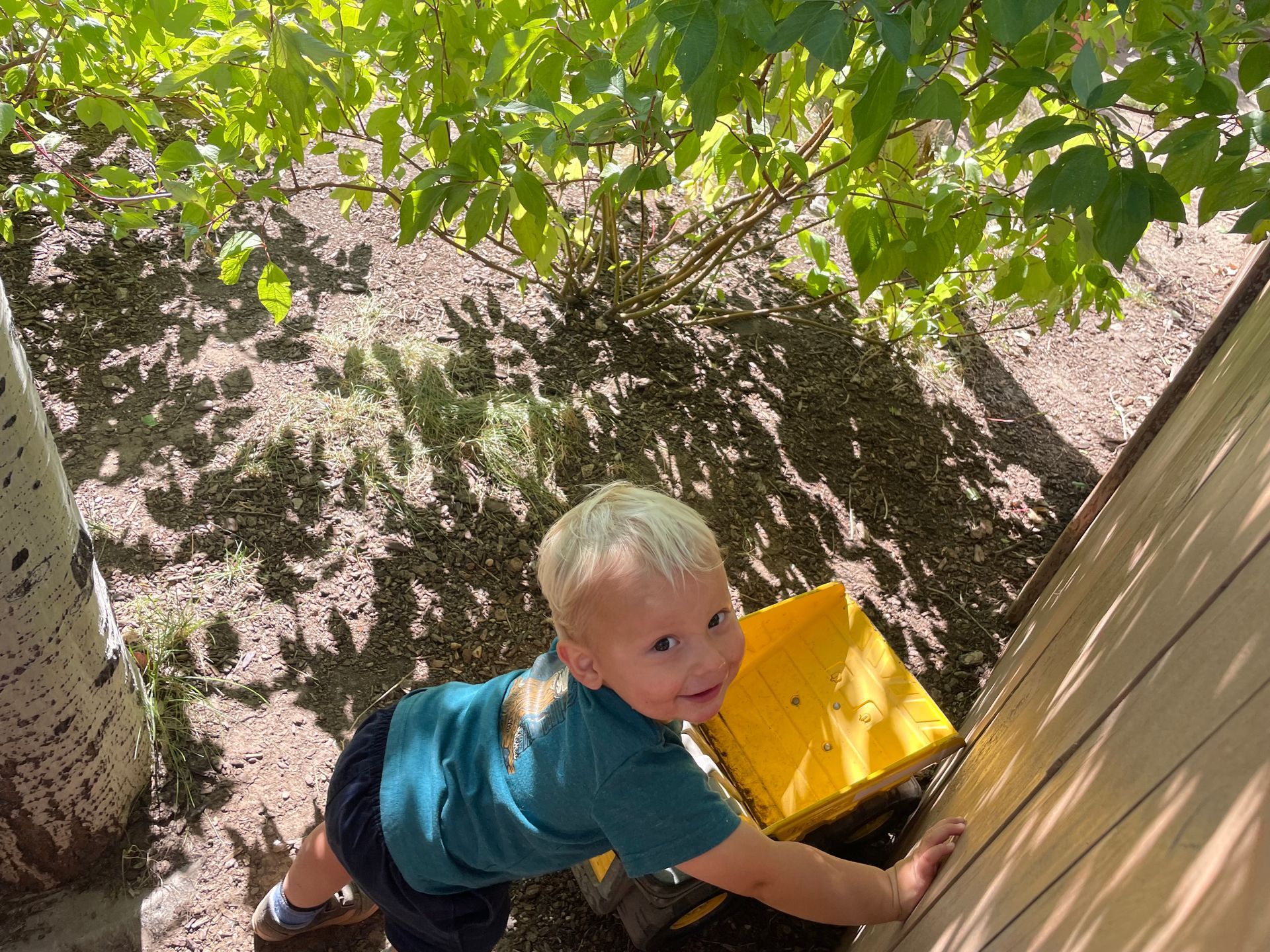
For children with high spirits and boundless energy, we provide activities involving big muscle groups. These "deep tissue" activities—like carrying heavy buckets of water or moving small furniture—help them find balance. As children work out their sense of body-in-space, movement activities are awesome tools for regulation. By learning to listen to these internal cues, children develop the physical autonomy necessary for any future athletic endeavor.
Personal Best vs. "Me First"
There is a vital distinction between athleticism and the cultural pressure of competition. In Montessori, we distinguish between team sports and the act of competing against oneself to find a "personal best." Competition can be a lot of fun, and when we focus on personal best,
the goal is mastery and self-satisfaction within a group dynamic. When the focus shifts to "me first" or putting ourselves over others, the joy of movement often gets lost in the anxiety of performance. As children become ready to work in teams, we emphasize that when the team wins, everybody wins. This collective mindset shifts the energy from tension and stress to support and shared celebration. It is a powerful contrast to the "win at all costs" mentality that can sometimes overshadow the joy of sports.
Modeling Grace and Courtesy
As parents, we are our children’s first coaches in the art of Grace and Courtesy. So as you head to the sidelines this spring, remember that your child is watching you to see how you handle what happens. When a referee makes a call we dislike, or the opposing team scores, it is an opportunity to practice the same self-regulation we ask of our children. Whether they become star athletes or find their "arena" in a laboratory or on a stage, they will carry with them the most important skill of all: the ability to move through the world with confidence, awareness, and respect for others, something the world could use a little more of these days.
Ideas for Home
When a child seems restless or "unplugged" from their body, Montessori teachers often turn to "Heavy Work." These activities provide "proprioceptive input," which helps organize the central nervous system. Try these at home this spring:
- Give your child a small wheelbarrow or a sturdy bucket. Have them move rocks, mulch, or even heavy toys from one side of the yard to the other.
- Let them push or pull the full laundry basket to the washing machine. The resistance against their muscles is incredibly grounding.
- If a child is feeling overwhelmed or "floppy," have them place their hands flat against a wall and "push" as hard as they can for ten seconds.
- Use a large scrub brush and a bucket of soapy water to clean outdoor furniture, stepping stools, garbage pails, or the kitchen floor. The repetitive, large-muscle movement is deeply satisfying for young children.