Our Montessori Bookshelf: Autism Awareness
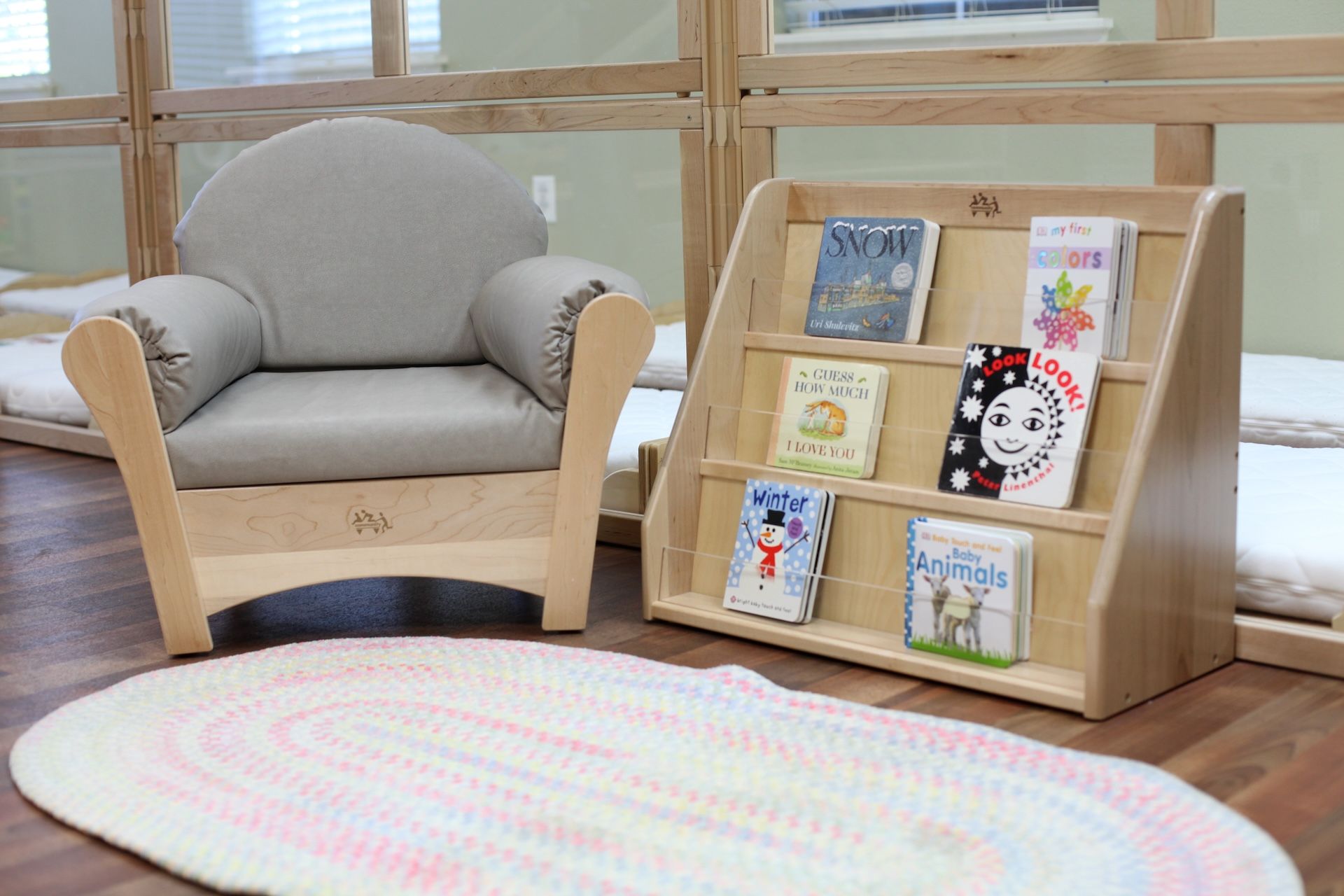
We are committed to building communities based on understanding, acceptance, and support. So, in honor of Autism Awareness Month, which is observed every April, we are sharing some of our favorite books with themes of understanding autism and appreciating neurodiversity.
We hope that in exploring these books together, you and your children can help dispel myths and misconceptions about autism, foster a more inclusive society, and recognize the unique strengths that neurodiverse individuals can offer.
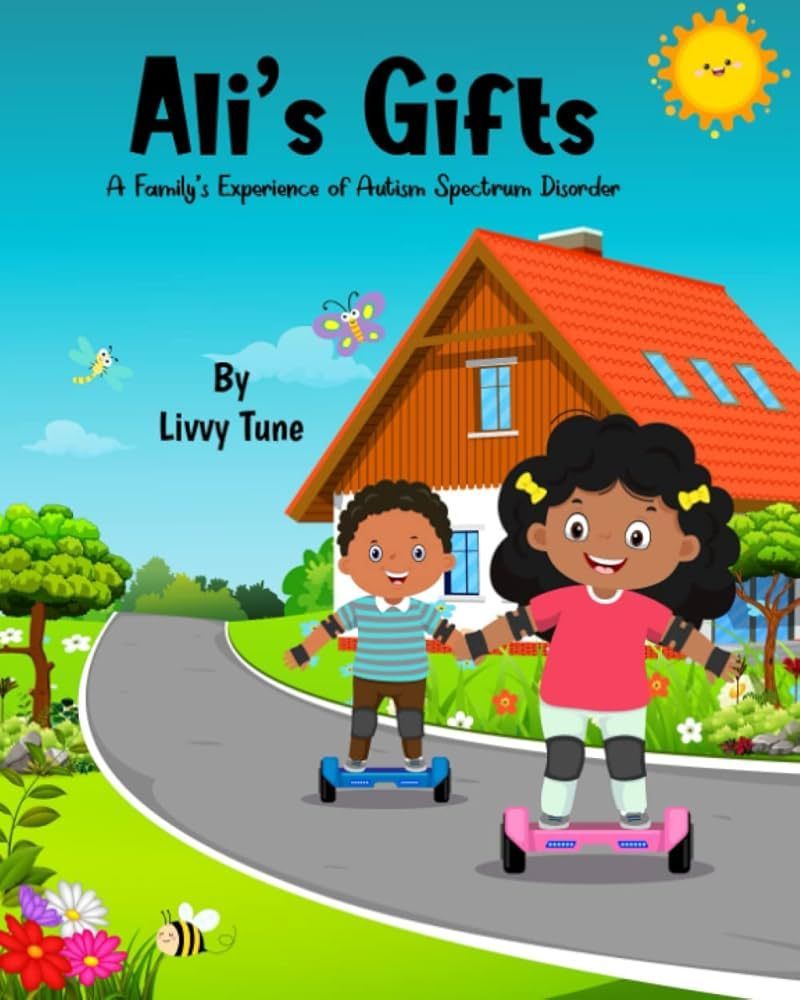
Ali's Gifts: A Family's Experience of Autism Spectrum Disorder
By Livvy Tune
Told from an older sister’s perspective, this story highlights the importance of a family focusing on how to understand a child’s experience of autism (rather than worrying about what other people think). The book provides a lovely journey from the initial upset of people asking, “What’s wrong with your brother?” to celebrating uniqueness.
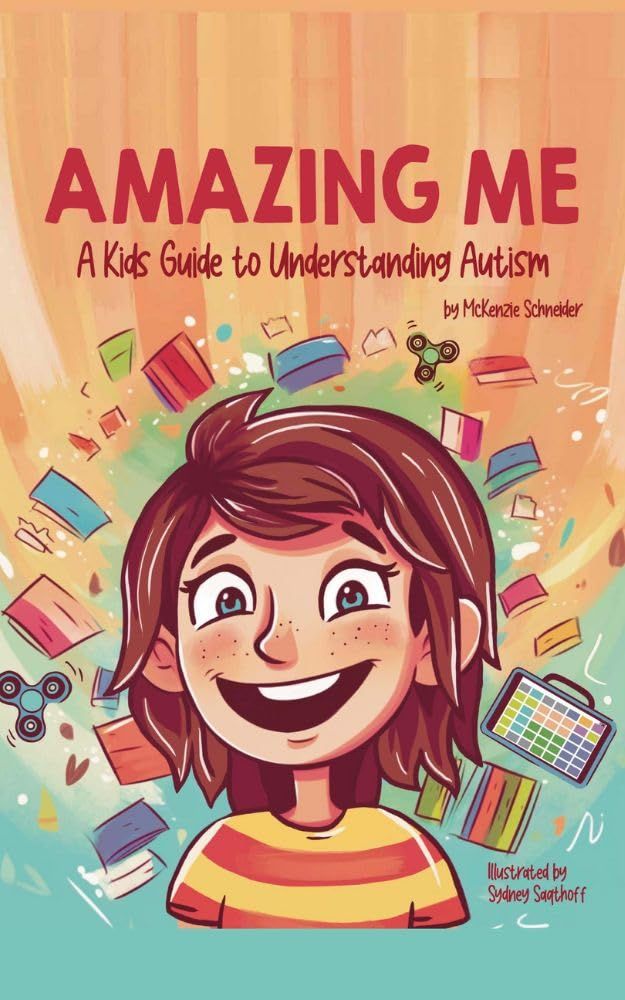
Amazing Me: A Kids Guide to Understanding Autism
By McKenzie Schneider, Illustrated by Sydney Saathoff
This book can be a good resource for a younger elementary-age child who is just learning about what it means to be a person with autism. The clear descriptions and examples of what autism means for the main character, Alex (who can be seen as either a boy or girl, depending upon the reader’s perspective), can also serve as a helpful reference for if and when issues arise (e.g. making friends, sensory overwhelm, etc.) and also for celebrating strengths!
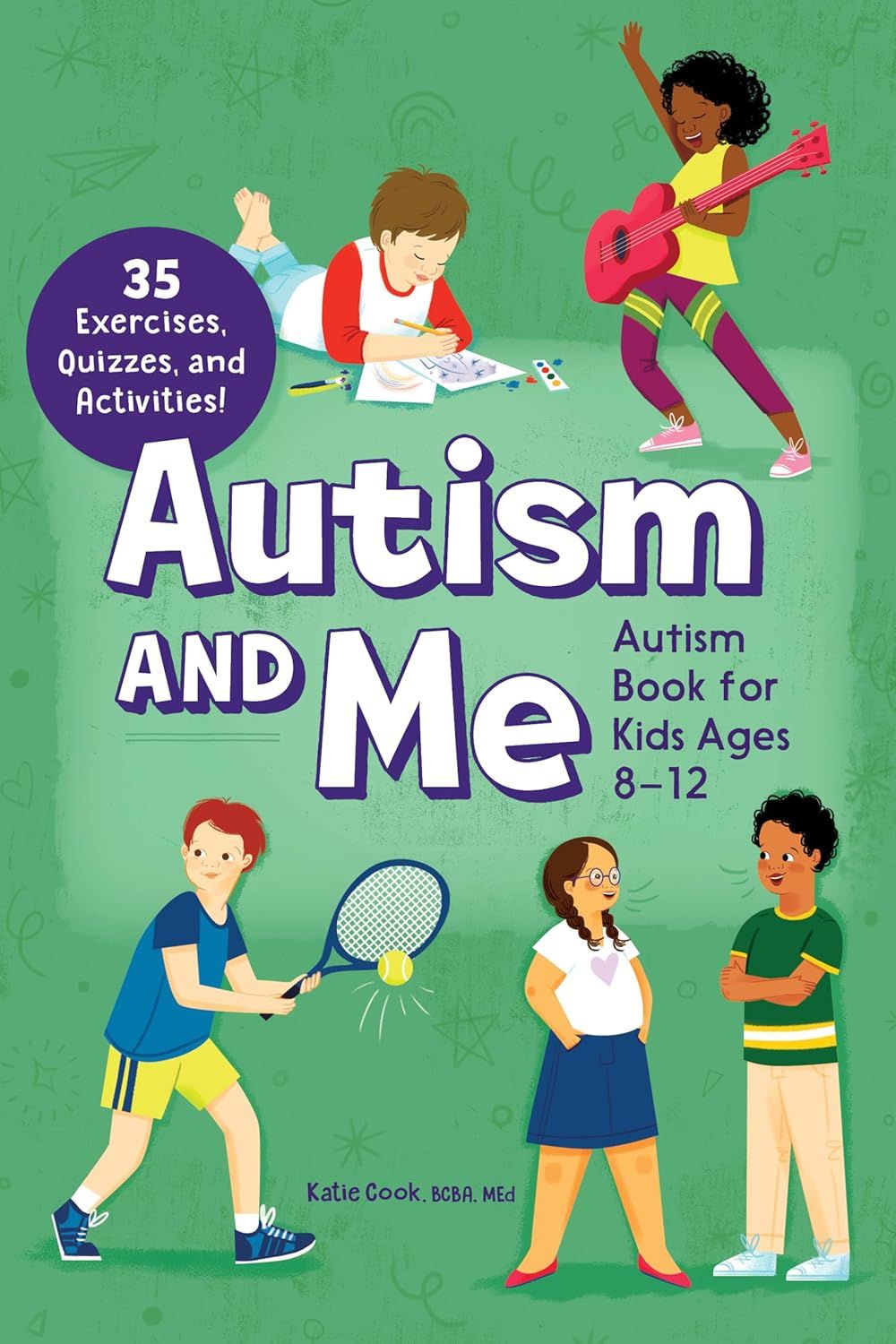
Autism and Me: An Empowering Guide with 35 Exercises, Quizzes, and Activities!
By Katie Cook
When older children are ready to learn more about autism (either as someone who has autism or as someone who wants to be supportive), this is a great go-to guide. Full of real-life examples, interactive activities, and easily digestible information, this is a must-have positive and empowering resource. The book is mostly text, with a few illustrations and decorative elements woven in.
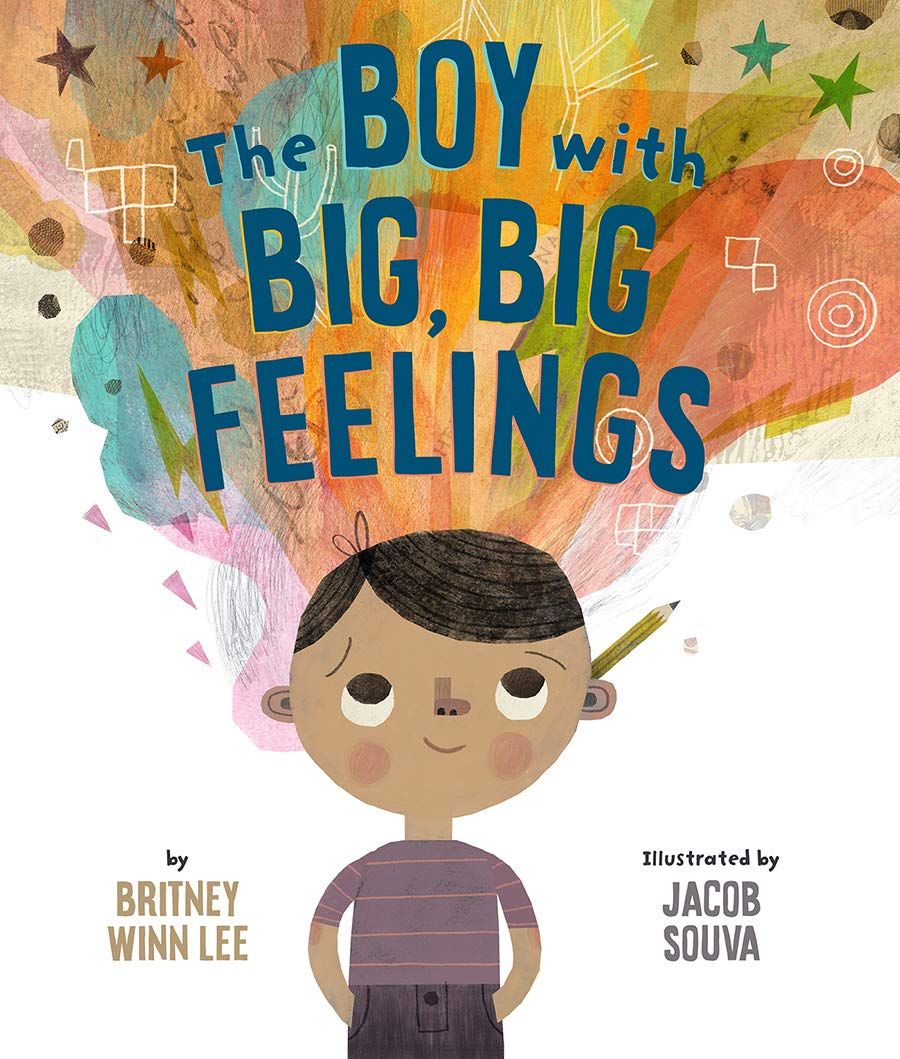
The Boy with Big, Big Feelings
By Britney Winn Lee, Illustrated by Jacob Souva
Written in rhyme, this picture book shows how some children might feel things more intensely. A boy’s emotions are illustrated in colorful swaths coming out of him in different situations. Eventually, by connecting with a girl who also has big feelings, the boy feels more secure about expressing his emotions, which helps others, too. Although not specifically about autism, this story can be a way to explore sensory sensitivities and big reactions to seemingly small issues.
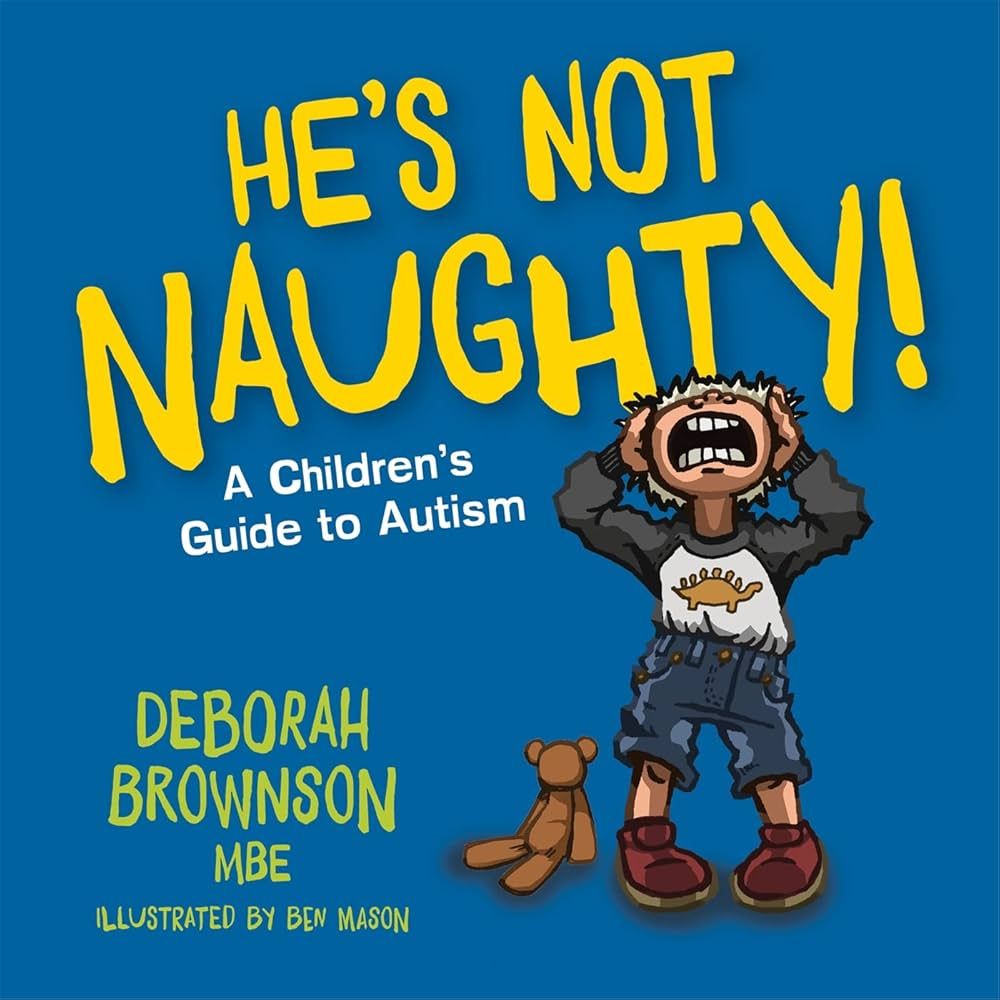
He’s Not Naughty! A Children’s Guide to Autism
By Deborah Brownson, Illustrated by Ben Mason
This is a good resource for elementary-aged children who want to better understand autism. The pages are filled with text that feels handwritten and bold images that help make the point. Although the book feels like a stream of conscious sharing about autism, it actually starts with a table of contents, which can be helpful for referencing particular aspects of ASD (like making friends, smells, or routines). At first glance, the book feels overwhelming, but it can serve as a helpful reference for children with autism and their friends and family.
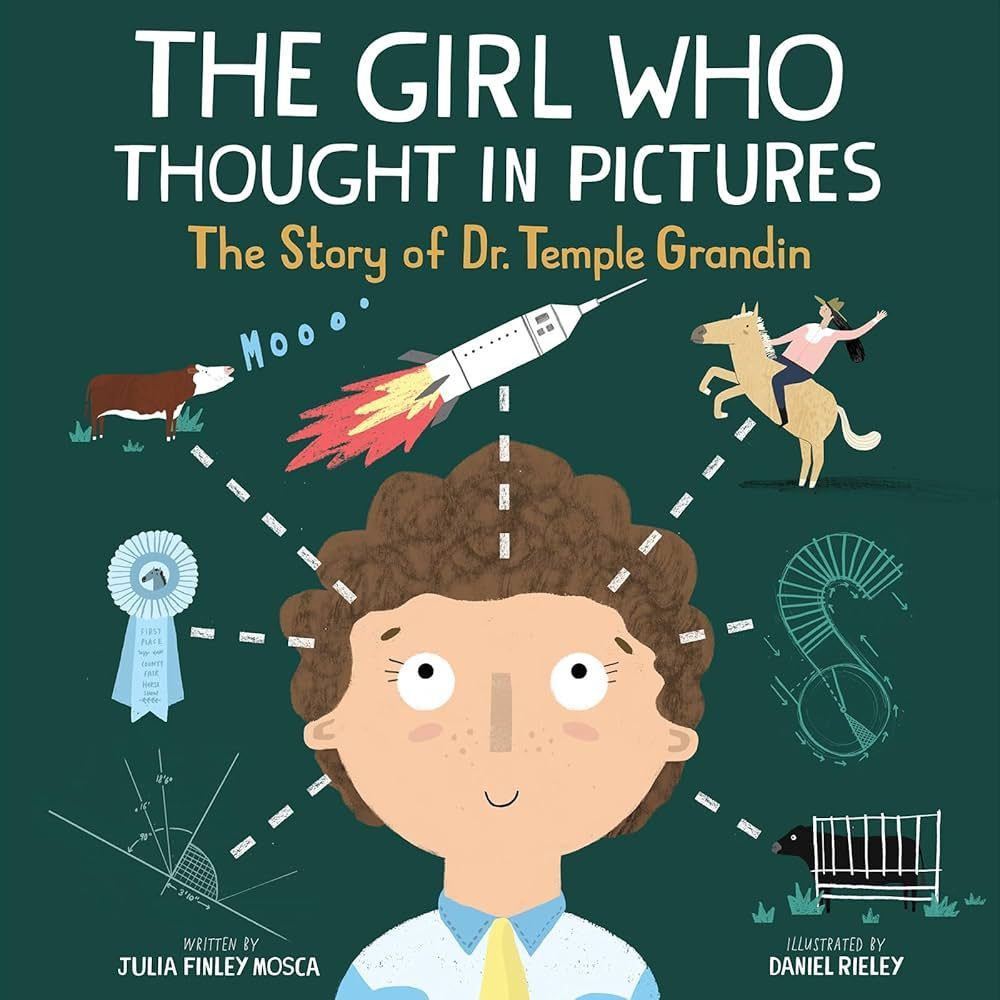
The Girl Who Thought in Pictures: The Story of Dr. Temple Grandin
By Julia Finley Mosca, Illustrated by Daniel Rieley
Told in rhyming verses, this true story chronicles the life of a girl who was diagnosed with autism, struggled at school, but then who (thanks to supportive, understanding adults) went on to not only achieve incredible academic success but also to revolutionize how farms could be more compassionately designed for animals. The end of the book includes a note from Temple Grandin, tidbits and fun facts from the author’s interview with her, a well-designed timeline of Temple Grandin’s life, a thorough written overview of her life, and resources for further information.
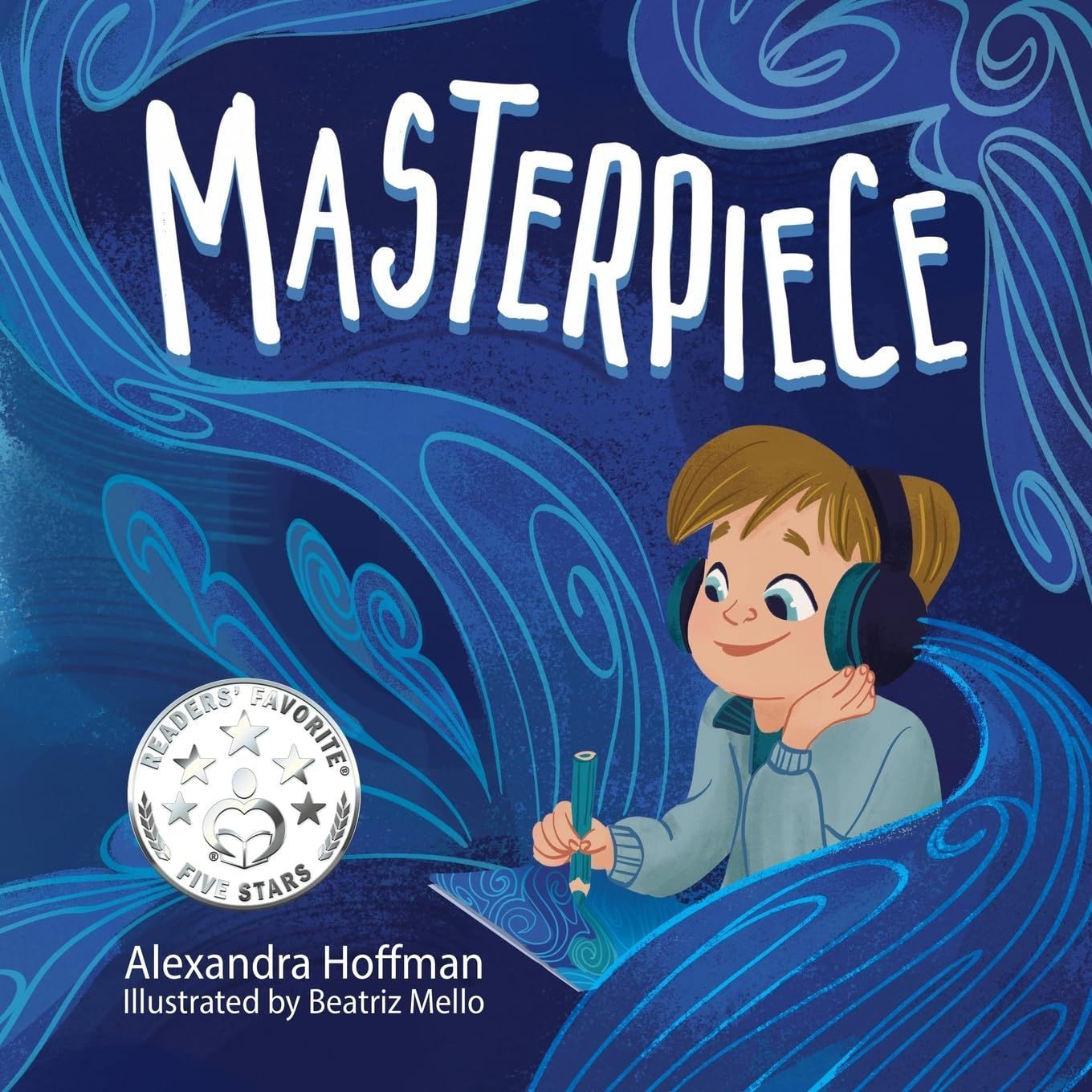
By Alexandra Hoffman, Illustrated by Beatriz Mello
Samuel, the main character, is obsessed with blue and creates a picture with all the shades of blue for a class project. The gift of this book isn’t necessarily the storyline or illustrations, though. Rather it masterfully tells a simple story that normalizes being a person with autism. From arm flapping, to wearing headphones, to needing the teacher to quietly connect about expectations, Samuel’s uniqueness is just gently woven into what the reader experiences.
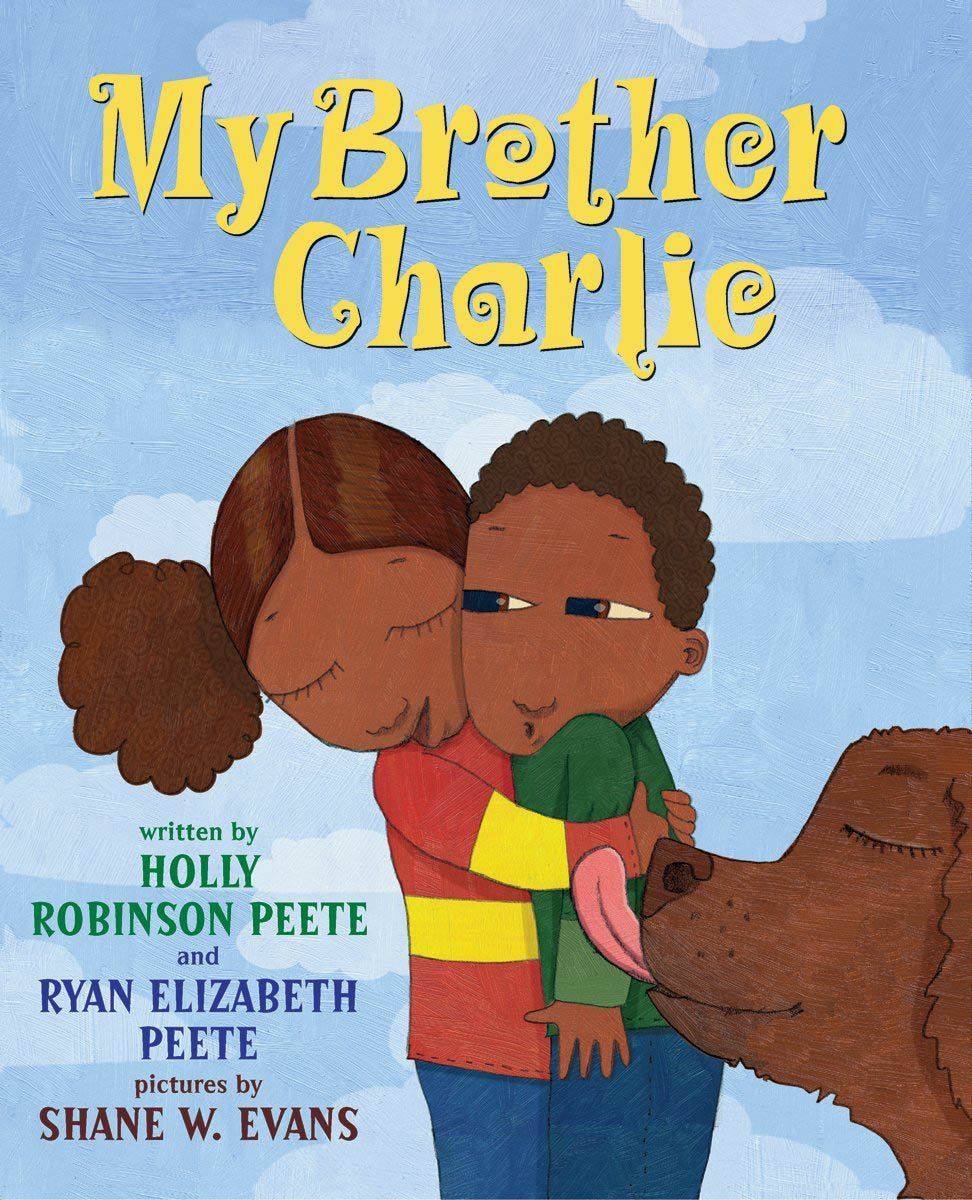
By Holly Robinson Pete and Ryan Elizabeth Pete, Illustrated by Shane W. Evans
This sweet, simple, and profound picture book is a must-have. The narrator tells her story and experience of her twin brother having autism. This true story is both instructive and heartwarming and includes a lovely explanation at the end about how to be supportive of those with autism.
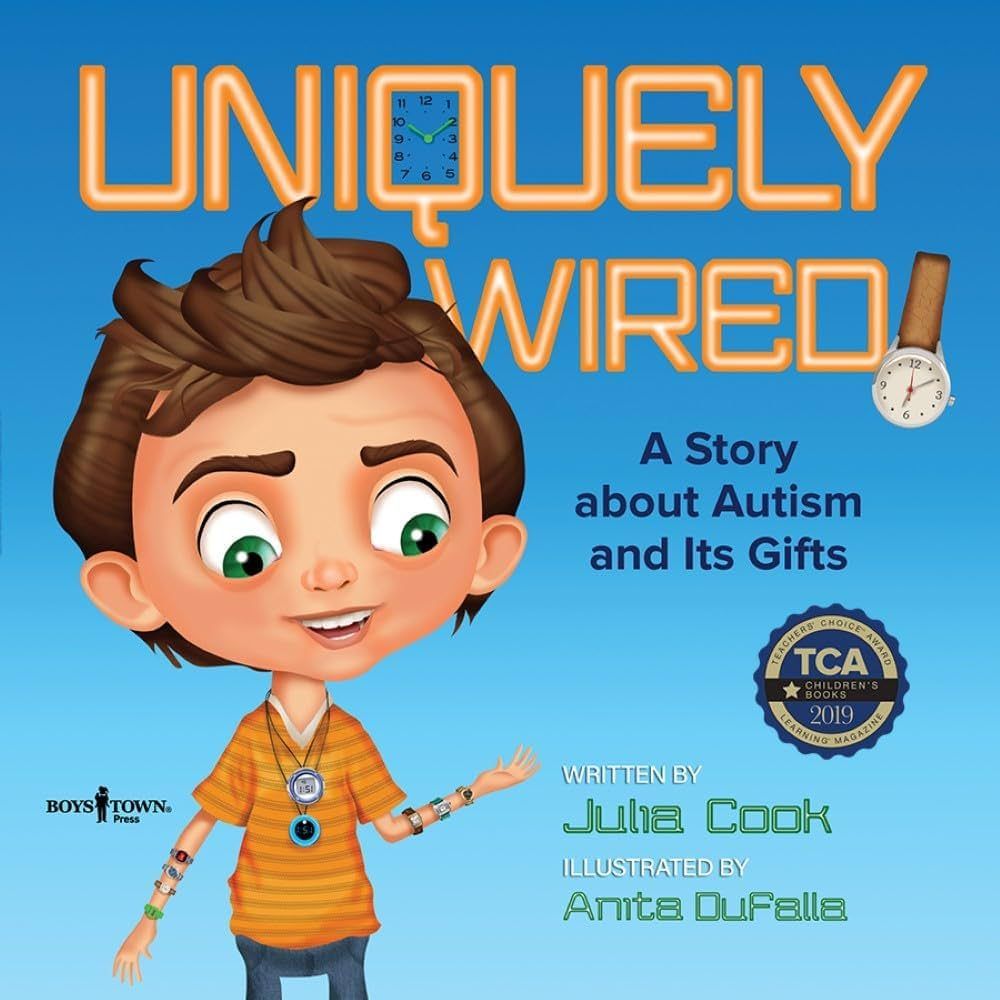
Uniquely Wired: A Story about Autism and Its Gifts
By Julia Cook, Illustrated by Anita DuFalla
Although slightly visually busy, this picture book really conveys the experience of living with autism. A young boy shares his unique perspective on the world and gives easily digestible explanations for behaviors that can seem off-putting at times.
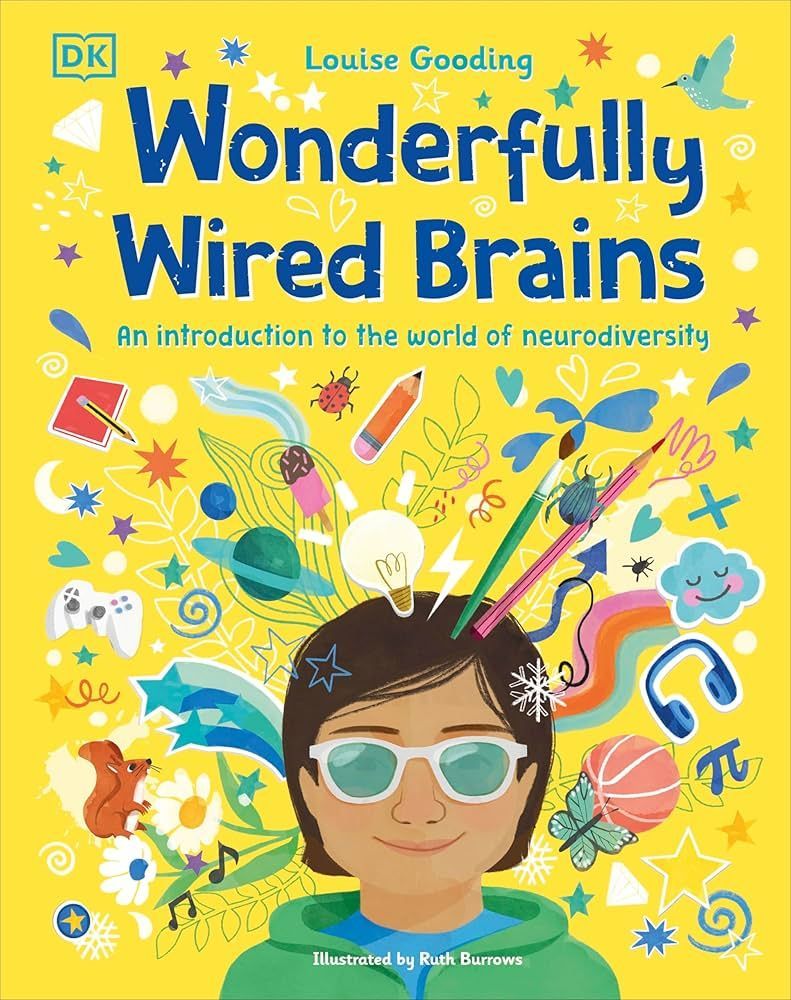
Wonderfully Wired Brains: An Introduction to the World of Neurodiversity
By Louise Gooding, Illustrated by Ruth Burrows
This is a super cool resource for children during their elementary years, as it answers all the questions about how our brains work and how brains can work in different ways! It’s easy to flip through and find fascinating facts or to use the table of contents to hone in on a particular form of neurodiversity. The book is rich in content but also very easily digestible, with small chunks of text and colorful graphics and illustrations.
We hope you enjoy these books as much as we have! Here is a printable copy of the list of books. We also would love to have you come to the school for a tour. Contact us to set up a visit!