Montessori Myths: Balancing Teacher Guidance & Exploration
October 20, 2025

A common misconception about Montessori education is that it is entirely child-led. This couldn’t be further from the truth! Certainly, children feel like they are in the driver’s seat of their education, and that’s by design. Behind the scenes, Montessori-trained teachers are skillfully guiding children through carefully sequenced lessons, ensuring they encounter and master all of the subject areas, strands, and standards they need.


The true gift of Montessori education is that it blends the best of two worlds: direct instruction and hands-on learning. Direct instruction means children receive explicit, structured, teacher-led lessons focused on clear objectives and skill mastery. Hands-on learning, on the other hand, is where children engage deeply with materials and ideas, learning concepts through direct experience rather than passive absorption. This dual approach is always tailored to the needs and readiness of each child. In a way, it’s as if every child has their own individualized education plan and one that is seamlessly built into the Montessori model.


The Power of Hands-On Learning


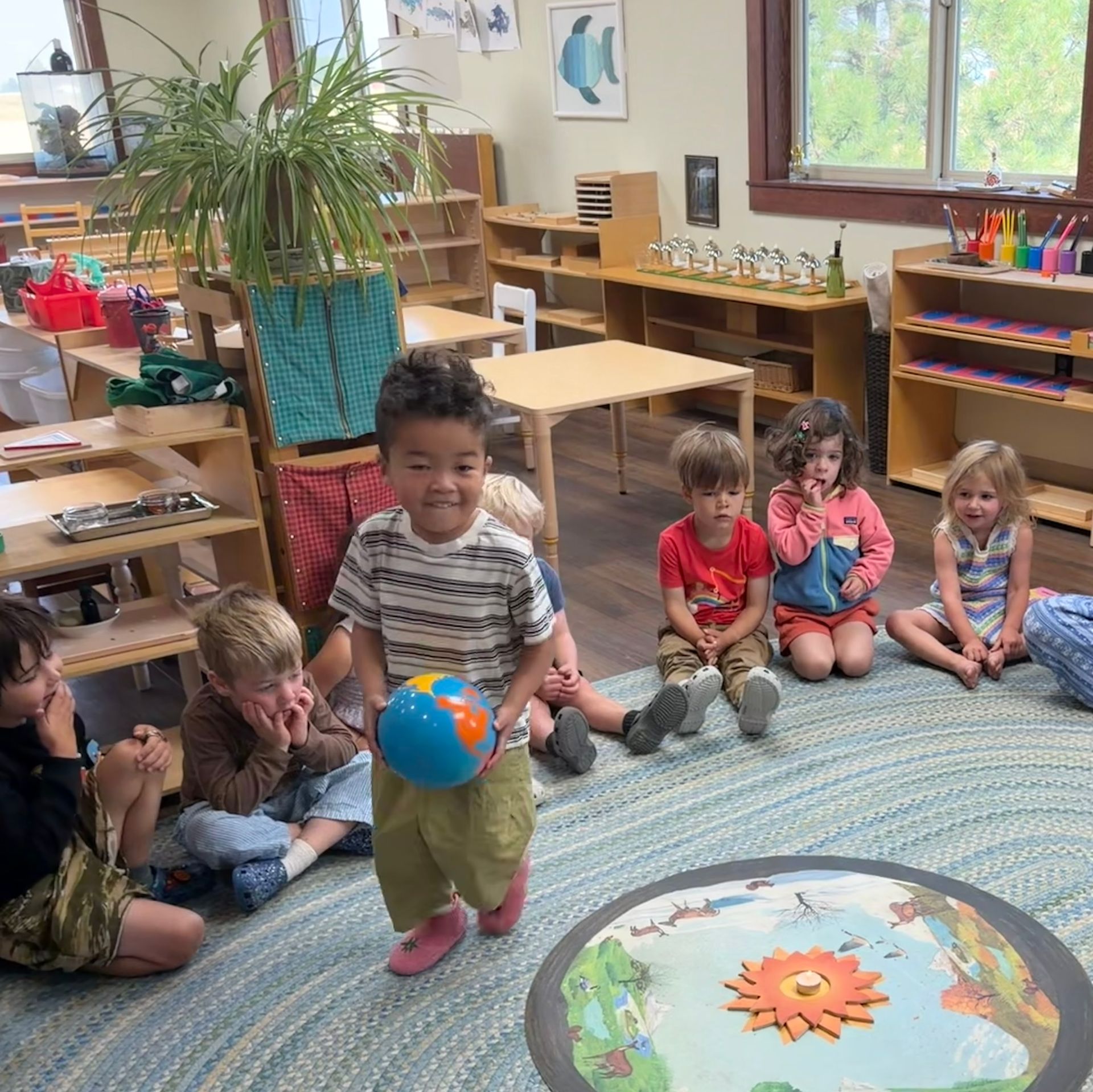
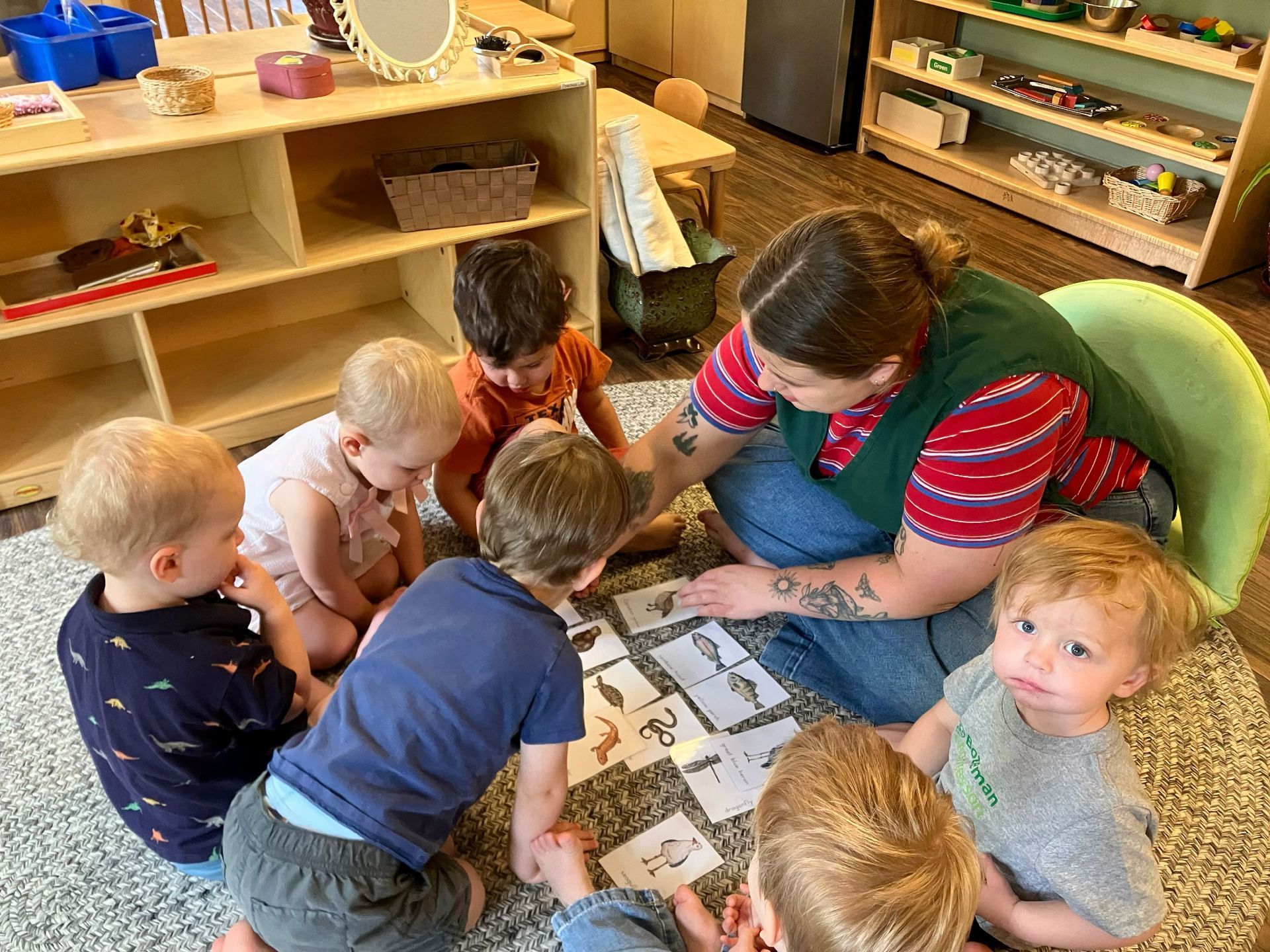
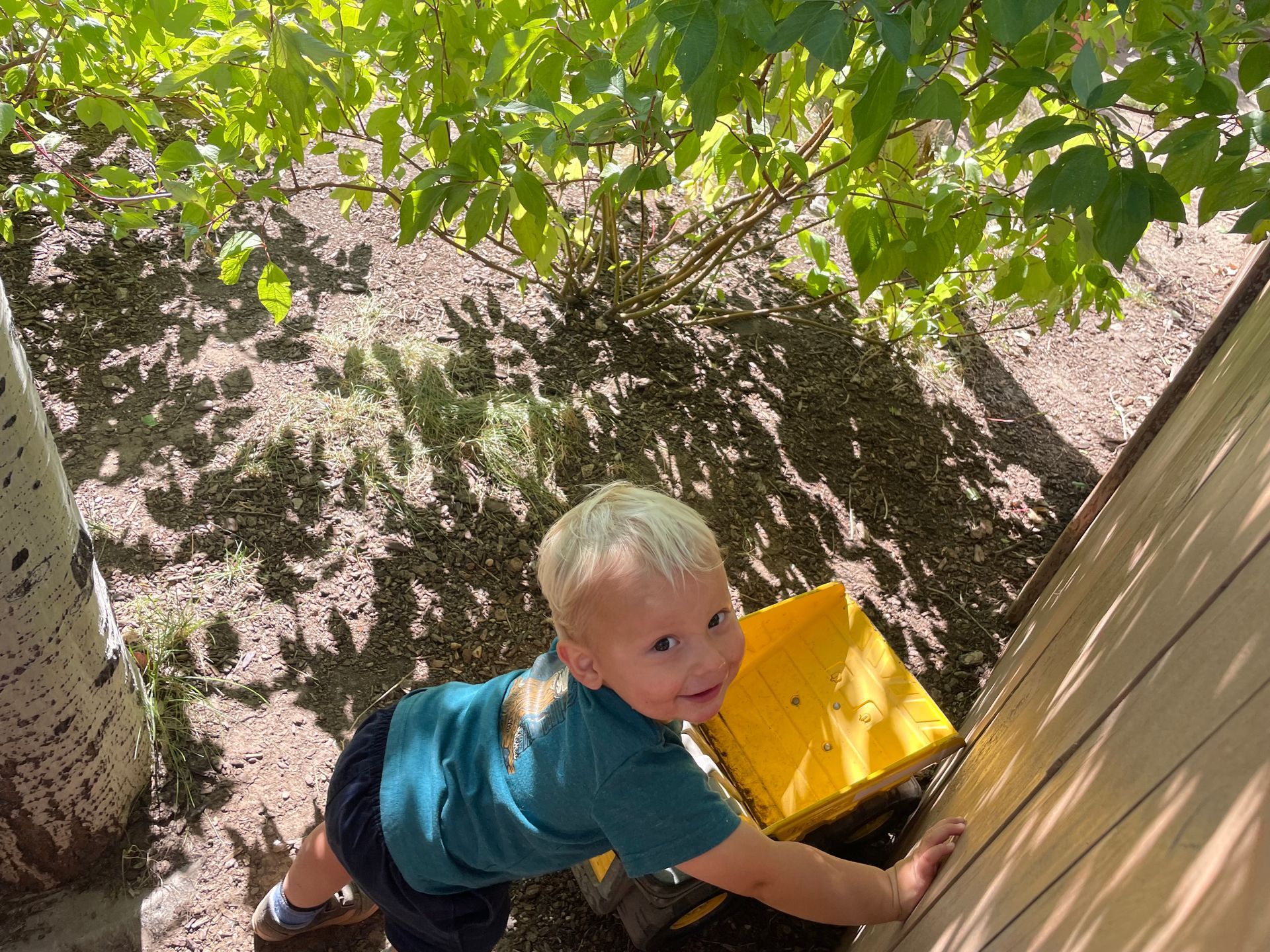
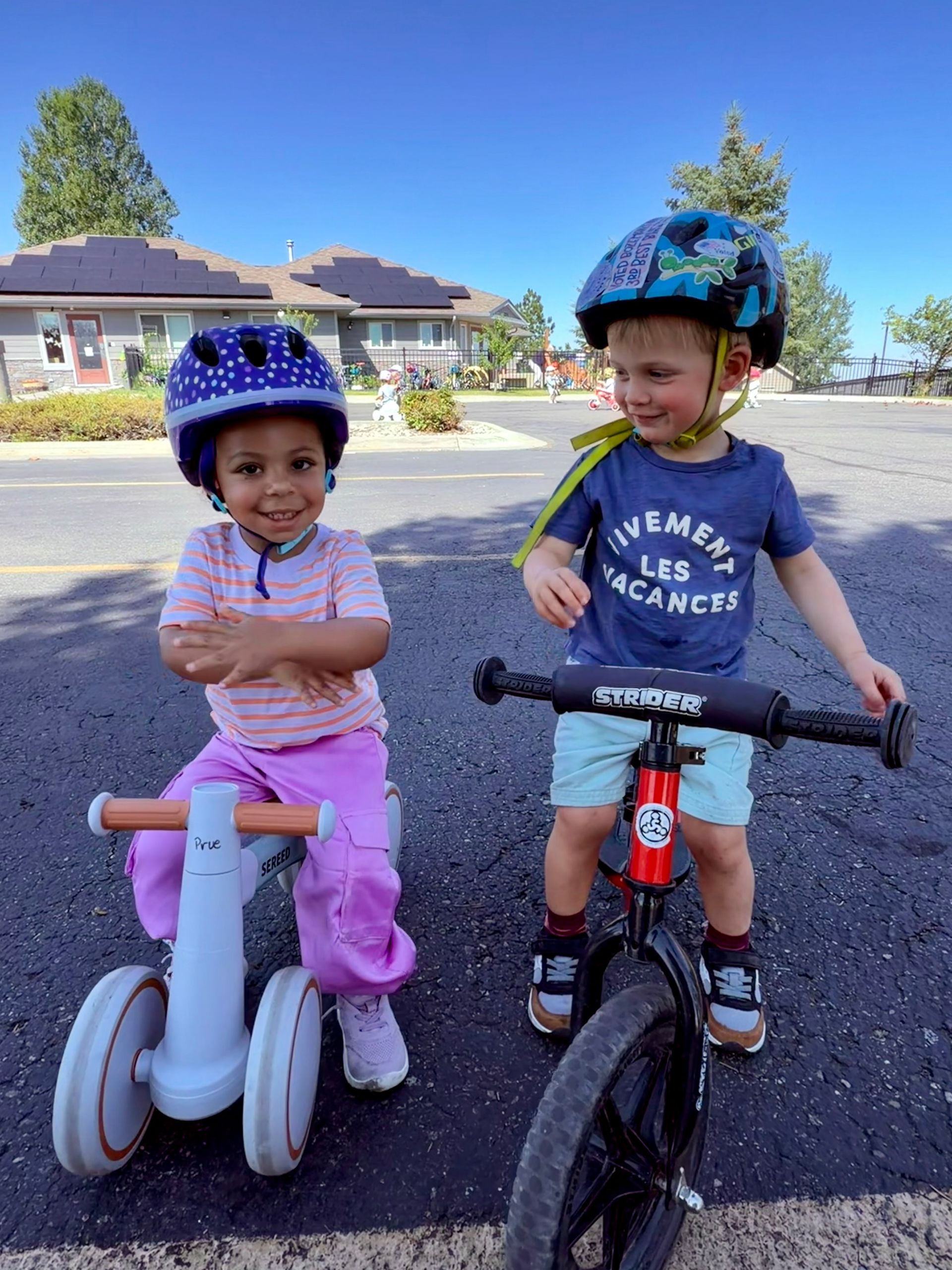
Montessori classrooms are alive with opportunities for children to learn by doing. Instead of simply listening to a teacher or reading about an idea, children are actively engaged with beautiful materials that invite exploration. They pour, build, count, measure, and experiment, discovering concepts in a way that feels natural and meaningful. Learning is not abstract. It is concrete, tactile, and rooted in experience.


This approach has profound benefits. Children who learn through active engagement develop a deeper understanding because their brains are making strong connections between what they see, touch, and do. They also grow as problem-solvers because they are encouraged to try, adjust, and try again when faced with challenges. The process itself is motivating, which means children stay engaged and joyful in their work. Along the way, they also pick up practical skills they can use in daily life, as well as social skills, due to many of the activities naturally fostering collaboration and cooperation. Because children are learning through experience, the knowledge they gain tends to stick with them, building a lasting foundation.


The Role of Direct Instruction


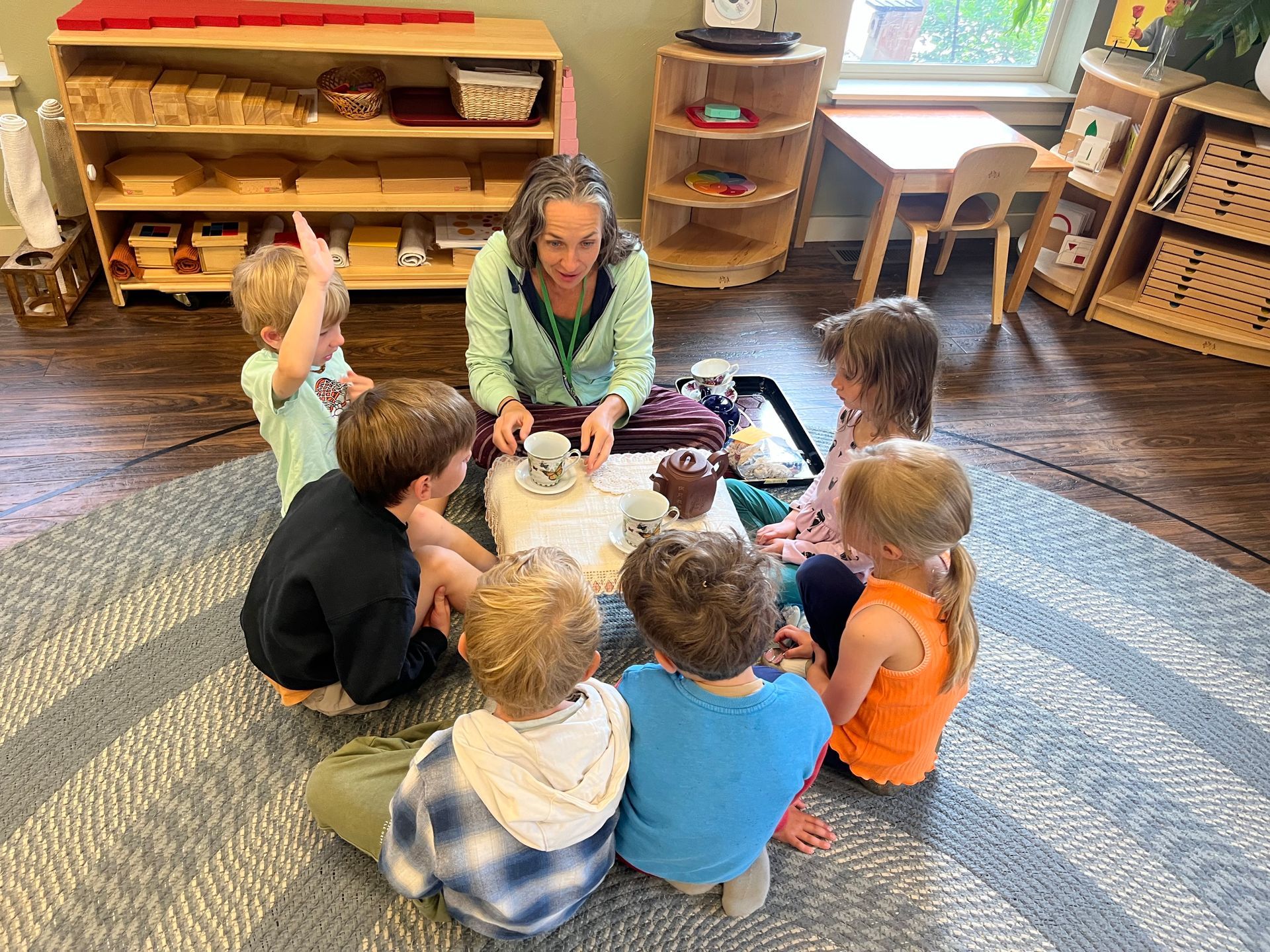
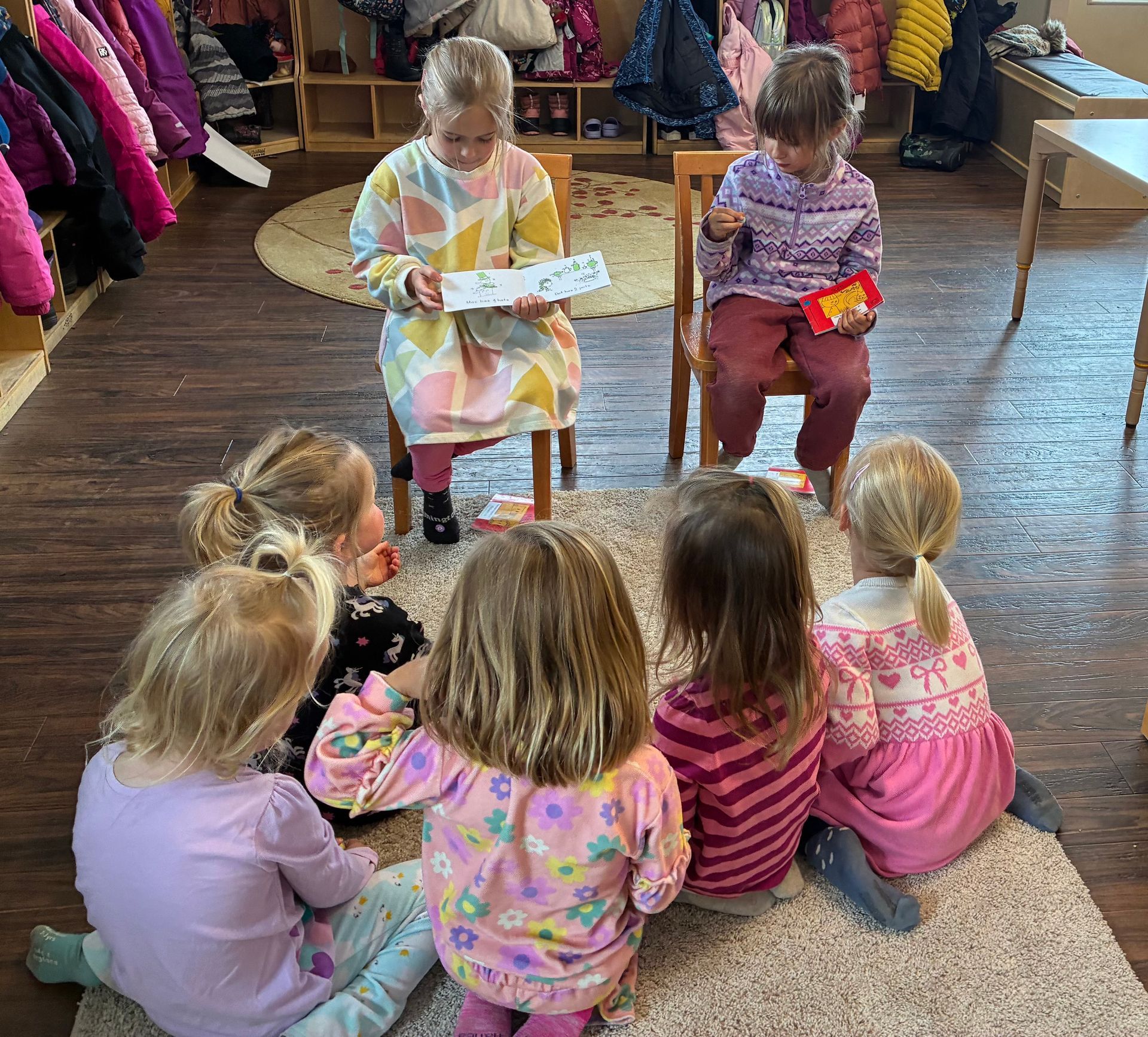
At the same time, Montessori teachers provide an essential framework through carefully designed lessons. This is not free-for-all learning. Rather, it is a highly structured and intentional process. Teachers give clear, step-by-step presentations that introduce new concepts or skills. These lessons are sequenced in a logical and developmental order, ensuring that children build on what they already know and are ready for what comes next. Even better, these lessons are given one-on-one or to small groups, so the lessons can be tailored to individual children’s learning needs and styles.


During these lessons, children first practice with the teacher’s guidance and support, which allows for immediate feedback and correction. Then, as they gain confidence, they continue working independently, applying what they’ve learned in their own time and in their own way. This direct instruction is especially valuable when children are new to a subject or skill. It provides clarity, reduces confusion, and builds confidence. Over time, the structured approach helps children achieve true mastery and ensures they are well-prepared for more advanced work.


Montessori: The Best of Both Worlds


What makes Montessori unique is the seamless blend of these two approaches. A child might receive a beautifully clear lesson on a new math concept one day and then spend the rest of the week exploring, practicing, and applying that concept with hands-on materials. Teachers provide the roadmap, and then children are given the freedom to travel the path at their own pace, in a way that feels meaningful to them.


This balance allows children to feel ownership of their learning while also benefiting from the expertise and intentionality of their teachers. The result is an education that is joyful, engaging, and deeply effective. Montessori children grow into curious, capable, and confident learners who know both the satisfaction of discovery and the security of guidance.


Montessori education offers the best of both worlds: clear guidance and joyful discovery. See for yourself how this balance supports children’s growth and confidence. Contact us to schedule a tour here at Bozeman Montessori.
montessori children with guide in tea lesson
June 26, 2026
We’re opening our doors for a special campus tour and we'd love for you to join us!
Three young children sitting on a couch, smiling in a bright indoor room.
June 15, 2026
Connect the Montessori classroom to nature. Discover how exploring Montana’s rivers helps young children develop spatial awareness and environmental respect.
Two children kneel on a classroom rug behind a colorful block maze on the floor.
June 1, 2026
In the Montessori tradition, we talk a lot about "following the child." Sometimes people mistake this for letting a child do whatever they want. But as those of us who have been in the trenches know, following the child actually means observing them through developmental periods so thoughtfully that we understand what they need before they even have the words for it. When it comes to mental health, this observation is our greatest tool, as it helps us prepare. Mental health in childhood includes resilience, the security of belonging, and the development of an "inner voice" that tells a child they are capable, eventually serving as their source of internal guidance. Supporting this development requires us adults to shift from being managers of their behavior to loving guardians of their emotional environment. The Foundation: Safety and Routine For children in the first plane of development (birth to age 6), the groundwork for mental health is laid through warm, secure relationships. In Montessori terms, this is the "prepared environment” of connection. We often say that children need consistency like they need air. We provide stability through routine—not a rigid schedule, but a predictable rhythm. When a child knows what comes next, their nervous system relaxes. Simple acts like involving them in everyday moments—letting them slice a banana or fold washcloths—give them a sense of agency. A child who contributes to the world around them is a child who feels capable and valued. This sense of "I can do it" is important, and sometimes we just have to get out of the way. The Elementary Years: The Why and the Who As children move into the second plane of development (ages 6–12), their mental health needs shift toward social belonging and moral understanding. This is the age of "Why?" and "That’s not fair!" At this stage, adults can check in on their feelings through everyday events. Did they get into a fight with their friend? Don’t rush to fix the sadness. Instead, sit with them in it. We can support their mental health by giving them the tools to solve their own social problems. Ask, "What do you think would help you feel better?" rather than handing them the solution. This builds the self-efficacy that helps buffer against anxiety and depression later in life. Learning the Hard Way Mental health isn't about avoiding the scary or hard things that come with growing up; it's about making sure your child never has to face them alone. It’s about cuddles, and hugs, and playing with your kids. It’s about recognizing that a tantrum isn't an attack on your parenting—it’s a child whose inner "prepared environment" has temporarily collapsed, and they need you to help them rebuild it. The Parent’s Work (The Inner Preparation) In Montessori, the "prepared adult" must do their own inner work to best be able to guide a child. Parenting can feel messy, and it rarely looks like the peaceful, perfectly-balanced life we might have imagined. Here is how to keep your own foundation solid: Honoring the "Gap": Make peace with the fact that your reality may not match your expectations. There will be days when you are not the “calm, cool and collected“ model you want to be. Forgive yourself. Your children don’t need a perfect parent; they need a regulated one who can apologize when they mess up and move forward. Mindful Co-Parenting: Whether you live in the same house or two, communication between co-parents must be clear and boundary-honoring. Children are emotional barometers; they feel the pressure of unspoken conflict. Aim for "functional transparency"—share the necessary information about the child’s needs without using the child as a messenger. Self-Care is Not a Luxury: You cannot pour from an empty vessel. In the Montessori classroom, a tired, burnt-out adult is not the example we want to set, nor is it an effective one. Taking ten minutes for a quiet tea or a solo walk isn't "ignoring" your kids; it’s calibrating your instrument so you can be the calm center they need. Boundaries as Love: Setting a boundary for yourself ("I need 5 minutes of quiet before I can help with that") teaches your child that you are a human with needs. This honors your humanity and models for them how to protect their own mental health in the future.
Children sit in a circle around a teacher at a table, sharing a small activity in a classroom.
May 18, 2026
Overbooking your child's summer? Learn why unstructured downtime and embracing a little boredom are vital for nurturing your child's creativity.
Montessori child working in the classroom
May 18, 2026
We’re opening our doors for a special campus tour and we'd love for you to join us! 
May 4, 2026
Discover how Montessori education champions character development, physical autonomy, and personal best over the cultural pressure of competition.
A child with hair in small buns sits at a wooden table, painting on a sheet of paper with a small brush.
April 27, 2026
Discover how peer learning, meaningful context, adult interaction, and order align Montessori with the science of how children learn best.
Two children hang pieces of fabric on a wooden drying rack inside a classroom.
April 20, 2026
Does Montessori work? Explore the research behind movement, choice, interest, and intrinsic motivation in Montessori: The Science Behind the Genius.
April 16, 2026
Saturday, April 25th, 9:00 am - Noon Bozeman Montessori South Campus: 233 Enterprise Blvd, Bozeman, MT 59718 Bozeman Montessori North Campus: 3774 Equestrian Lane, Bozeman, MT 59718
An adult in a green trench coat holds hands with a child wearing a pink jacket, walking together in an outdoor area.
April 13, 2026
When we lose our cool, repair matters most. Explore accountability, curiosity, and connection to break reactive cycles and parent with intention.
Show More